Call the 24/7 ScamShield Helpline at 1799 if you are unsure if something is a scam.
HTML
HTML
HTML
 Back
Green Initiatives
Singapore’s commitment to climate action is reshaping its economy, society and future. Across public and private sectors, initiatives to strengthen shared resilience are reducing carbon emissions and protecting the city against a changing climate.
Discover our partnerships and projects across Mitigation, Adaptation & Resilience, Green Economy and Sustainable Finance.
Solar Panel Deployment
Solar is Singapore’s most viable domestic renewable energy source. By the end of 2025, we had achieved our 2030 target of deploying at least 2 gigawatt-peak (GWp) of solar installed capacity, ahead of schedule. Singapore will accelerate solar deployment to meet our increased target of 3 GWp by 2030.
To maximise solar deployment where feasible within the space constraints of our urban environment, Singapore is exploring innovative solar deployments such as on water bodies, temporary vacant land and building facades beyond conventional rooftop solar.
For example, Singapore deployed a large-scale 60 megawatt-peak (MWp) inland floating solar photovoltaic (PV) system at Tengeh Reservoir in 2021. Singapore is also piloting overhang solar PV systems over open spaces between buildings to boost solar deployment in industrial estates.
The Singapore Government encourages greater solar adoption by addressing regulatory barriers to and streamlining processes for solar panel deployment. Support is also provided, such as through the Green Mark scheme, for improved energy performance of buildings, including using solar energy to offset energy consumption.
Find out more here.
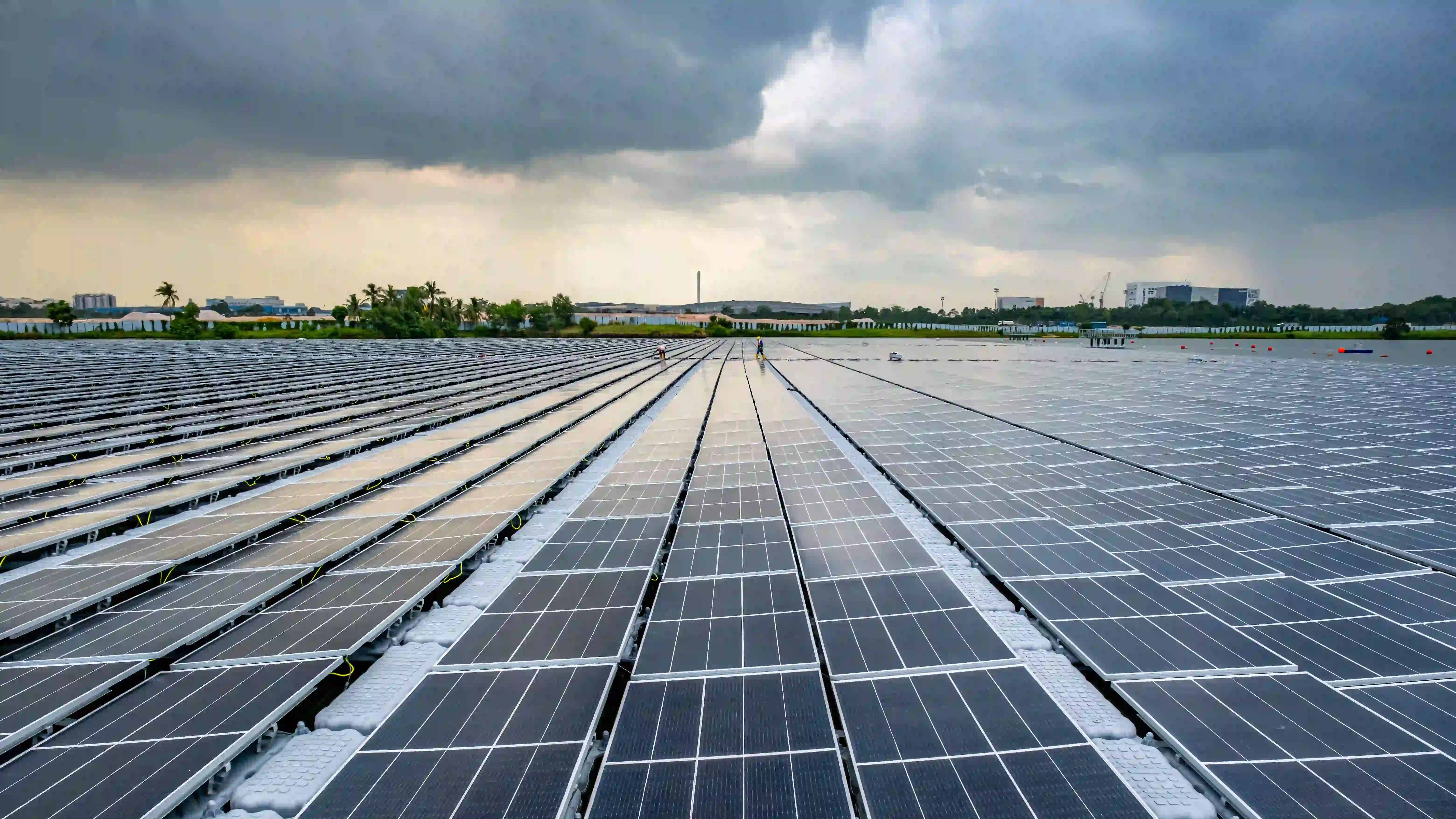
JTC’s modular SolarLand maximises temporary vacant land and can be redeployed when needed
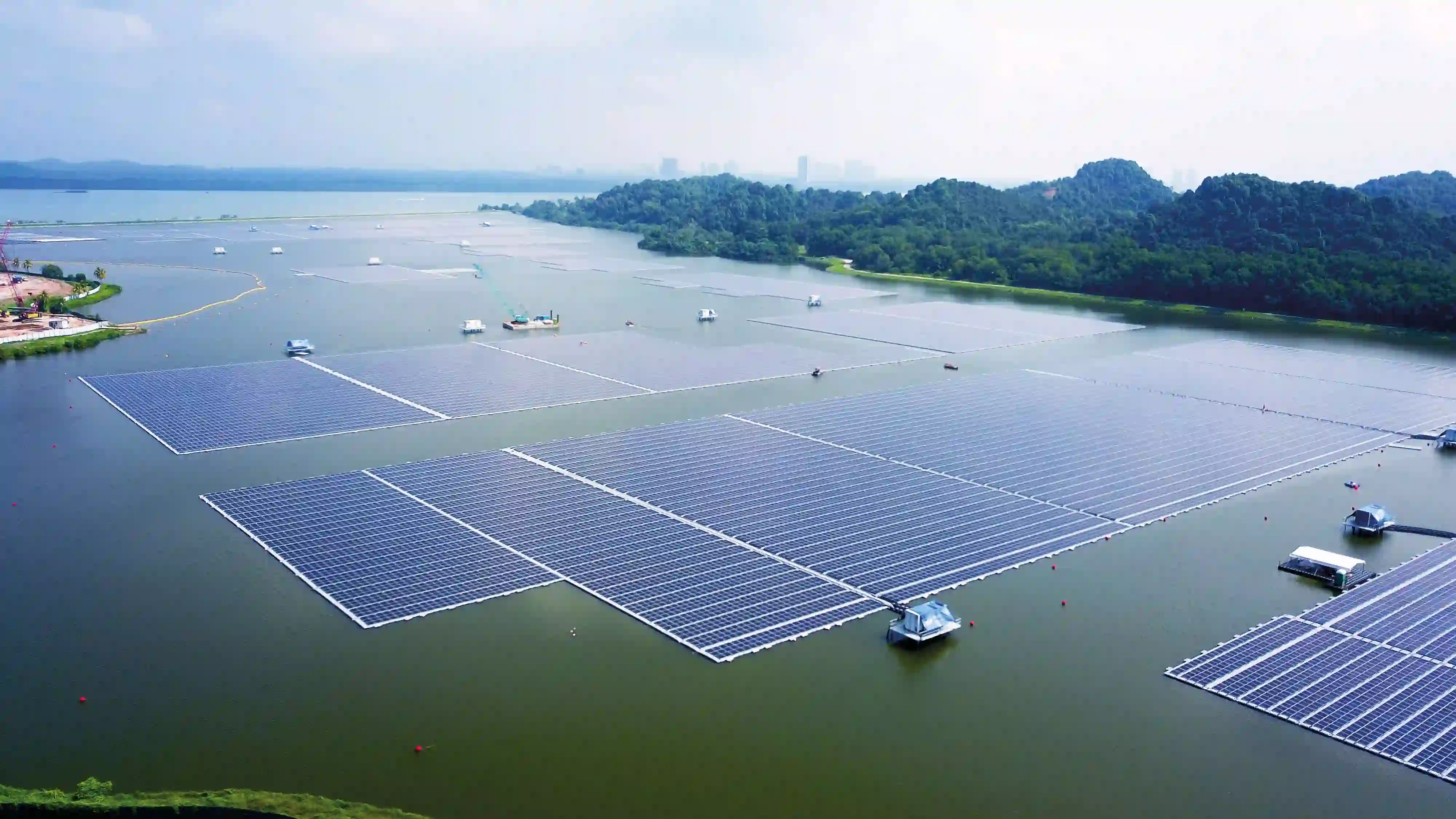
Sembcorp Tengeh Floating Solar Farm, one of the world’s largest inland floating solar farms at 45ha
Low-Carbon Electricity Imports
A key decarbonisation pathway for Singapore is to import low-carbon electricity from the region. This supports the ASEAN Power Grid vision and advances our shared regional goals of energy resilience, sustainability and economic growth.
To date, Singapore has awarded Conditional Approvals to 13 projects to import low-carbon electricity from Australia, Cambodia, Malaysia, Indonesia and Vietnam. Six of these projects from Indonesia have advanced to Conditional Licences, signifying that they are technically and commercially viable and at an advanced stage of development.
Singapore will continue to facilitate projects that are credible, competitive and able to secure the necessary approvals from relevant countries.
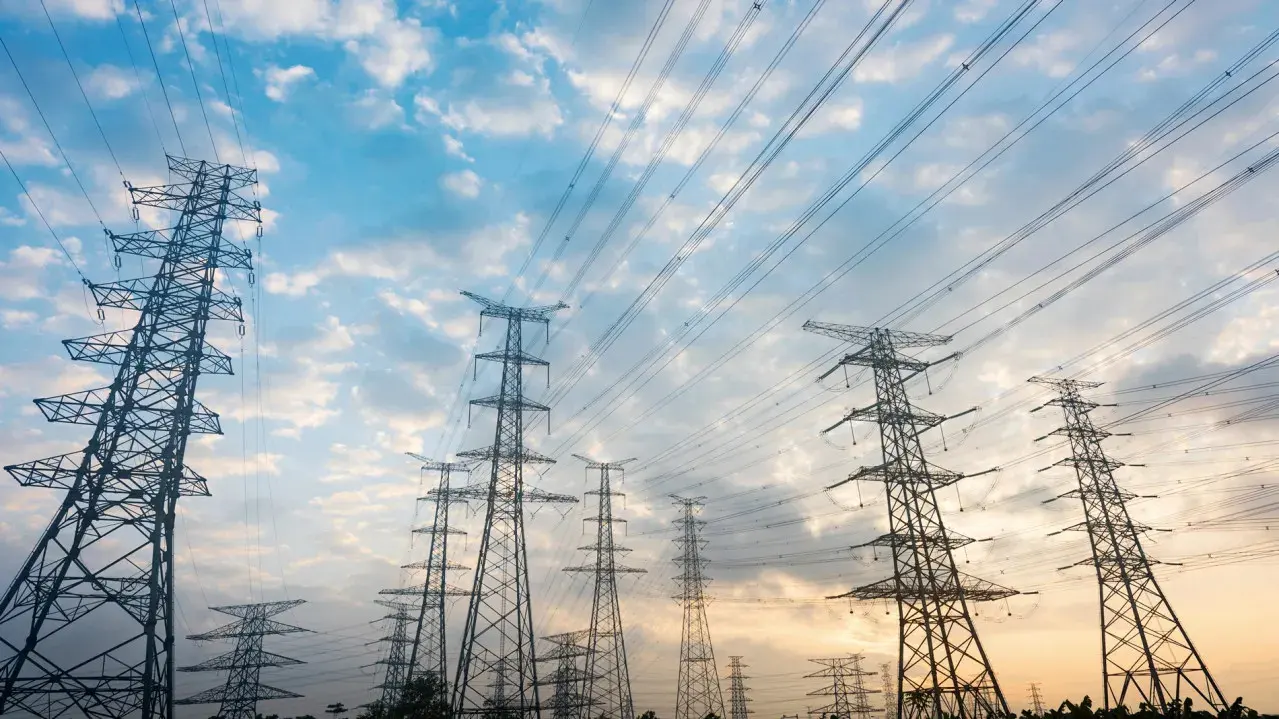
Harnessing low-carbon electricity from regional power grids
Decarbonisation Research and Innovation
As a small, densely populated and alternative-energy disadvantaged city-state, Singapore faces unique constraints in its decarbonisation journey and will rely heavily on technological developments to meet its decarbonisation targets.
In March 2026, Singapore launched the S$800 million Decarbonisation Grand Challenge (DGC) to support research, development and demonstration in areas such as advanced solar, hydrogen, energy storage, carbon capture and industrial decarbonisation. A key initiative under the DGC is the S$250 million Singapore Pilots for Energy and Enterprise Decarbonisation (SPEED) programme, which helps technologies that are close to market roll-out demonstrate their viability under real-world conditions. For example, SPEED will be piloting the deployment of tandem silicon-perovskite solar panels in Singapore to validate their performance, durability and system integration under Singapore’s hot, humid and high-irradiance conditions. This will also help to build local experience and enable a clear pathway to mass deployment.
Such investments in research and innovation will accelerate progress in low-carbon technologies and help Singapore unlock more viable decarbonisation options at competitive costs.
Find out more here.
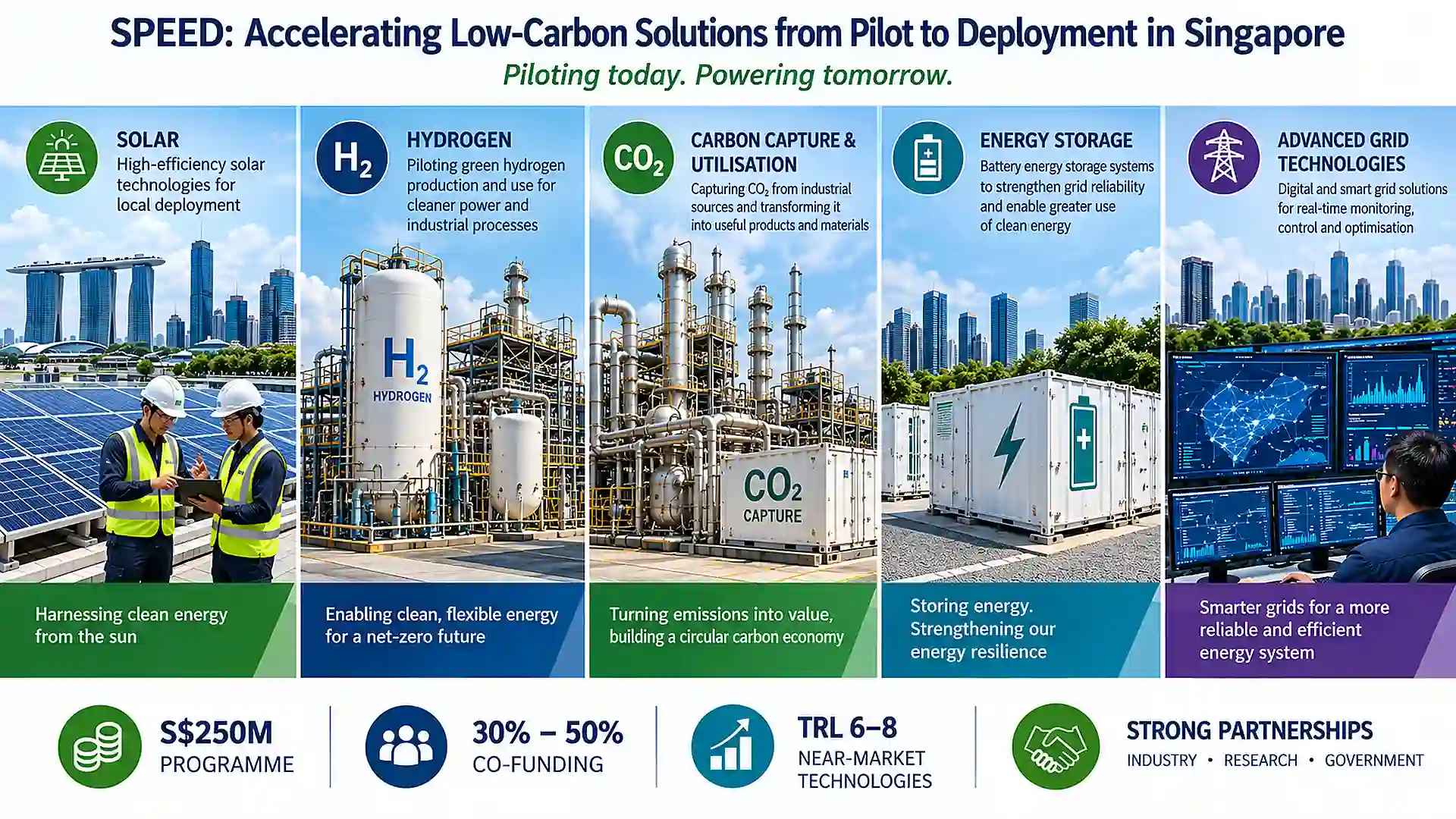
Decarbonisation Grand Challenge Introductory Video
Sustainable Land Transport
To reduce emissions from the land transport sector, the Land Transport Authority has actively encouraged the use of public transport and active mobility. Efforts include expanding our rail network to 360km by the 2030s and building around 1,300km of cycling paths island-wide by 2030.
Singapore also has a vision for all vehicles to run on cleaner energy by 2040. All new car registrations must be cleaner-energy models from 2030, with the deployment of electric vehicle (EV) charging points island-wide in tandem with EV adoption. Grants for heavy vehicles were launched in January 2026 to accelerate the adoption of cleaner-energy heavy vehicles.
We integrate media, marketing, branding and digital content into campaigns that encourage walking, cycling and the use of public transport while accelerating EV adoption. These efforts broaden stakeholder reach and build awareness, support and appreciation of land transport sustainability initiatives.
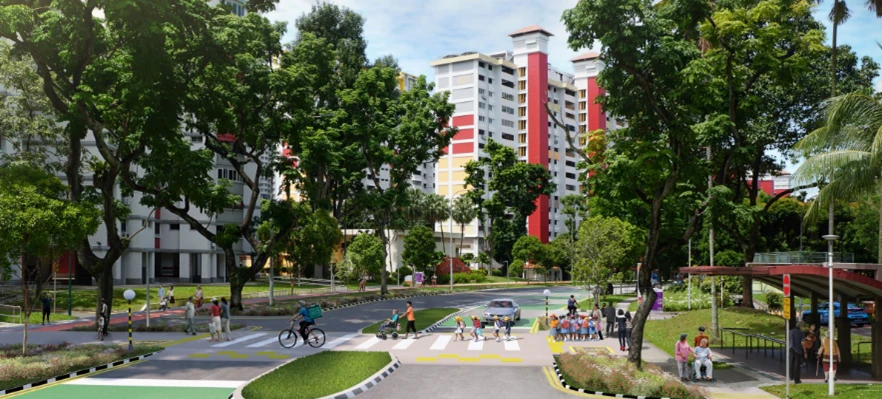
Wider and barrier-free paths and crossings for a more pleasant environment
Sustainable Sea Transport
Singapore is promoting sustainable port operations and the adoption of net zero harbour craft.
Electrification has strong potential for harbour craft engaged in passenger and ship supply services. The Maritime and Port Authority of Singapore (MPA) intends to deploy chargers at key terminals and piers across Singapore’s southern coastline by 2030.
MPA is solarising the piers to support the use of cleaner energy for shore-side operations and electric charging infrastructure. This can help offset grid electricity consumption and reduce the carbon footprint of harbour craft electrification and port operations.
To support global efforts to reduce greenhouse gas (GHG) emissions from international shipping, MPA is collaborating with stakeholders across the value chain to accelerate the transition to a multi-fuel future. To enhance quality assurance and safety, MPA is developing technical references for the bunkering of alternative fuels.
Singapore is also developing a network of green and digital shipping corridors with like-minded partners and continues to support efforts by the International Maritime Organization to reduce international transport emissions.
Supporting the decarbonisation of Singapore’s harbour craft fleet
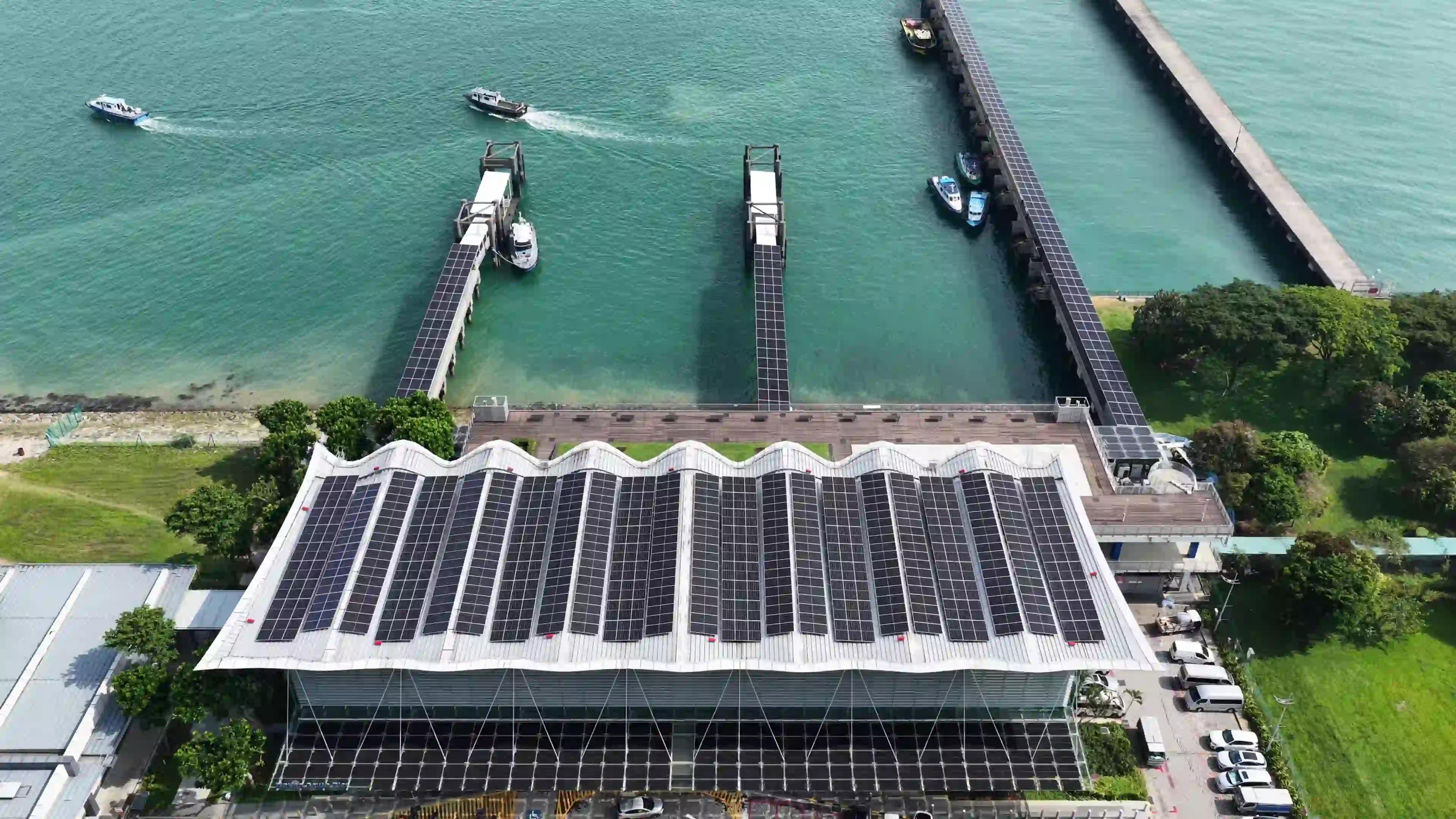
Solarisation of Marina South Pier in Singapore
MPA Completes Solarisation of Marina South Pier
Sustainable Air Transport
The Singapore Sustainable Air Hub Blueprint sets out a balanced approach to the long-term, sustainable growth of Singapore’s aviation sector.
The Civil Aviation Authority of Singapore (CAAS) aims to reduce domestic emissions from airport operations by 20% from 2019 levels by 2030. Key measures include solar deployment, electrification of the airside vehicle fleet and building energy efficiency retrofits.
To support the International Civil Aviation Organization’s Long-Term Aspirational Goal (LTAG) of net zero international aviation emissions by 2050, the use of Sustainable Aviation Fuel (SAF) is a key measure. To achieve a 1% SAF uplift target, CAAS is imposing a SAF levy on flights departing Singapore from 1 January 2027. The goal is to raise this to 3 to 5% by 2030, subject to global developments and the wider availability of SAF.
To grow the SAF ecosystem and support a more resilient and affordable supply, CAAS has set up the Singapore Sustainable Aviation Fuel Company Ltd. (SAFCo) to manage the SAF levy collection and aggregate demand to centrally procure SAF Environmental Attributes.
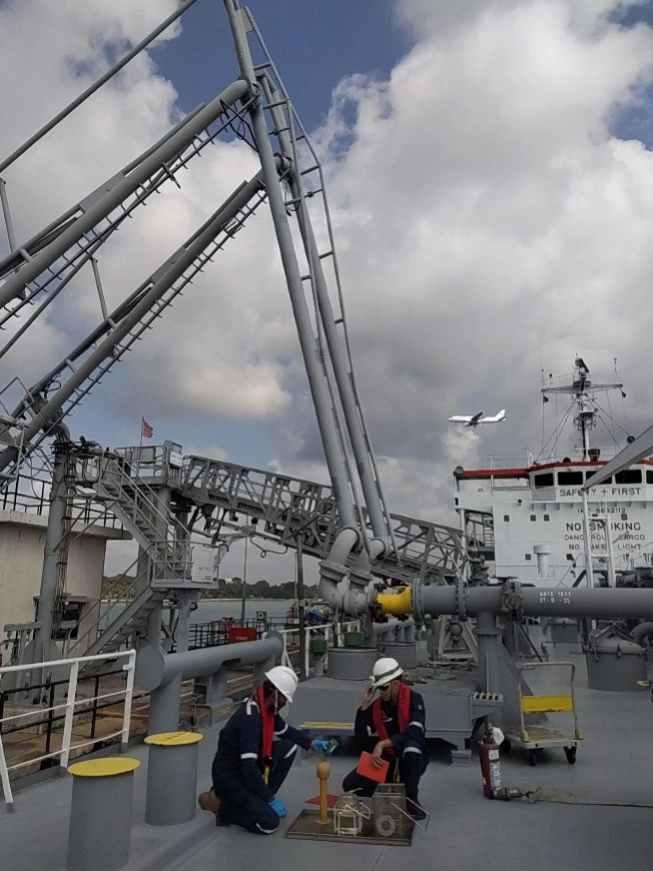
Supplying SAF into Changi Airport’s fuel hydrant system during a voluntary trial organised by SAFCo
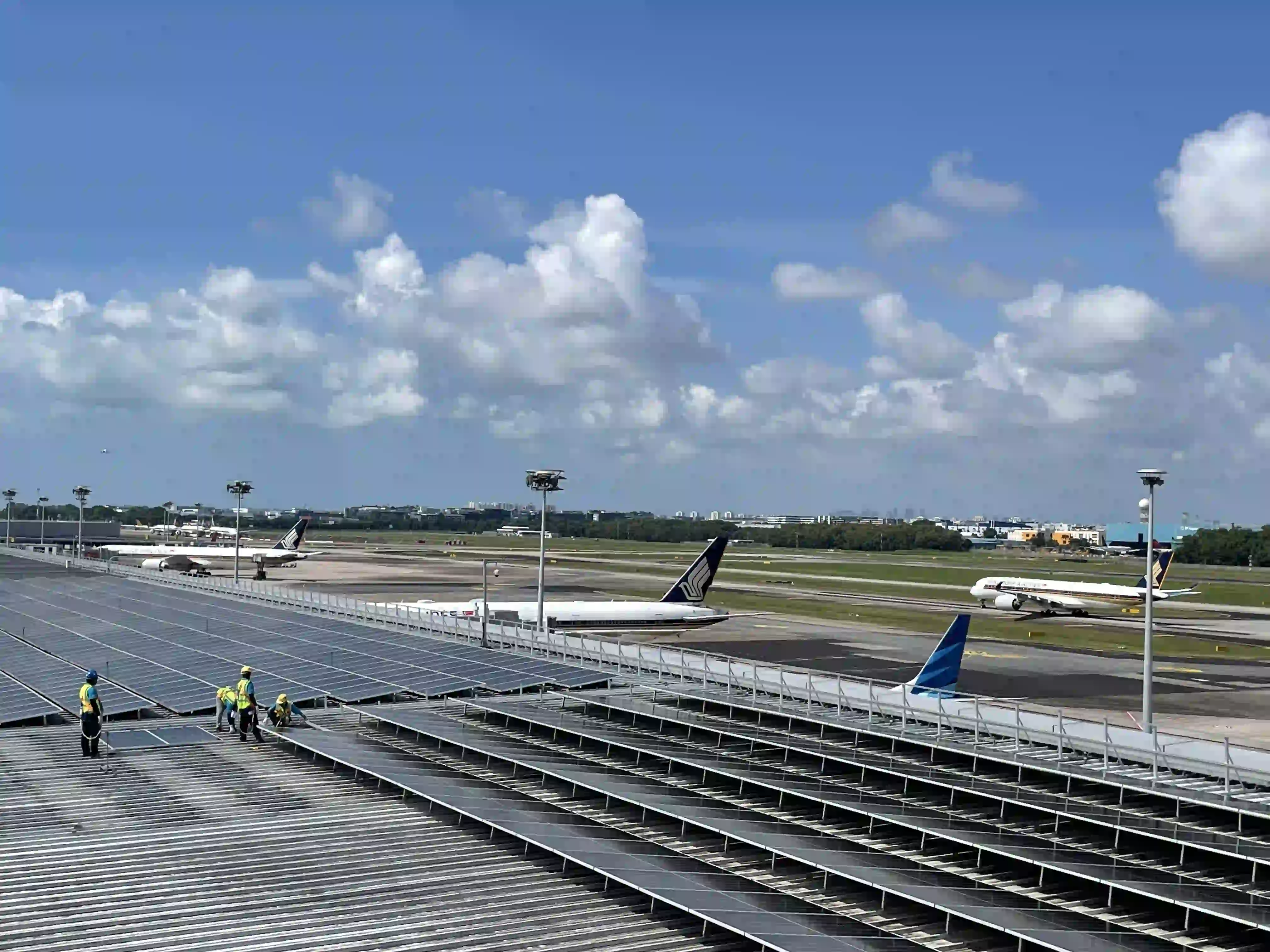
Changi Airport has deployed 60MWp of solar panels on buildings
Singapore Green Building Masterplan - Built Environment Decarbonisation Technology Roadmap
The Singapore Green Building Masterplan (SGBMP) aims to push the boundaries of energy efficiency and environmental sustainability in buildings through its ambitious “80-80-80 by 2030” targets. To date, 66% of buildings have been greened, 33% of new developments have achieved the Super Low Energy (SLE) standard, and best-in-class buildings have demonstrated a 72% improvement in energy efficiency over 2005 code levels.
To accelerate transformation, the Building and Construction Authority (BCA) and the Singapore Green Building Council (SGBC), with support from the Agency for Science, Technology and Research (A*STAR), have developed a Built Environment Decarbonisation Technology Roadmap. It identifies 70 key technologies aligned with the 2030 targets, encompassing market-ready solutions such as ACTs, AI-controlled energy optimisation and low-carbon construction, as well as emerging technologies that support Singapore’s Research, Innovation and Enterprise (RIE) 2030 plan.
Find out more here.
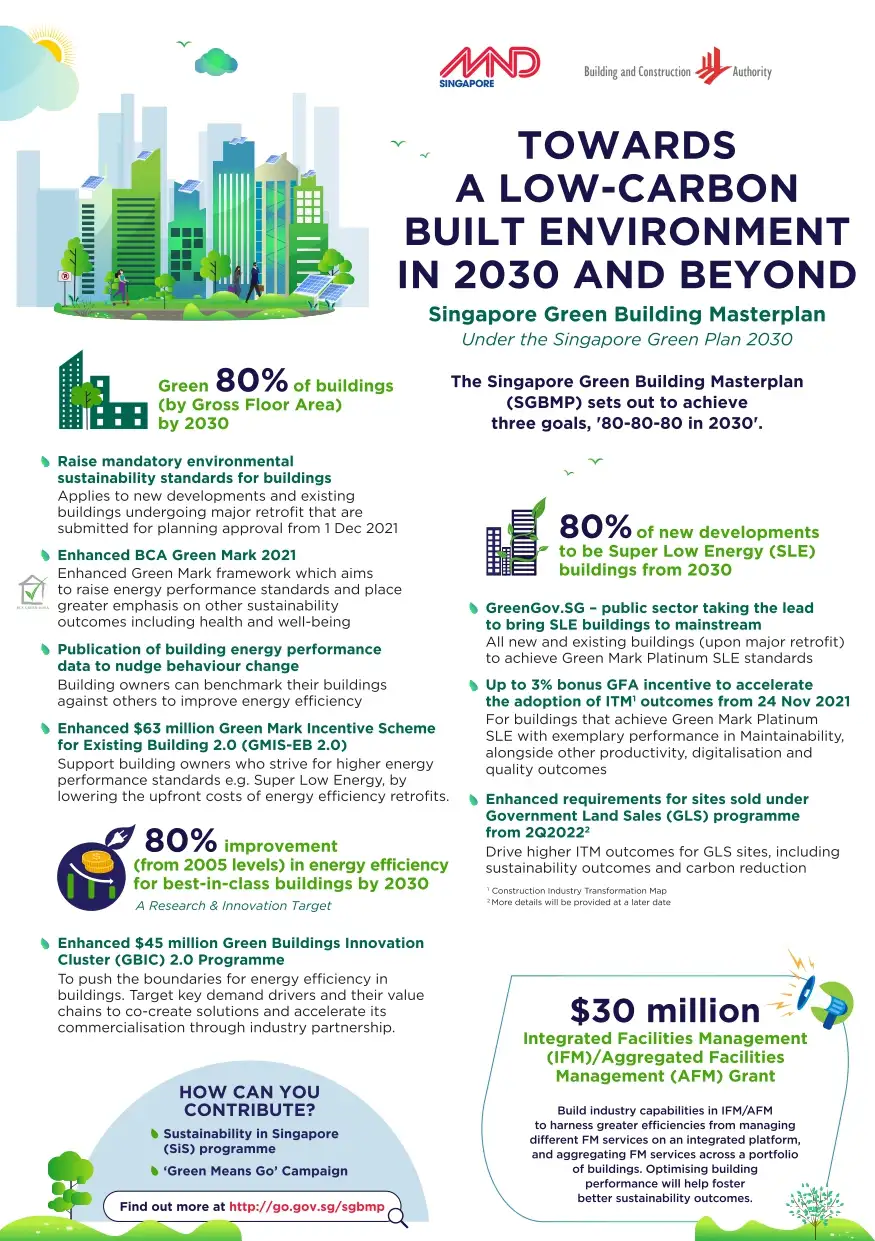
Singapore’s 2050 net zero journey: Singapore’s Green Building Masterplan “80-80-80 in 2030”
Green Education: Eco Stewardship Programme
The Eco Stewardship Programme (ESP) is the Singapore Ministry of Education’s flagship initiative in environmental sustainability education. It aims to inculcate responsible, sustainability-conscious mindsets and lifelong habits in our students. The ESP adopts a whole-school approach to integrate environmental sustainability into schools through the 4Cs: Curriculum, Campus, Culture and Community. Since 2023, we have also focused on Singapore’s Sustainability Challenges as themes to help students appreciate the ramifications of climate change in the local context, such as in food and energy sustainability.
To promote student ownership and action, the Community pillar of ESP’s 4Cs framework provides opportunities for students to contribute to environmental sustainability through school-community partnerships. For example, Yishun Secondary School partners with the neighbourhood Residents’ Network to organise “Our Green Day in the Community”. Supported by the National Environment Agency, the event brought students and residents together to create awareness about environmental sustainability. This approach extends students’ learning beyond the school, benefits the wider community and is an example of our whole-of-government support in nurturing students as eco stewards for Singapore.
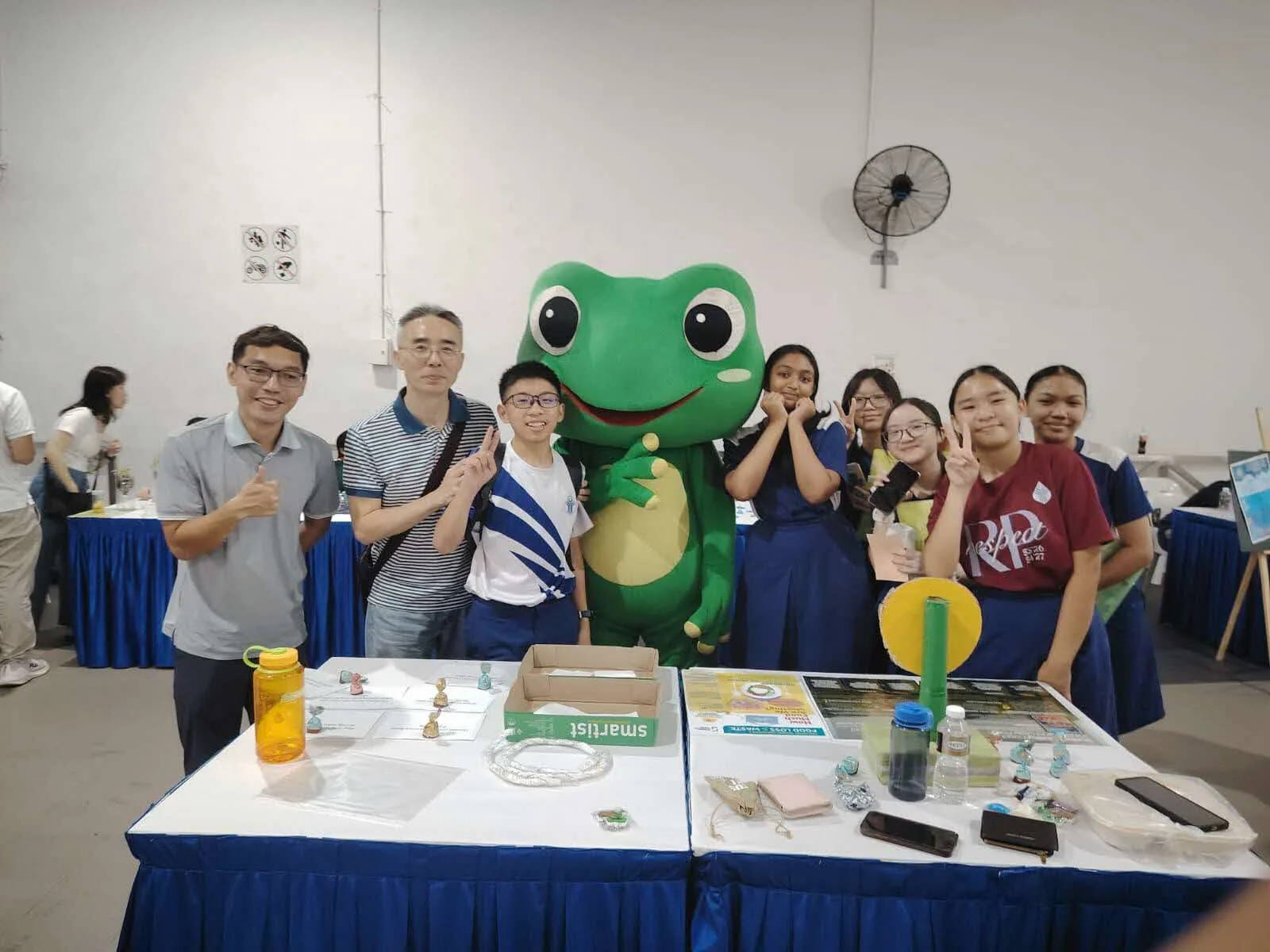
Yishun Secondary School and the Residents’ Network join hands to spark conversations on environmental sustainability
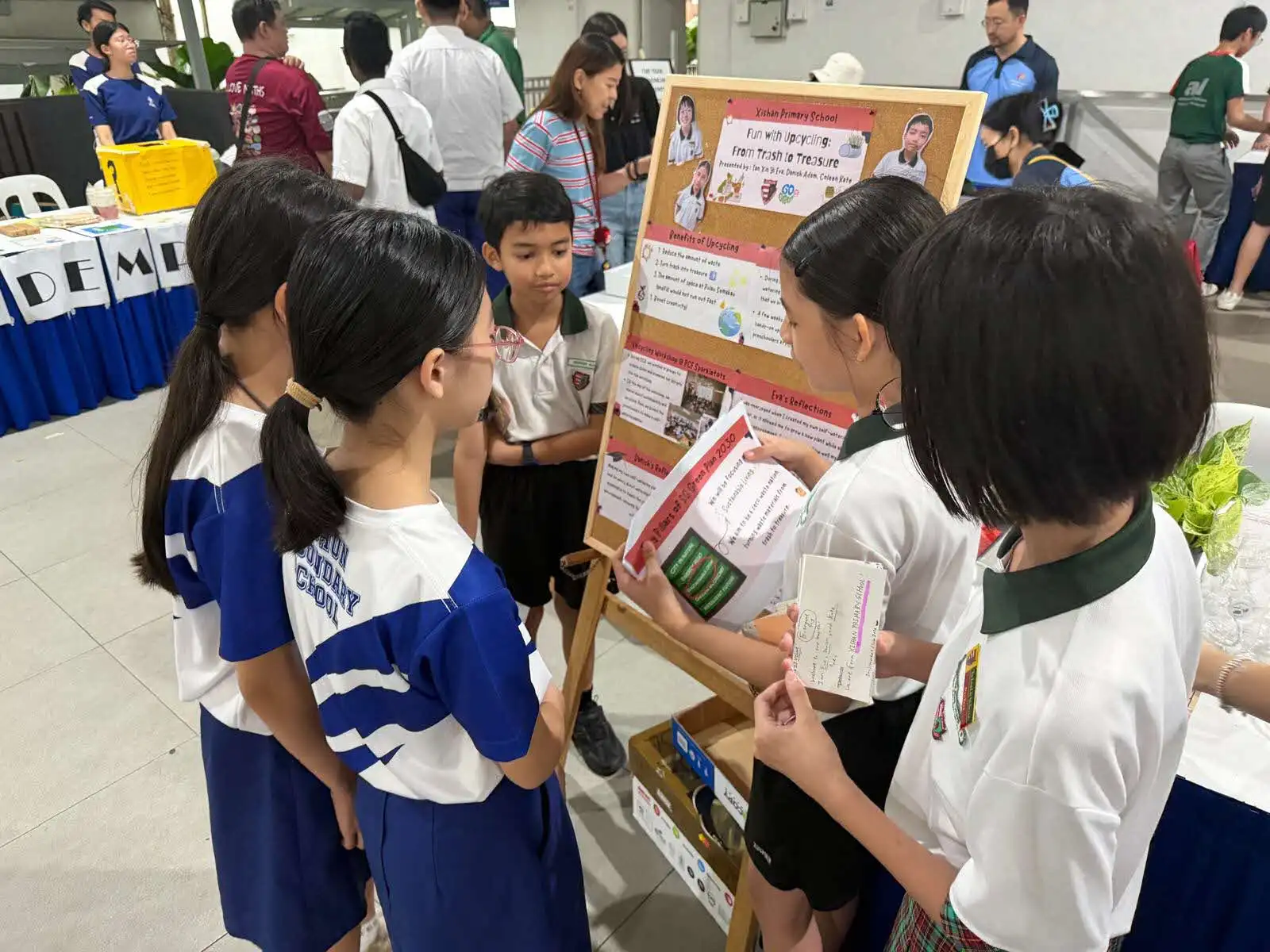
Students share sustainability knowledge with residents and peers at Our Green Day in the Community
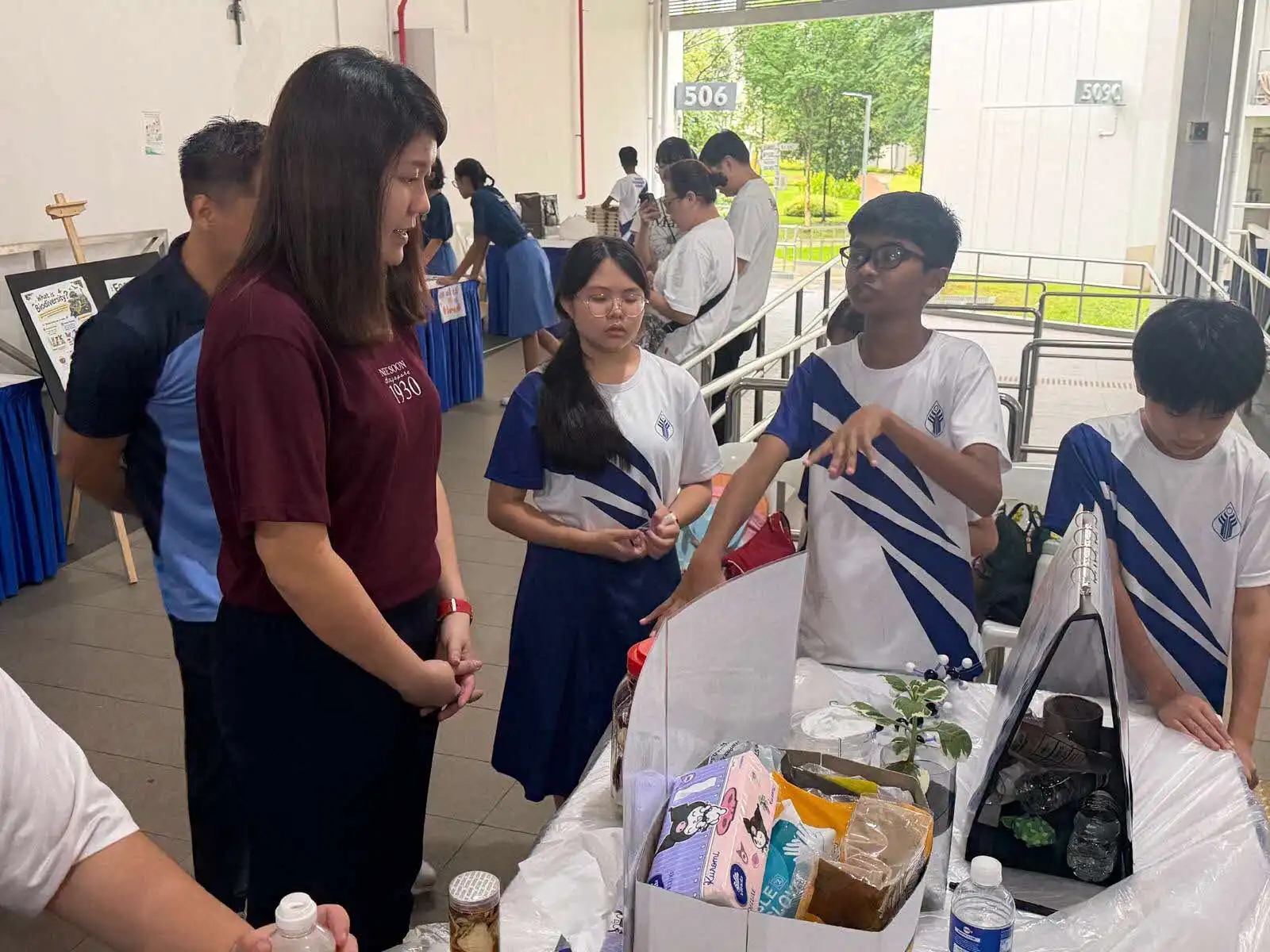
Yishun students and residents join Our Green Day in the Community to promote sustainability
Community Action
Cultivating Green Stewardship
To signal climate adaptation as a national priority, the Ministry of Sustainability and the Environment (MSE) designated 2026 as the Year of Climate Adaptation to strengthen collective resilience against climate change across citizens, businesses and civil society.
Singapore’s first National Adaptation Plan is being developed with insights from Our National Adaptation Conversations, where MSE and government agencies engage the People, Private and Public (3P) sectors to discuss adaptation challenges and opportunities, and co-create solutions that build shared ownership.
Go Green SG, our whole-of-nation sustainability movement, rallies citizens, businesses and the community to take collective climate action. The 2026 edition featured more than 1,000 activities by some 500 partners, including initiatives on climate adaptation.
Beyond conversations and activities, the SG Eco Fund supports community-led projects on environmental sustainability. In 2026, a Climate Adaptation Package under the Fund was introduced to drive action on heat resilience, flood protection, water conservation and supporting local produce.
A public exhibition on climate adaptation further deepens Singaporeans’ understanding of climate change and appreciation of adaptation efforts across the 3P sectors.
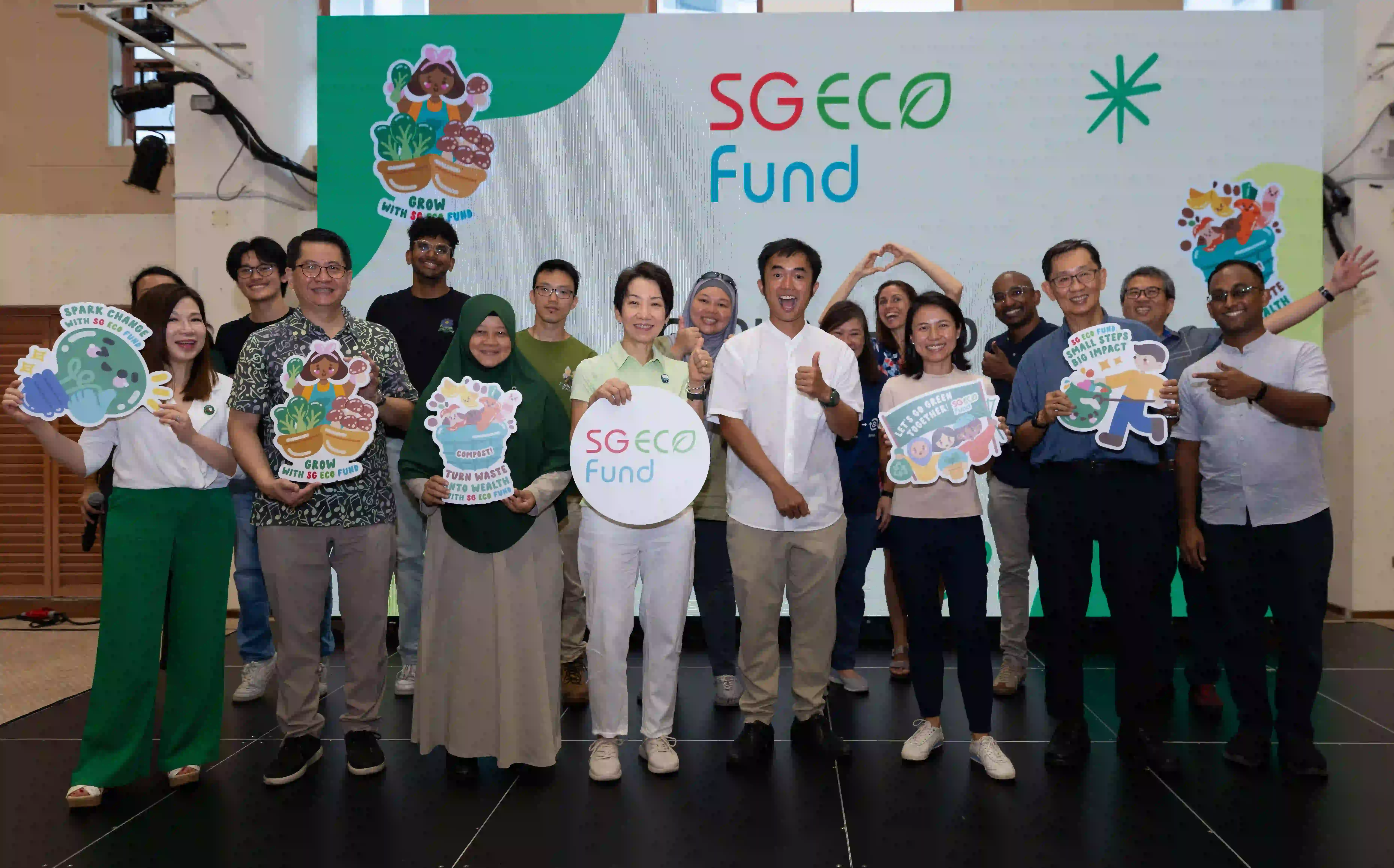
SG Eco Fund’s partners and grantees celebrating their 5th anniversary of engaging communities on sustainability
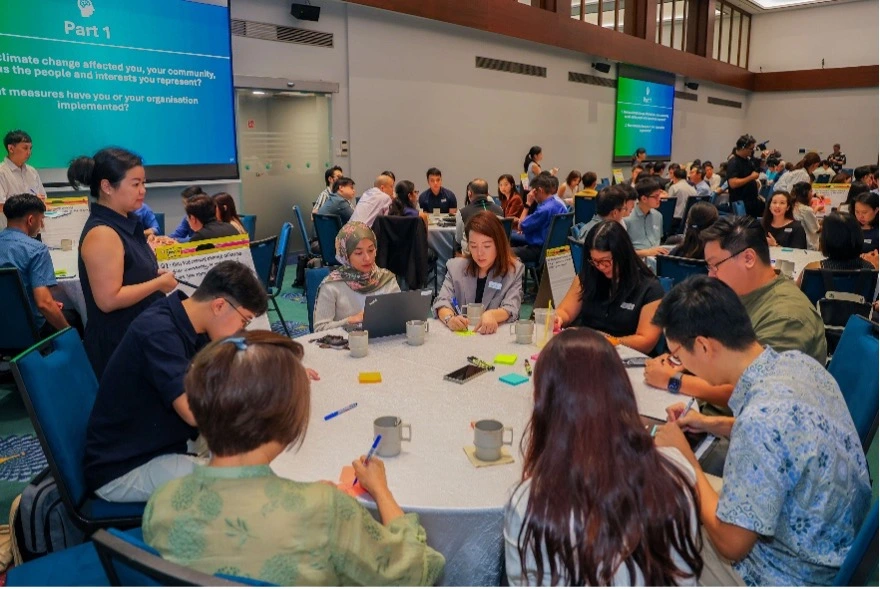
The 3P sectors discuss adaptation challenges and co-create solutions at Our National Adaptation Conversations
Go Green SG 2026 – It’s a Wrap! Highlights
A Net Zero Government
The GreenGov.SG initiative is the Singapore public sector’s sustainability movement. It is a key enabler of the Singapore Green Plan 2030 and demonstrates the public sector’s commitment to lead by example in Singapore’s environmental sustainability journey.
Under GreenGov.SG, the Singapore public sector aims to achieve net zero emissions around 2045, five years ahead of the national target.
To accelerate decarbonisation efforts, the public sector implemented a Building Energy Efficiency Fund to support energy improvement projects in GreenGov.SG premises, such as government offices, civic and community facilities and public hospitals. The Fund also spurs the adoption of innovative technologies, including alternative cooling solutions, with the broader goal of promulgating their adoption beyond the public sector.
The public sector is also pursuing solarisation across all feasible public rooftops and has deployed around 800MWp of solar as of FY2024.
Through the annual GreenGov.SG report, we publish our performance and plans to reduce our environmental footprint. Singapore will continue to learn and share best practices on greening public sector operations with the international community.
Find out more here.
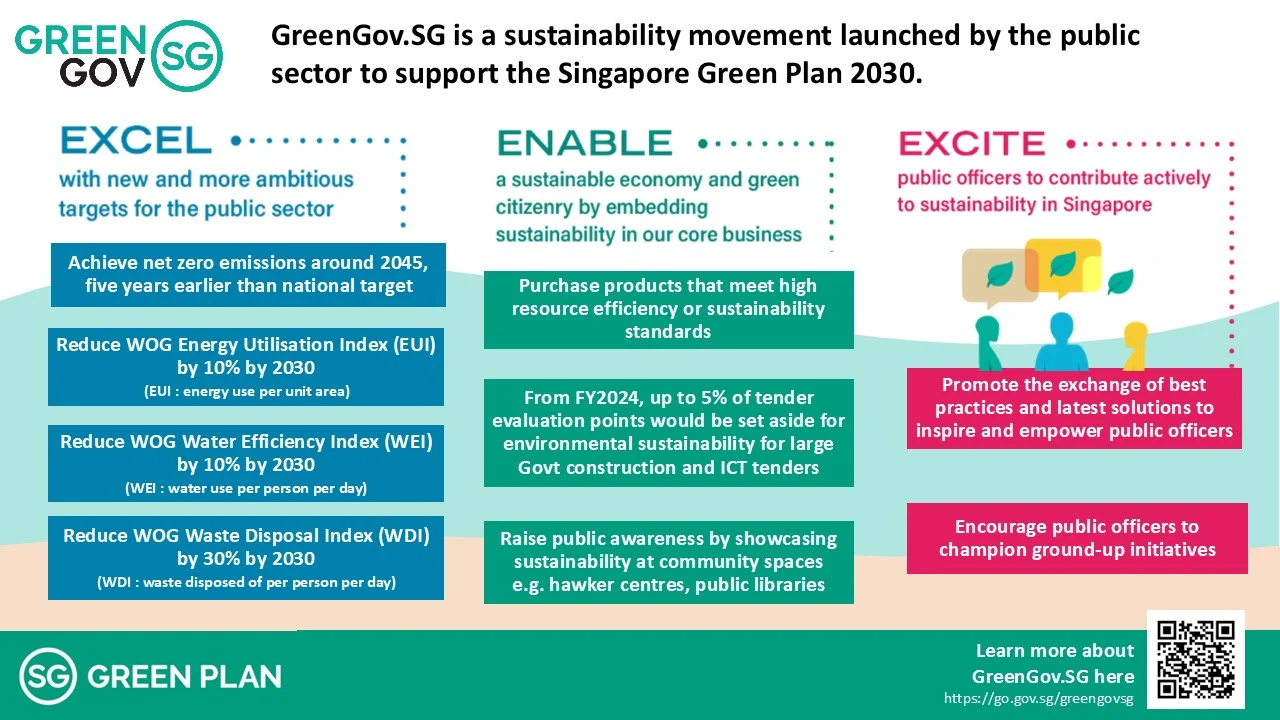
Key targets and initiatives under GreenGov.SG
Singapore Water Story
Singapore is among the world’s most water-stressed countries. Water security is therefore a national priority. PUB, Singapore’s National Water Agency, has built a diversified and resilient water supply through our Four National Taps:
- Water from local catchment
- Imported water
- High-grade reclaimed water known as NEWater
- Desalinated water
NEWater and desalinated water provide weather-resilient sources of supply. NEWater is produced by purifying treated used water through advanced membrane technologies and ultraviolet disinfection. Its quality meets stringent international drinking-water standards.
NEWater and desalinated water are energy-intensive. PUB is investing in research and trialling technologies to reduce the energy required for seawater desalination from about 3.5 kWh/m³ to less than 2 kWh/m³.
PUB is also expanding water reclamation capacity, building new NEWater factories and upgrading ageing waterworks with advanced treatment technologies and smart operational capabilities. Together, these investments will strengthen Singapore’s water security and support a robust and sustainable water system.
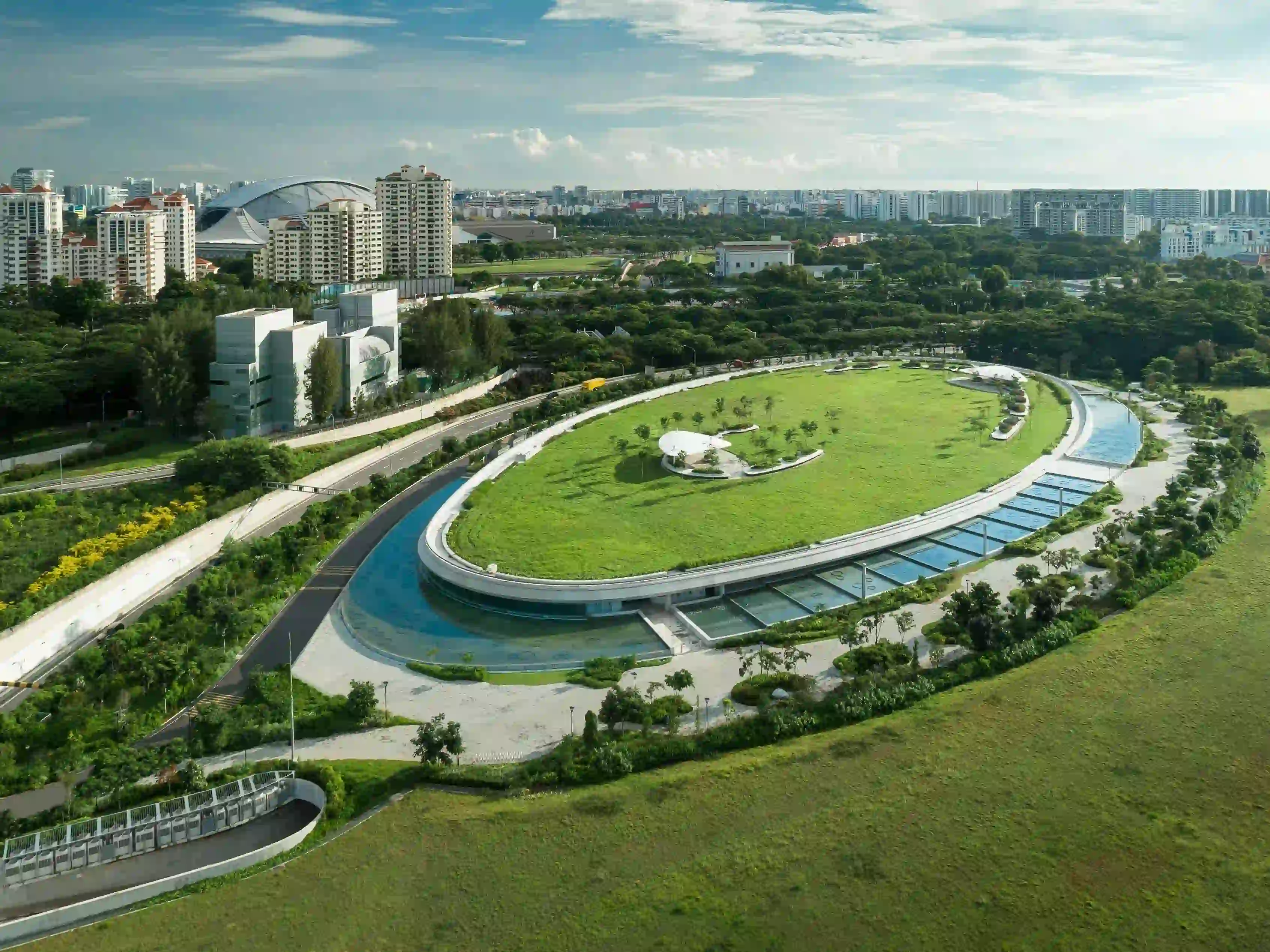
Marina East Desalination Plant’s green rooftop facilitates rainwater harvesting (Credit: Keppel)
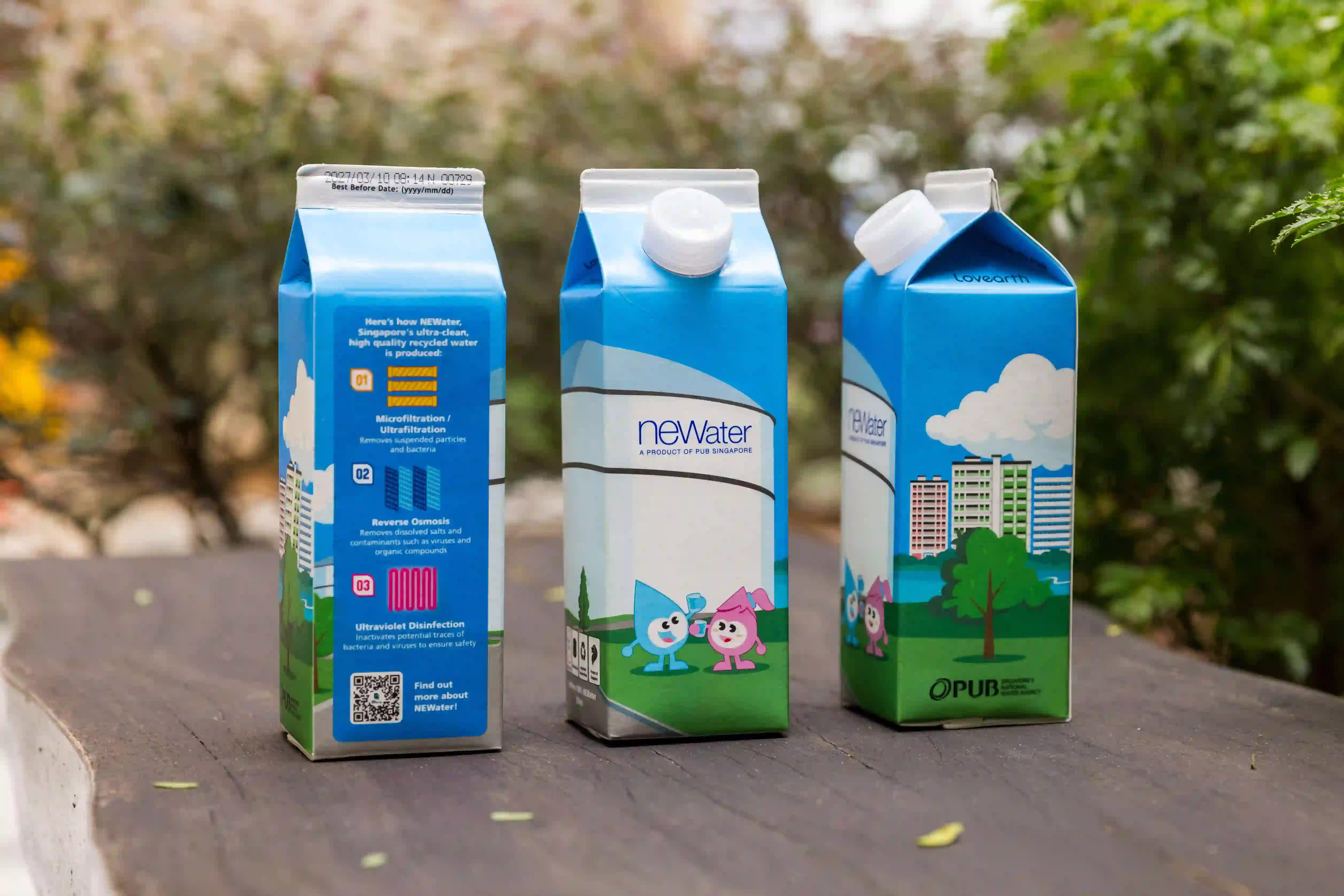
NEWater distributed to the public at Singapore’s National Day Parade 2026
Feeding Our Future
As a small country that relies heavily on imports, Singapore is vulnerable to global shocks and disruptions arising from climate change, disease outbreaks, geopolitical tensions and supply-chain disruptions, which can last from weeks to even years.
To strengthen Singapore’s food resilience, the Singapore Food Agency (SFA) takes a multi-pronged approach through our Singapore Food Story 2. Built on four pillars, it gives us the flexibility to respond to a wide range of disruptions and ensure essential food needs are met.
- Diversifying Imports reduces our source concentration and improves our agility in sourcing food when needed.
- Global Partnerships with like-minded countries and regions help strengthen existing food supply chains.
- Stockpiling essential food items buys us time and gives us options to restore food flows while sustaining our basic needs.
- Growing Local provides a regenerative source of food supply.
SFA also maintains a science-based food regulatory system consistent with international standards and continuously keeps abreast of the latest scientific developments to enable food innovation while ensuring food safety.
Find out more here.
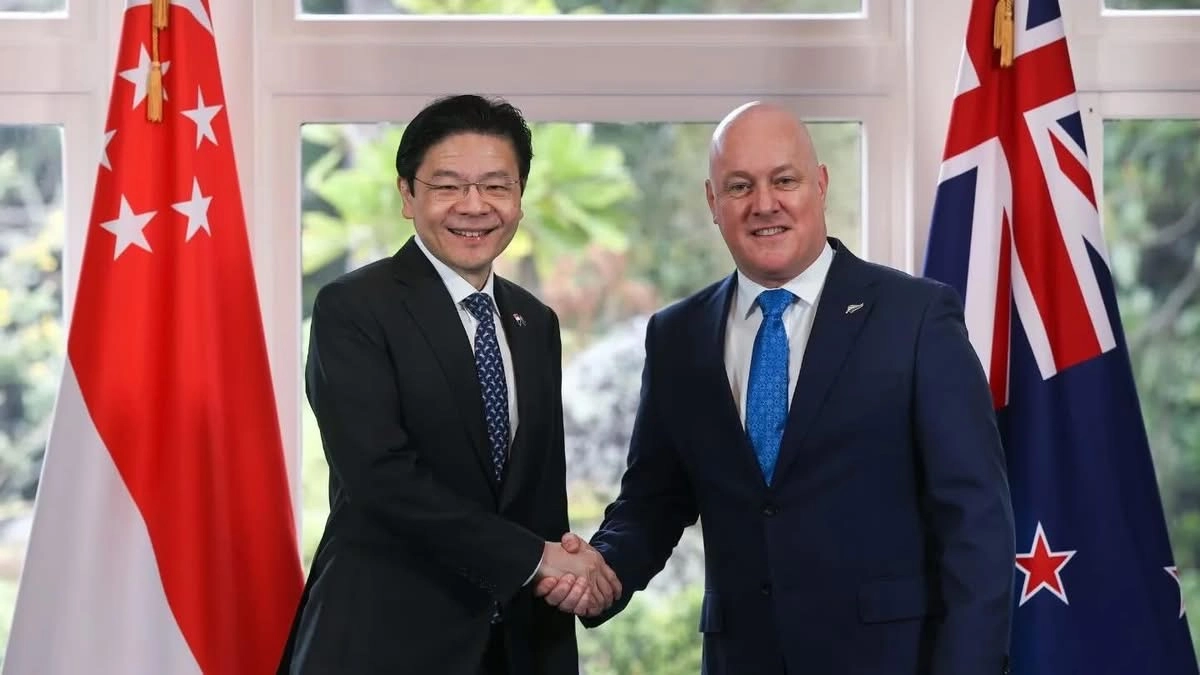
Singapore and New Zealand signed a 2026 agreement to keep essential supplies flowing during crises
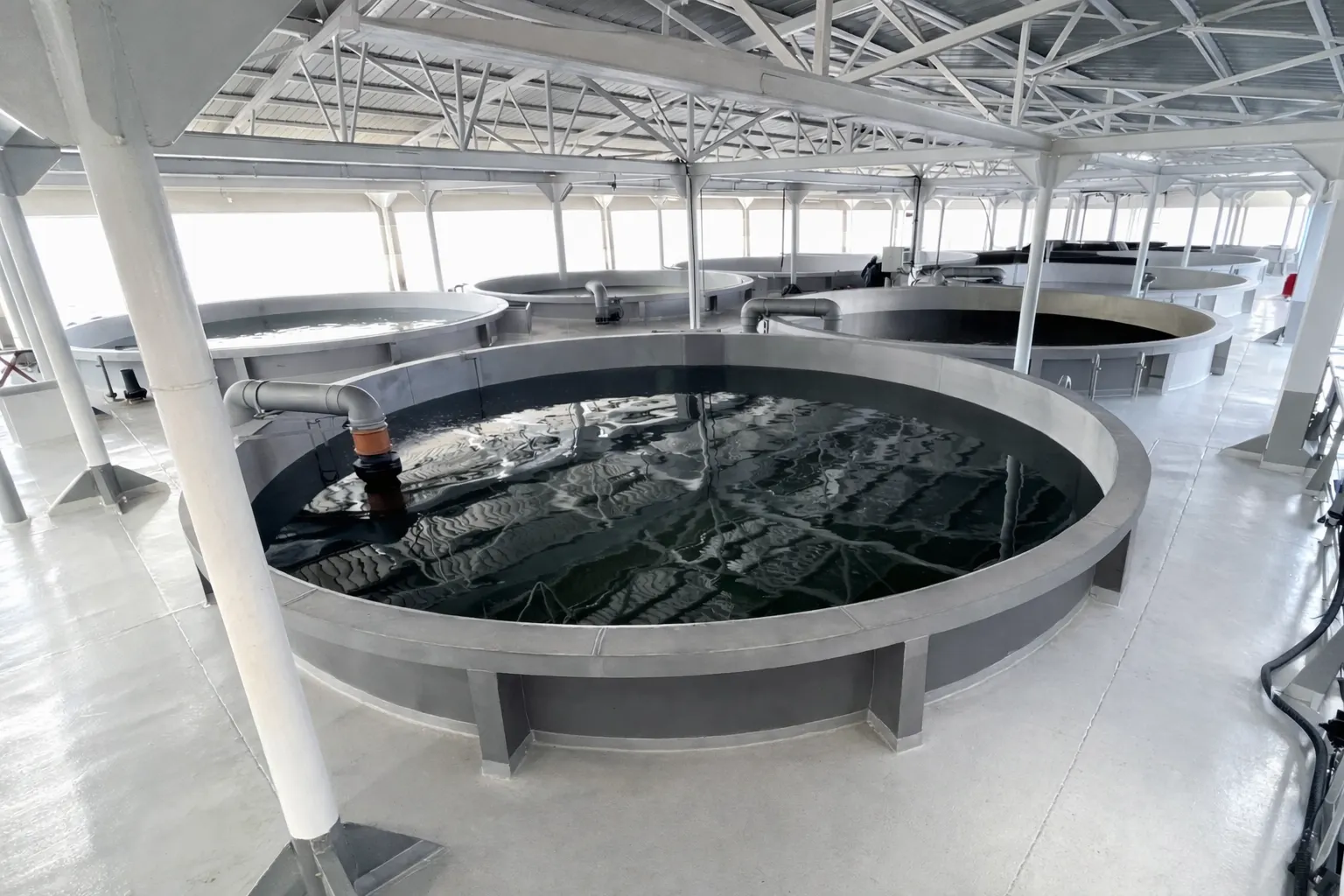
Singapore Aquaculture Technologies triples productivity with the support of SFA’s Agri-Food Cluster Transformation Fund
Adapting to Sea Level Rise and Enhancing Flood Resilience
About 30 per cent of Singapore’s land lies less than 5m above mean sea level. This makes Singapore vulnerable to flooding from sea level rise, high tides, storm surges and increasingly intense rainfall driven by climate change.
Singapore adopts a multi-pronged approach to strengthen flood resilience, addressing inland and coastal flood risks. This includes upgrading drainage systems, clarifying responsibilities of building owners and developers, and improving community preparedness. Site-specific studies are being conducted along the coastline to develop tailored coastal protection measures that form a continuous line of defence. Studies covering the City-East Coast area, including the Greater Southern Waterfront, Changi and the North-West Coast, have been completed. These findings will support long-term planning and ensure coastal protection measures remain compatible with future land use and urban development.
In February 2026, Singapore introduced Coastal Protection legislation, setting out landowners’ responsibilities and compliance requirements. PUB, Singapore's National Water Agency, subsequently launched the Code of Practice on Coastal Protection in June 2026, establishing requirements for the planning, design, operation, inspection and maintenance of coastal protection measures.
Find out more here.

Scan to see PUB’s Code of Practice on coastal protection
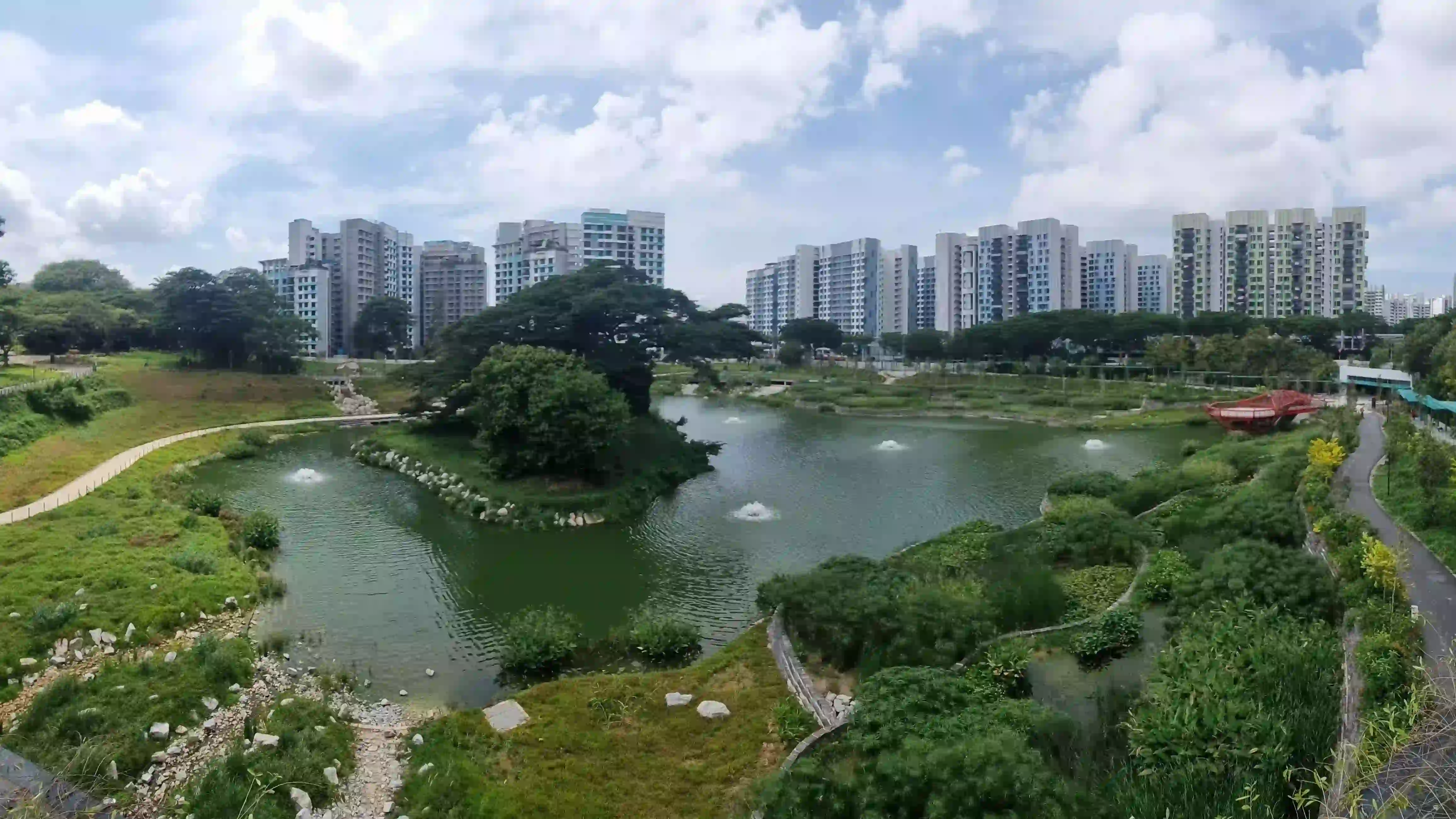
Alkaff Lake, a multi-functional stormwater retention pond integrated with Bidadari Park
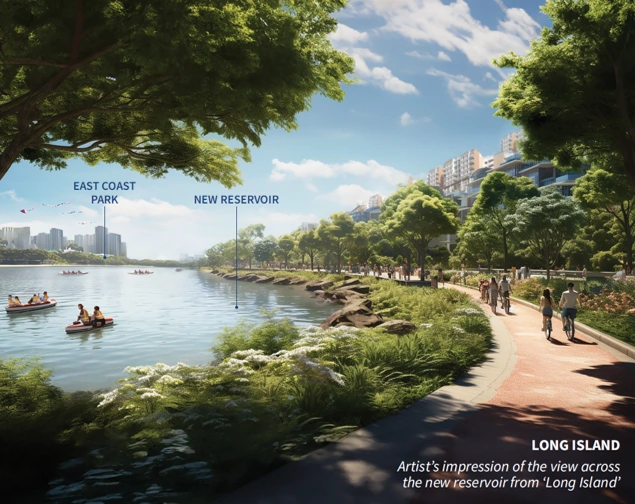
Long Island protects us from rising sea levels and floods
Building a Flood-Resilient Singapore
City in Nature
Singapore is one of the greenest high-density cities in the world. Our City in Nature vision seeks to make Singapore more liveable, sustainable and climate-resilient through the following strategies:
- Conserve and extend Singapore’s natural capital by expanding our Nature Park Network
- Intensify nature in gardens and parks, such as through habitat restoration
- Restore nature into the urban landscape, such as by implementing skyrise greenery
- Strengthen connectivity between green spaces through networks of ecological corridors
- Enhance veterinary care and animal management by strengthening biosurveillance capabilities
This vision will be underpinned by the support and involvement of the community.
Find out more here.
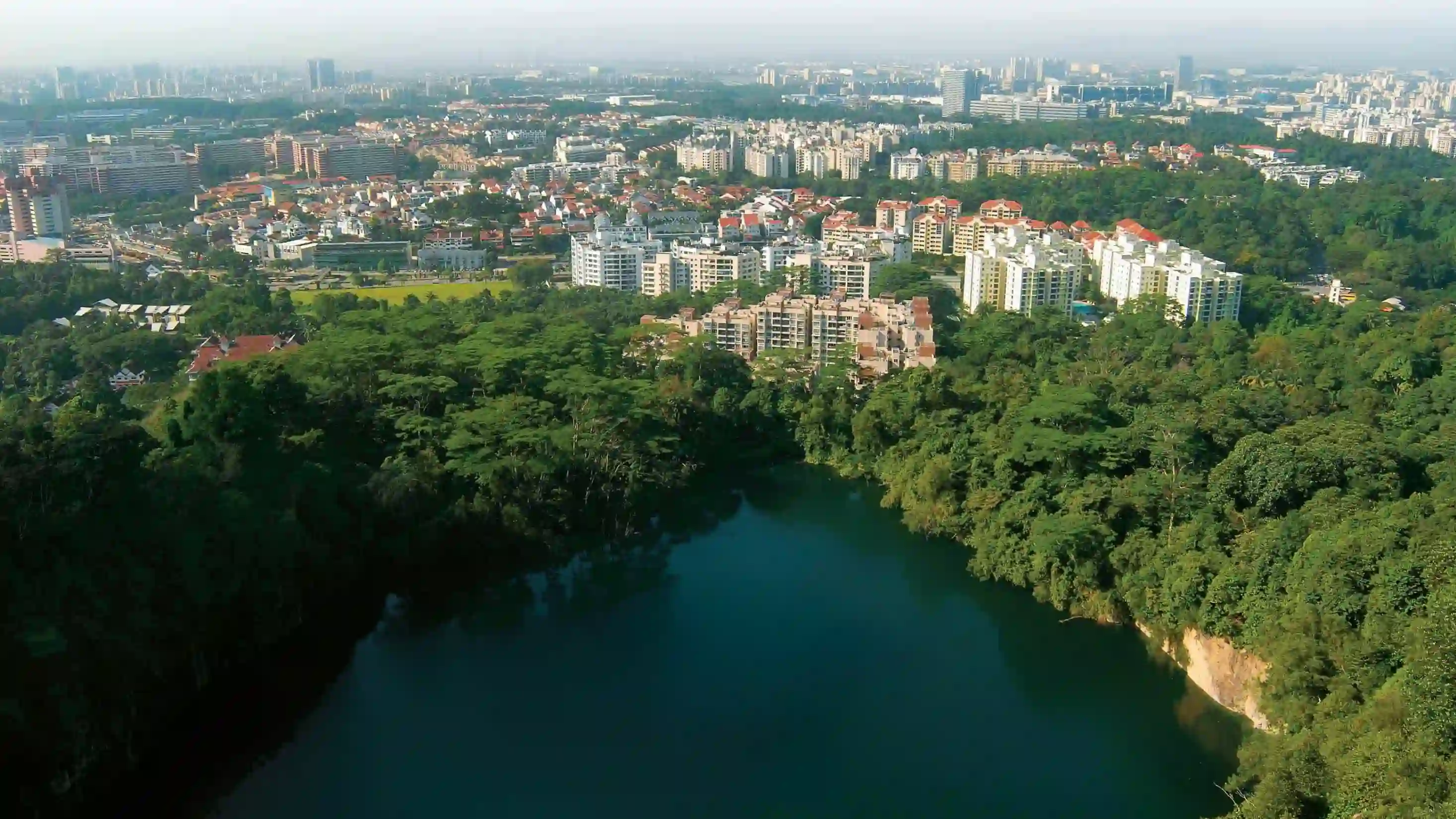
A view of our City in Nature
NParks’ Climate Adaptation Efforts
NParks works with the research community to understand how climate change affects Singapore’s natural capital. The S$25 million Marine Climate Change Science (MCCS) Programme brings together scientists, government agencies and industry partners to study how climate change affects our seas—from examining ecosystem tipping points to promoting coral reef resilience. By turning science into practical solutions, the programme helps protect marine life and supports Singapore’s vision of a City in Nature.
Beyond research, NParks is implementing nature-based solutions to help nature spaces adapt to climate change. The Keppel Coastal Trail within Labrador Nature Park, launched in January 2025, passes through an actively restored coastal beach forest that buffers the adjacent coastal hill forest, protecting habitats, enhancing biodiversity and offering visitors a serene, nature-based recreational experience. The trail includes an elevated, wheelchair-accessible boardwalk designed with future sea level rise in mind.
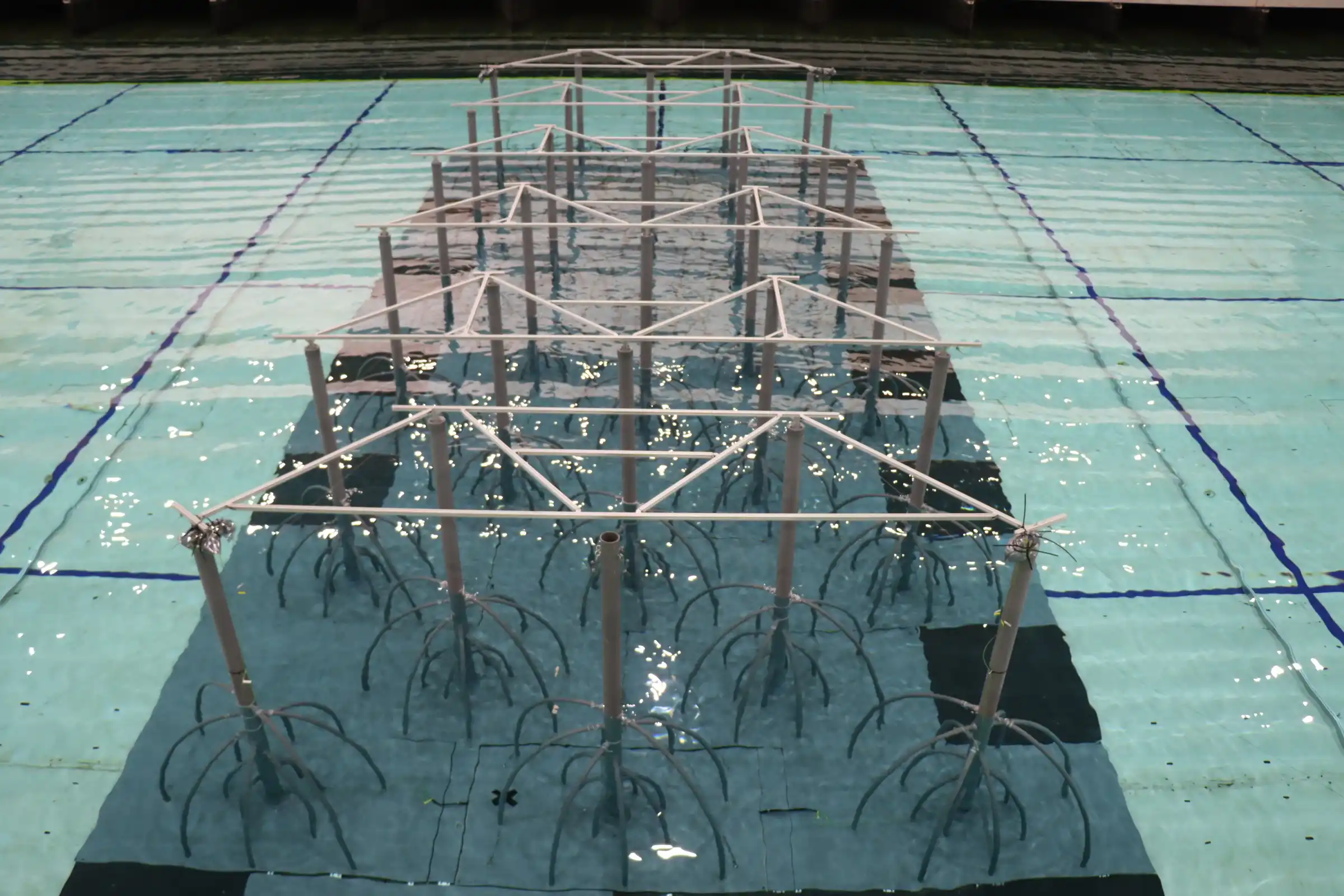
The MCCS research project “NATURE” studies how corals, mangroves and seagrass attenuate waves for coastal protection
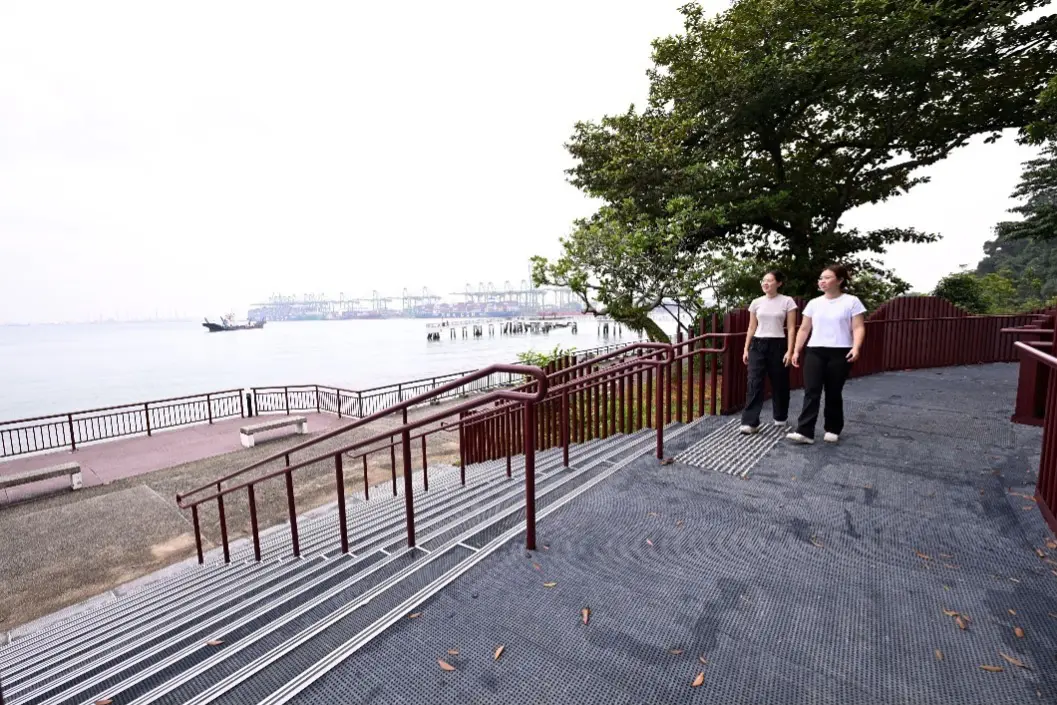
90m-long elevated boardwalk along Keppel Coastal Trail
Climate Research to Guide Adaptation Plans
We need to deepen our understanding of how climate change is unfolding in the tropics and the Indo-Pacific Maritime Continent, commonly referred to as the “engine room of the global climate system”.
Singapore’s Third National Climate Change Study (V3) was released in January 2024. It provides the highest-resolution climate change projections for Singapore and the wider Southeast Asia (SEA) region. V3 projects higher temperatures, more wet and dry extremes and an accelerating increase in mean sea levels for Singapore and SEA by 2100.
V3 findings have helped countries in SEA better understand and adapt to the impacts of climate change at a more localised level. V3 data is shared with SEA countries and the wider research community. In April 2025, CCRS launched the V3 Data Sharing Portal to allow regional partners to access V3 climate projections that further inform climate impact research. Singapore also hosts the ASEAN Specialised Meteorological Centre to support and enhance weather and climate services for the region.

The V3 Data Sharing Portal allows partners to access V3 climate projections, informing further research
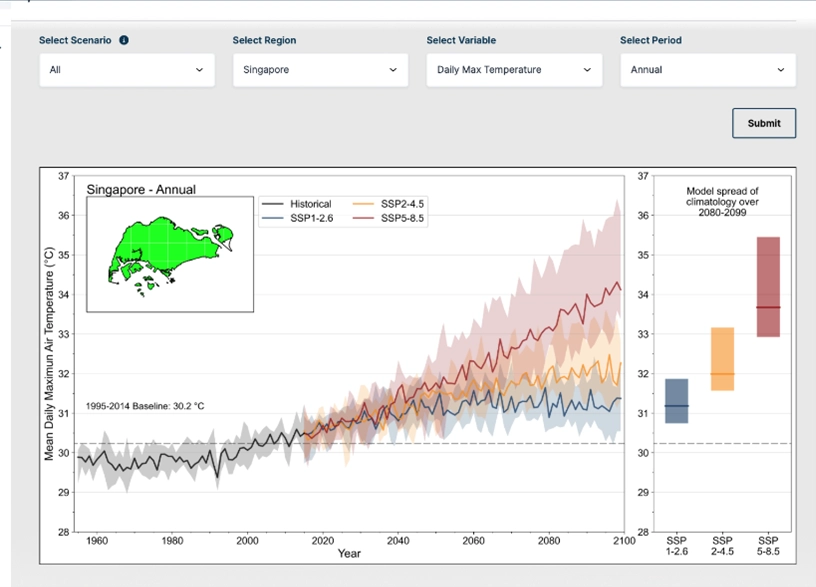
The Climate Visualiser lets users explore future climate trends and scenarios for Singapore and SEA
Urban Heat
Singapore adopts a science-based and proactive approach to managing heat:
Implementing national-level cooling strategies
We apply urban and building design guidelines that enhance wind flow and shade, and passive cooling solutions that reduce heat absorption. Where active cooling is required, we promote Alternative Cooling Technologies (ACTs) such as hybrid cooling and passive displacement cooling to improve energy efficiency while maintaining optimal conditions.
Strengthening community resilience to heat
Singapore provides a Heat Stress Advisory and real-time heat stress data to support informed decision-making and reduce heat-related risks. This is complemented by sector-specific guidelines for more vulnerable groups. The Government also supports innovative solutions such as ‘Undercover’, a web application developed by Open Government Products that helps users identify shadier walking routes.
Deepening scientific understanding of heat
Singapore develops climate projections and monitors heat through a network of sensors to inform evidence-based policies. We also invest in research on infrastructural interventions and the impact of heat on society, supported by the S$40 million ‘Adapting to Heat Impacts’ Funding Initiative.
Find out more: ACT e-publication
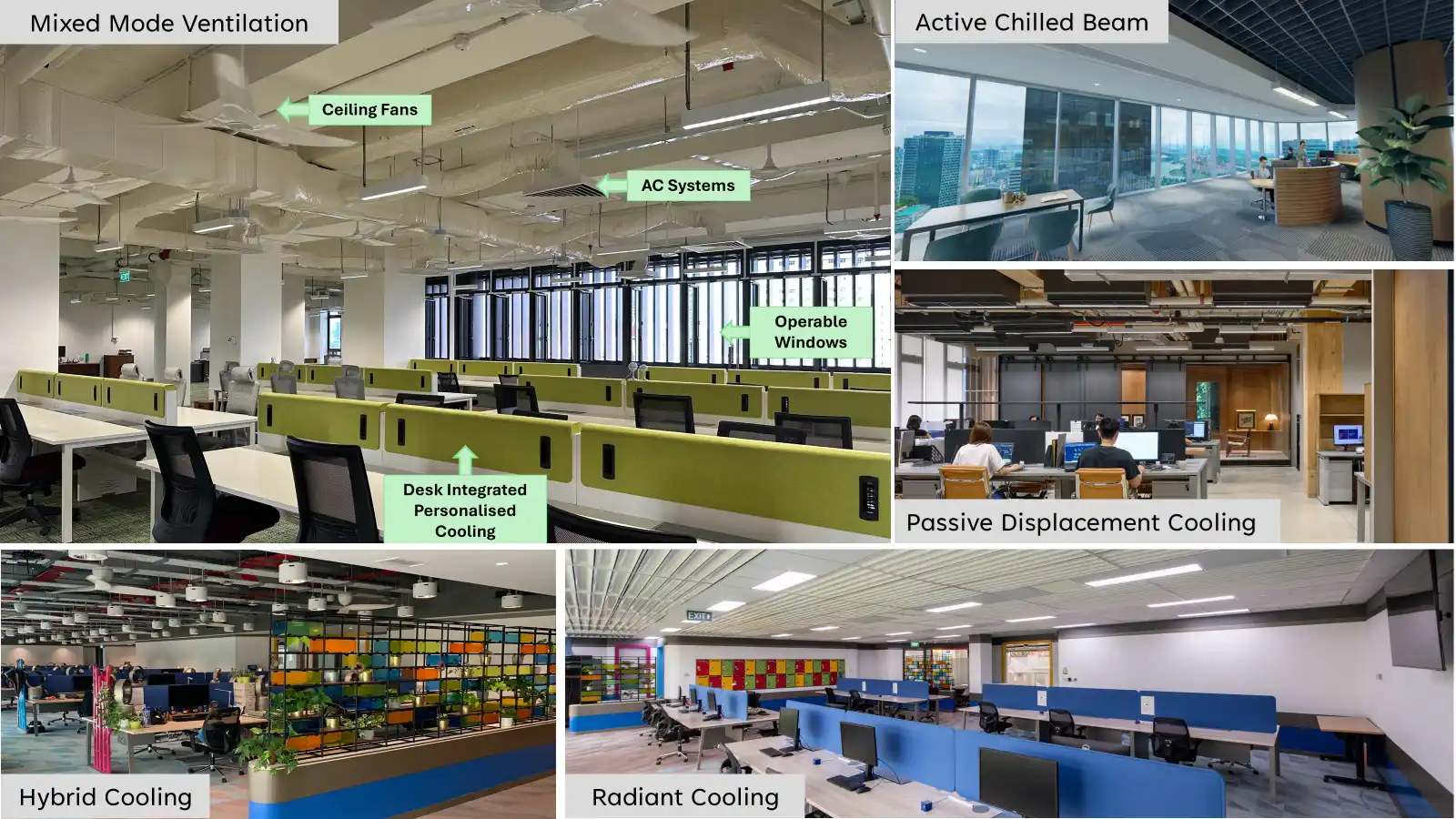
Examples of Alternative Cooling Technologies deployed in Singapore
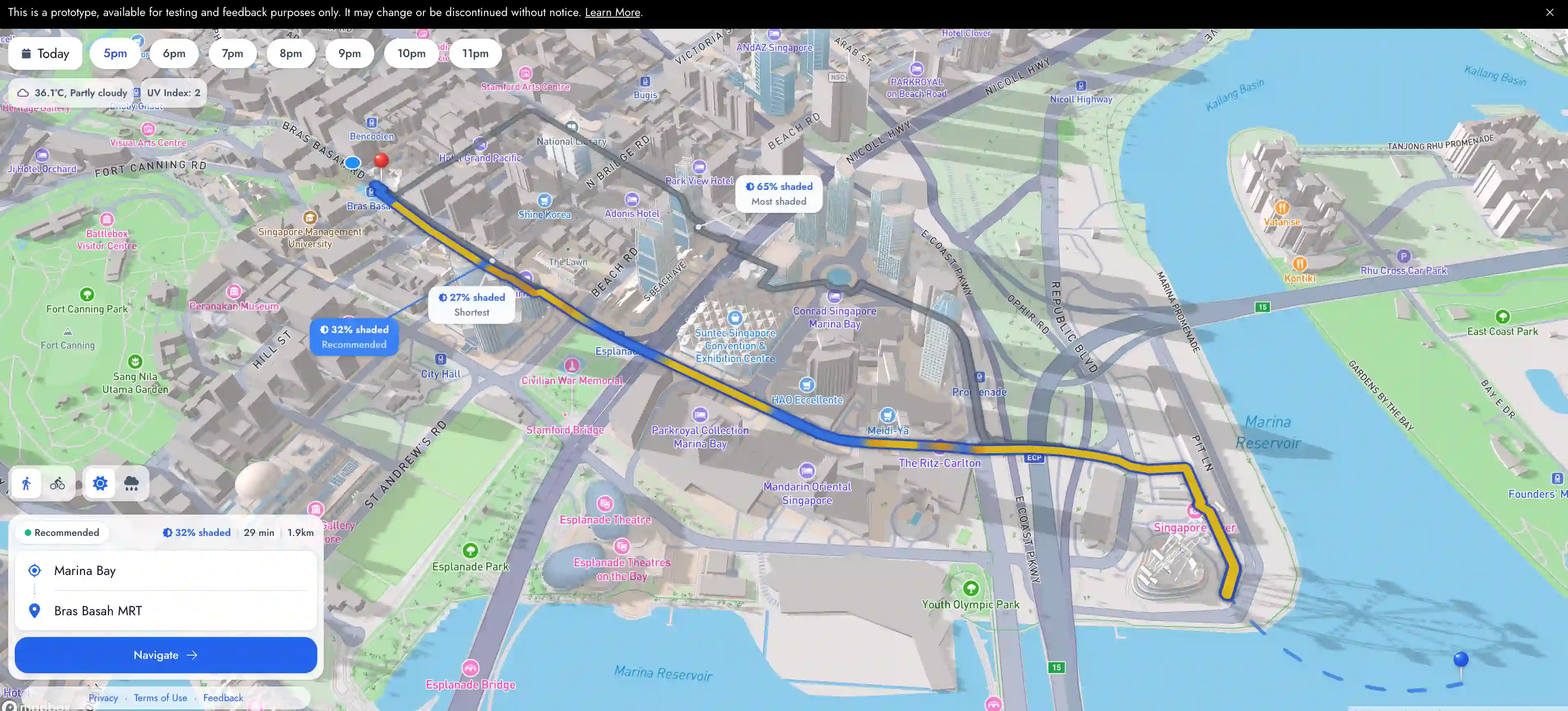
Undercover allows users to optimise routes (see blue-yellow vs grey) based on shade and distance
International Cooperation on Carbon Markets
International cooperation is key to developing high-integrity carbon markets that mobilise climate finance and generate carbon credits aligned with Article 6 of the Paris Agreement. Singapore is playing an active role in building this ecosystem.
Singapore has been forging bilateral cooperation by signing Implementation Agreements (IAs) with eleven countries across Africa, Asia and Latin America.
Singapore is signalling demand for Article 6 credits and is working with international organisations to scale climate action. In October 2025, the country launched a Request for Proposals (RFP) for high-quality nature-based and technology-based Article 6 carbon credits.
Singapore co-chairs The Coalition to Grow Carbon Markets with Kenya and the UK. At COP30, the Coalition launched a set of shared principles to guide businesses in the voluntary use of high-integrity carbon credits. At COP31, the 11-member Coalition will build on this with a Policy Playbook, providing national policymakers with guidance to move from principles to practice.
These efforts position Singapore as a constructive player, leveraging international cooperation to support the development of a robust international carbon market.
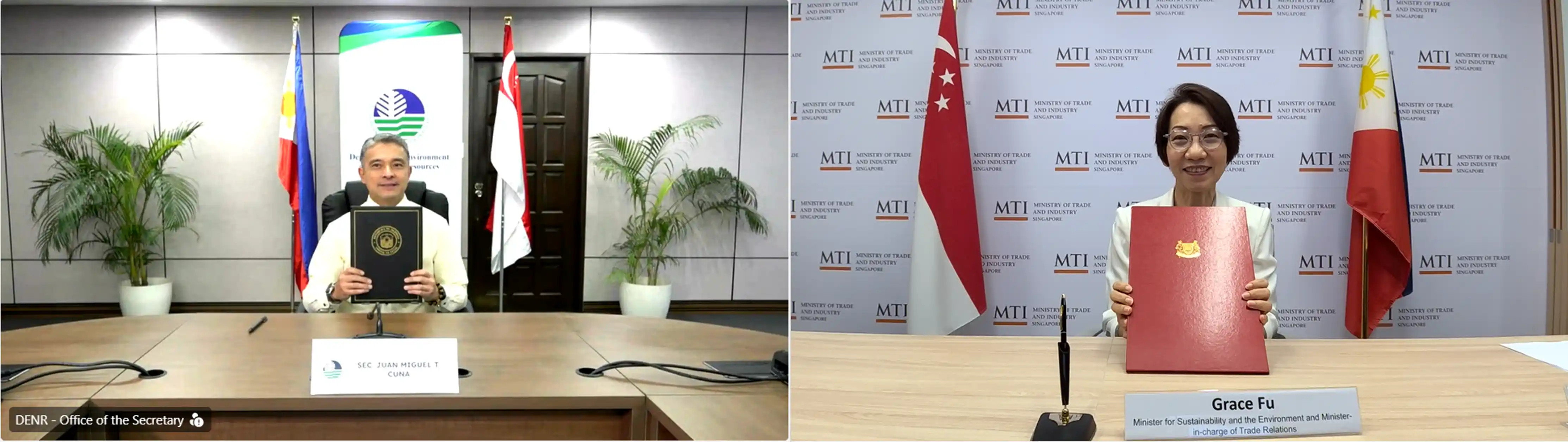
Singapore and the Philippines signed a 2026 IA to collaborate on carbon credits during ASEAN Climate Week
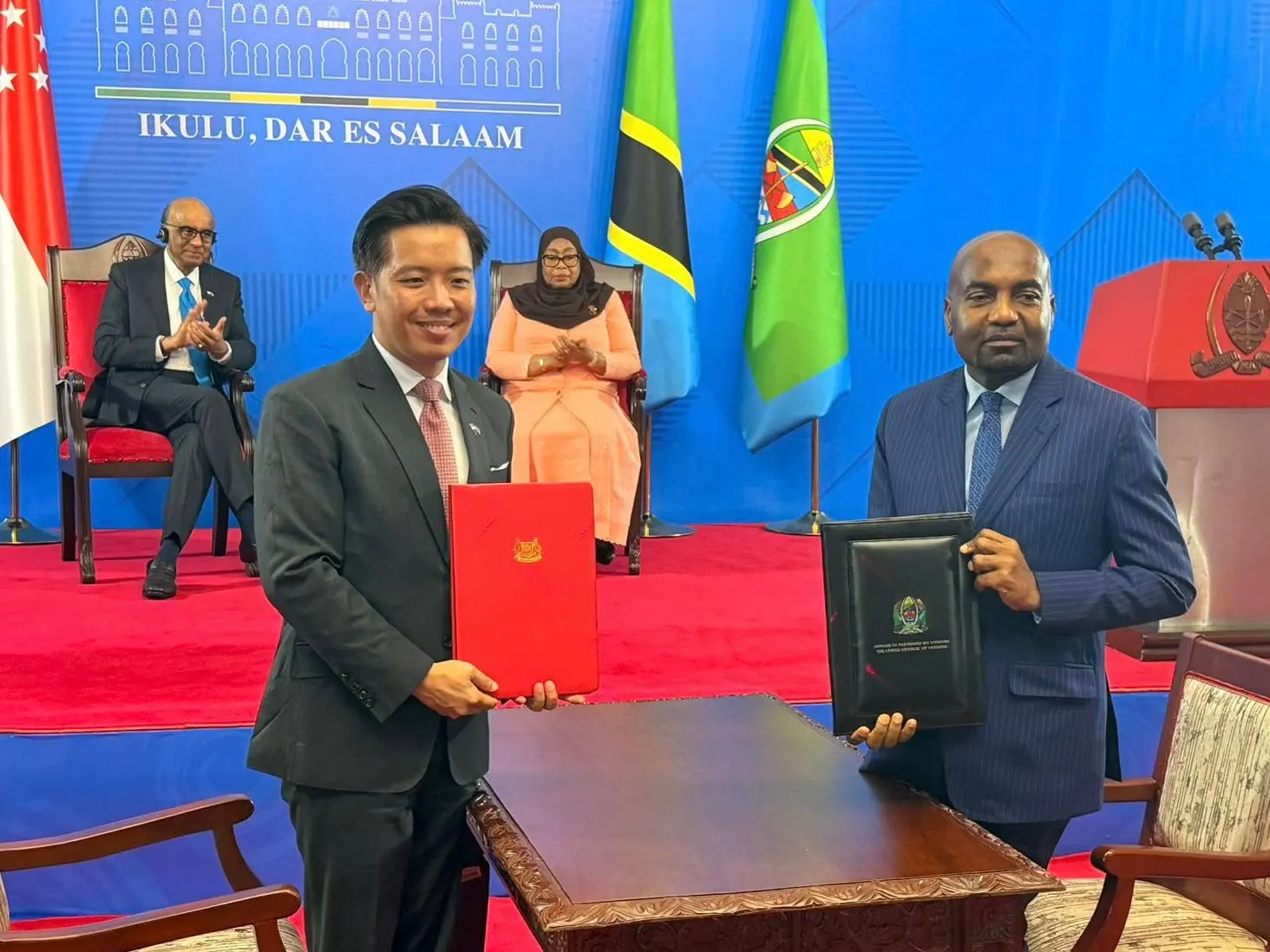
Singapore and Tanzania signed a 2026 MOU to collaborate on Article 6 carbon credits during President Tharman’s visit
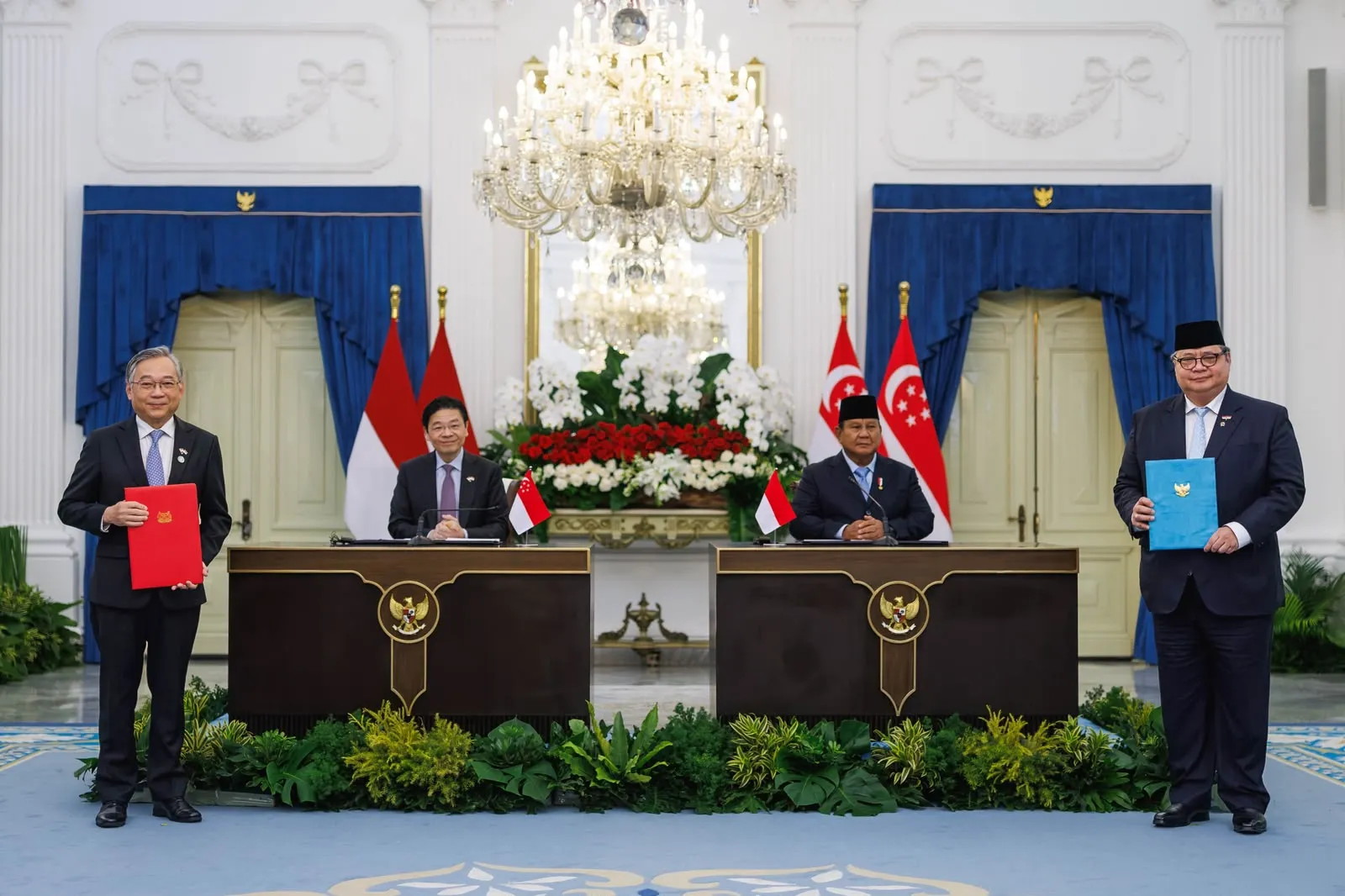
Singapore and Indonesia signed a 2026 MOU to collaborate on Article 6 carbon credits at the Leaders’ Retreat
Building Capabilities Across the Carbon Market Ecosystem
Singapore is building capabilities across the carbon market ecosystem, from government partners to industry.
At the government-to-government level, Singapore provides tailored capacity-building support, through the Singapore Cooperation Enterprise (SCE), to Article 6 partner countries, including the Southeast Asia (April 2026) and LATAM (September 2026) capacity-building workshops.
These initiatives are complemented by Singapore’s support for the Global Green Growth Institute’s (GGGI) Carbon Transaction Facility (CTF), which provides targeted readiness support and dedicated financing to help partner countries develop high-integrity carbon credit projects. Singapore is the first country in Asia to contribute to the CTF, alongside the United Kingdom, New Zealand, Norway and Sweden.
To support industry and ecosystem players, Singapore launched the Singapore Carbon Market Alliance (SCMA) with IETA, connecting over 100 credit sellers and buyers to build knowledge on Article 6 credits and participate in industry-government exchanges.
Underpinning this is the development of talent pipelines: Nanyang Technological University (NTU) established the Carbon Markets Academy of Singapore (CMAS), and the National University of Singapore (NUS) launched a Professional Certificate in Carbon Services and Trading.
Greening Our Energy & Chemicals Sector
The Energy & Chemicals (E&C) sector is Singapore’s second-largest manufacturing sector. Against the backdrop of the global energy transition, the sector is now undergoing significant transformation to stay sustainable and competitive.
At the heart of Singapore’s E&C sector is Jurong Island, a world-class integrated park home to the facilities of over 100 leading global E&C companies. In October 2025, Singapore launched a new vision for Jurong Island to be a low-carbon innovation hub, driving growth in specialty chemicals and sustainable materials, and functioning as a testbed for new energies and low-carbon technology solutions.
Under this new vision, Jurong Island will play a key role in shaping Singapore’s sustainable manufacturing operations and energy transition. In July 2025, French specialty chemicals company Arkema opened its largest global facility in Singapore, dedicated to manufacturing advanced biopolymers made entirely from renewable castor beans.
Companies are also using Jurong Island to pilot next-generation fuels such as Sustainable Aviation Fuel (SAF), hydrogen and ammonia in real industrial settings. In 2025, IHI Corporation and A*STAR launched a bench-scale production test rig to produce SAF from hydrogen and carbon dioxide. Separately, Keppel Ltd is exploring a low- or zero-carbon ammonia solution on Jurong Island for power generation and bunkering.
Find out more here.
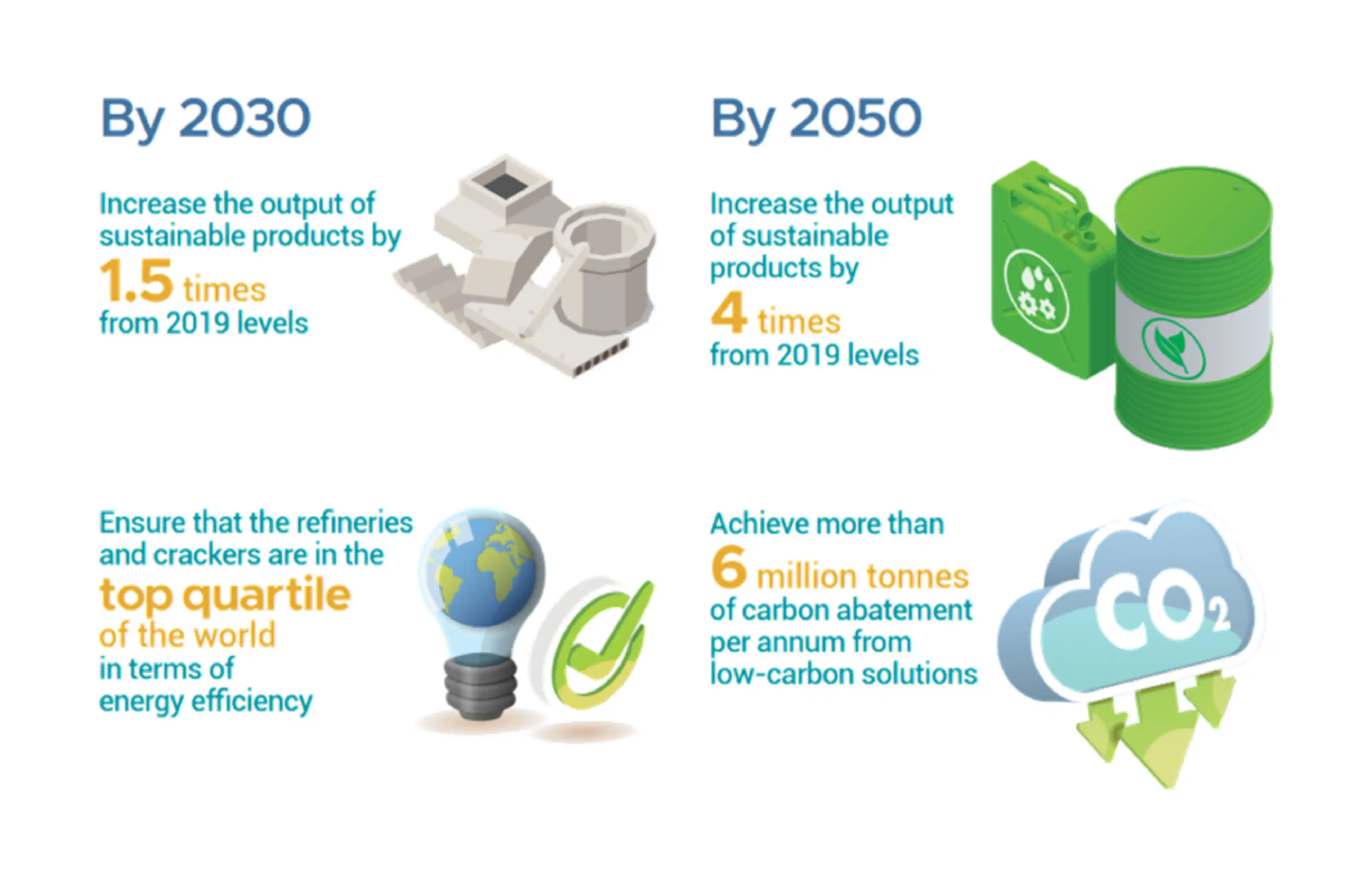
Our targets and aspirations for a Sustainable Jurong Island
Growing Singapore’s Carbon Services and Trading Ecosystem
Singapore sits at the heart of global carbon trade flows. With over 160 carbon services and trading firms, Singapore is emerging as a leading hub and has launched initiatives to boost demand, unlock supply of high-quality credits and strengthen the ecosystem.
Demand – Corporate Guidance
In October 2025, EnterpriseSG, MTI and NCCS published domestic guidance on the voluntary use of carbon credits alongside a credible decarbonisation plan. Singapore later advanced these positions internationally through the Coalition to Grow Carbon Markets’ Shared Principles, published in November 2025. Co-chaired by Singapore, Kenya and the UK, the Shared Principles have been endorsed by 11 governments.
Supply – Carbon Financing
EDB introduced the Carbon Project Development Grant to support early-stage financing for Article 6-aligned projects and launched a donor-advised fund in partnership with TT Foundation Advisors for private capital owners to fund high-quality Article 6 projects.
Ecosystem – Catalysing Participation
MAS launched the Financial Sector Carbon Market Scheme to support financial institutions in carbon markets activity, including financing, underwriting and trading.
Find out more here.
Action for a Resilient Climate (ARC) Coalition
The Action for a Resilient Climate (ARC) Coalition was launched in May 2026 to aggregate corporate demand for high-integrity carbon credits and channel financing towards the projects that generate them. ARC aims to catalyse investment in credible climate solutions, strengthen market confidence and enable broader corporate participation in global carbon markets.
Supported by Bain & Company, Carbon Growth Partners, CATL, Climate Bridge International, Climate Impact X, Enterprise Singapore, GenZero, Mitsubishi Corporation, Osaka Gas, Rubicon Carbon, Tencent, Vale and World Wide Fund for Nature (WWF) Singapore, ARC brings together a diverse group of organisations committed to advancing high-integrity carbon markets.
Recognising that collaboration is key to supporting the growth and integrity of global carbon markets, ARC partnered with the Symbiosis Coalition to exchange best practices on carbon credit quality standards, due diligence and contracting practices.
ARC welcomes organisations that share its mission to join the Coalition in building a more credible and resilient carbon market.
Find out more here.
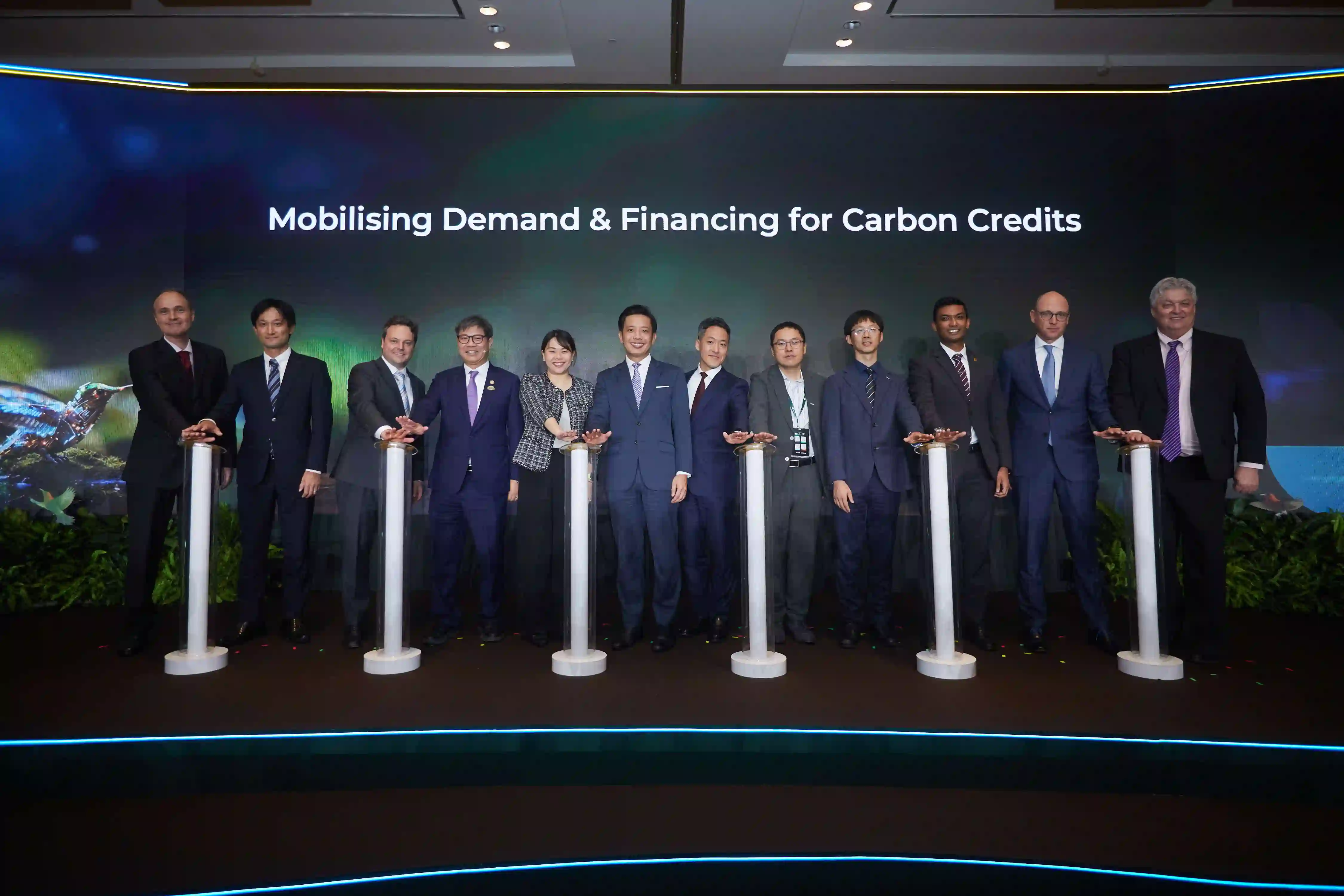
Launch of ARC Coalition, 19 May 2026
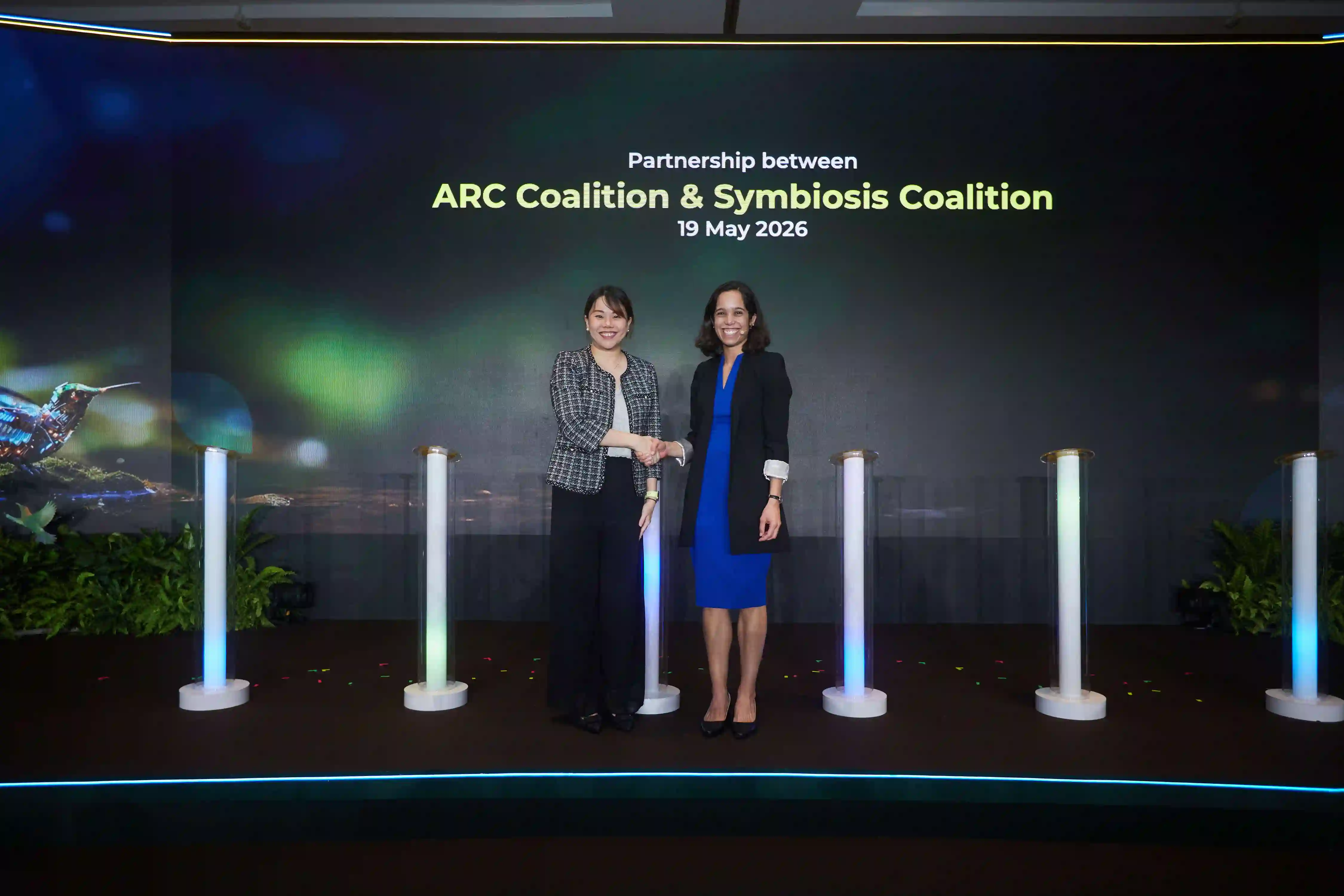
Partnership between ARC Coalition and Symbiosis Coalition
Vibrant Centre for Developing New Sustainability Solutions
The Sustainability Open Innovation Challenge (SOIC) fosters co-innovation among industry partners, government agencies and innovators to drive sustainability.
SOIC drives the development of scalable solutions to address climate issues, from clean energy to sustainable cities. Over the past six editions, more than 100 multinational companies and government agencies have contributed over 120 challenge statements and more than 1,600 innovative solutions from around the world have been received.
Building on these achievements, SOIC will continue to strengthen collaboration between demand drivers and innovators to accelerate the commercialisation and adoption of sustainability innovations.
Find out more here.
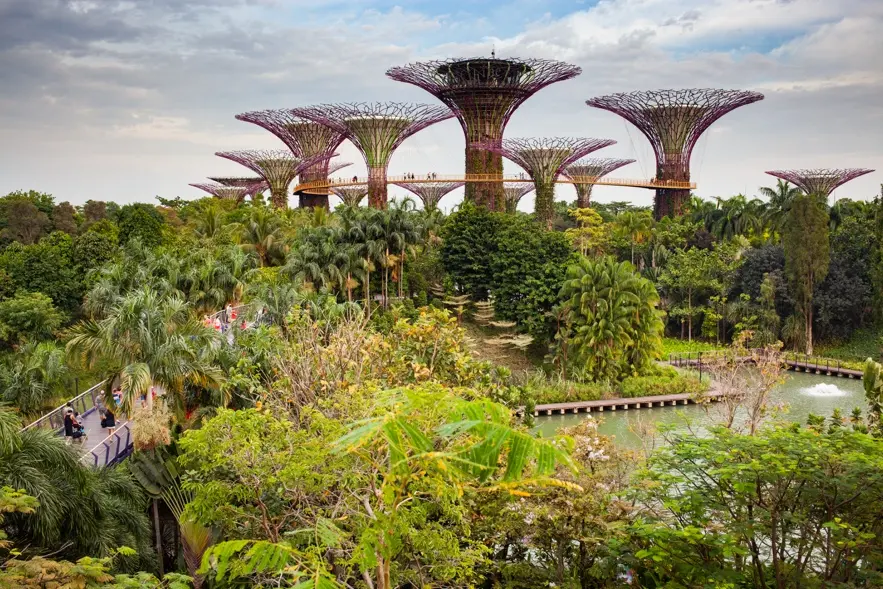
The SOIC fosters innovation among industry partners, government agencies and innovators to drive sustainability
The SOIC fosters innovation among industry partners, government agencies and innovators to drive sustainability
Singapore Climate Ventures
The Singapore Climate Ventures Programme is a 10-week, part-time venture exploration initiative designed to cultivate climate technology innovators across Southeast Asia. The programme is co-organised by Nanyang Technological University (NTU), the National University of Singapore (NUS) and the Agency for Science, Technology and Research (A*STAR), in close collaboration with Temasek, Xora Innovation and Breakthrough Energy.
The programme helps develop entrepreneurial capabilities among participants, ranging from graduate students, research fellows and research associates from these institutions, to support research translation into new climate-focused ventures.
Researcher-led teams engage in hands-on learning across a broad curriculum spanning global climate policy trends, value proposition discovery, techno-economic analysis, investor perspectives, funding landscapes (both global and regional) and business model design, working alongside experienced global climate tech entrepreneurs as they commercialise their climate innovations.
Find out more here.
Breakthrough Energy Fellows – Southeast Asia (BE Fellows SEA) Programme
Breakthrough Energy Fellows – Southeast Asia (BE Fellows SEA) is a partnership between Enterprise Singapore, Breakthrough Energy and Temasek under a multi-year Memorandum of Understanding, with Singapore serving as Breakthrough Energy’s first regional hub outside the United States. The programme supports early-stage climate tech startups through catalytic funding, technical mentorship and access to Breakthrough Energy’s global network of experts, investors and industry partners, helping them venture-build and commercialise solutions for the wider Southeast Asia market.
Since its launch, the cohort has included Singapore-based startups such as CRecTech and Lincore, alongside regional innovators like Qarbotech, spanning areas such as industrial decarbonisation, battery circularity, sustainable fuels, climate-smart agriculture, solar efficiency and infrastructure resilience. These examples reflect how Singapore can serve as a strong base for climate-tech innovators to develop, pilot and scale solutions with regional reach, reinforcing Singapore’s position as a vibrant centre for developing and commercialising climate tech solutions.
Find out more at the links below:
- Five new climate tech startups join Breakthrough Energy Fellows – Southeast Asia in latest cohort
- Breakthrough Energy, Temasek and Enterprise Singapore jointly establish “Breakthrough Energy Fellows – Southeast Asia”, a multi-year effort to accelerate the development of early-stage climate-tech solutions in the region
Supporting Singapore Enterprises to Integrate Sustainability into their Business
The Enterprise Sustainability Programme is a suite of support initiatives to empower Singapore businesses to build sustainability capabilities and capture green growth opportunities.
Resources and training
Enterprises can access the SME Sustainability Hub, a one-stop platform for sustainability-related support provided by the Singapore Government.
There are also sustainability playbooks which provide guidance for businesses to act on sustainability. The sector-agnostic playbooks cover foundational knowledge on sustainability, decarbonisation and Scope 2 emissions reduction. Other playbooks have been developed to guide businesses in logistics, food and beverage and food manufacturing sectors on sector-specific steps and resources.
Advisory and financial support
Enterprises can obtain further support from Enterprise Singapore to develop sustainability strategies, optimise resources, adopt standards, obtain sustainability ratings, create sustainable products and services, embark on sustainability reporting and access solutions to automate the carbon management and reporting process.
The Energy Efficiency Grant (EEG) also supports enterprises in their sustainability journey by co-funding investment in energy-efficient equipment.
Find out more here.
Overview of Enterprise Singapore’s Enterprise Sustainability Programme
Green Financing and Capability Building Support
Enterprises can access Enterprise Financing Scheme (EFS) – Green to develop capabilities, build track records and capture growth opportunities within the green economy. Under EFS – Green, Enterprise Singapore partners with Participating Financial Institutions (PFIs) that underwrite and provide loans to companies. In the event of borrower default, Enterprise Singapore shares a predetermined portion of losses (risk-share), supplementing PFIs’ risk appetite and enabling them to extend financing to companies that would otherwise fall outside their risk threshold.
EFS – Green supports enterprises (including project developers, system integrators and technology and solution enablers) that develop or adopt technologies and solutions to reduce waste, resource use or greenhouse gas emissions, especially in the sectors of clean energy, circular economy, green infrastructure and clean transportation.
Enterprise Singapore’s partnerships with financial institutions also help enterprises build sustainability capabilities and access sustainability-linked loans. These include the DBS ESG Ready Programme, UOB SAGE Programme and OCBC SME Start-ESG Programme, through which enterprises can access support to measure, track and improve their sustainability performance towards achieving their targets.
Find out more at the links below:
DBS ESG Ready Programme
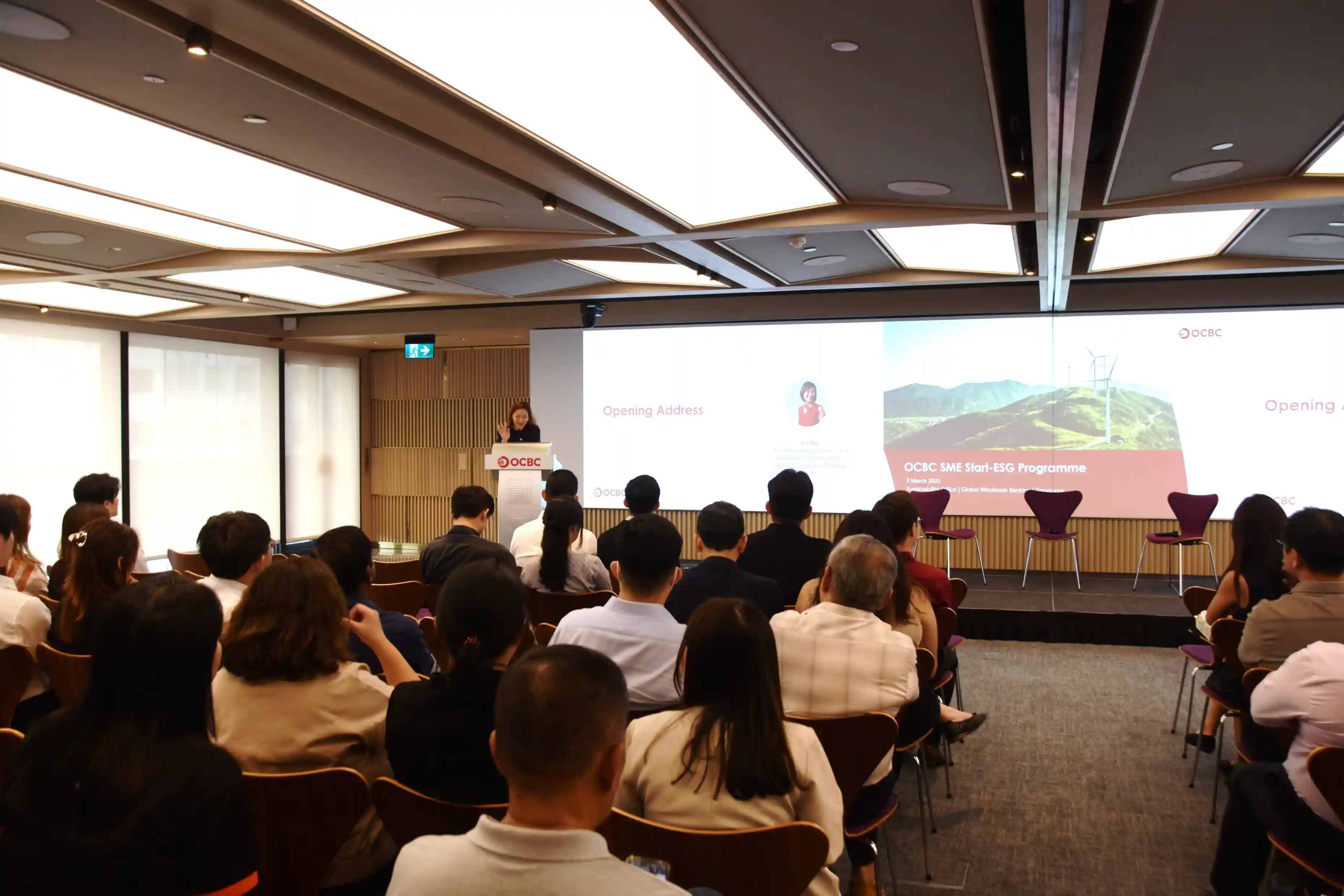
OCBC SME Start-ESG Programme
Industry Partnerships to Support SMEs for Green Transition
Recognising how large corporations can play a role in promoting sustainable action among their suppliers, Enterprise Singapore partners with companies such as City Developments Limited and FairPrice Group on supplier development programmes to support the decarbonisation of their supply chains. These suppliers, especially SMEs, can benefit from initiatives such as sustainability training and assistance with carbon accounting to guide their decarbonisation efforts. To date, we have supported 80 enterprises through these programmes.
To support SMEs in their digital transformation for sustainability, Enterprise Singapore has also partnered with Singtel for the SPEED Programme to help SMEs assess their sustainability levels and implement decarbonisation measures through IoT devices that optimise and monitor energy and resource consumption.
Enterprise Singapore also curates programmes with Trade Associations and Chambers (TACs) and industry players to help local enterprises build sustainability capabilities. This is done through its network of TACs such as the Singapore Business Federation for the Singapore Emissions Factor Registry and the LowCarbonSG Programme with UN Global Compact Network Singapore. Enterprise Singapore also supports the Sustainability Alliance, which brings TACs together to help member enterprises and SMEs progress in their sustainability journeys, driving transformation at scale.
Find out more at the links below:
Strengthen Definitions: Singapore-Asia Taxonomy (SAT) 2.0
The Singapore-Asia Taxonomy (SAT) was launched in December 2023 to provide clarity on which activities can be considered green or transitioning towards green. It is the first taxonomy globally to pioneer the concept of a “transition” category and can facilitate the flow of capital in a way that is contextualised for the Asian region.
In 2026, MAS and the Singapore Sustainable Finance Association (SSFA) undertook a review of the SAT to: (i) update the existing Technical Screening Criteria and thresholds to reflect technological and scientific developments; and (ii) expand the scope of the SAT to include additional transition and enabling activities, in consultation with relevant government agencies and the financial sector.
MAS mapped the SAT to the International Platform for Sustainable Finance’s Multi-Jurisdiction Common Ground Taxonomy (M-CGT). This enhances the interoperability of the SAT alongside the EU Taxonomy and People’s Bank of China’s Green Bond Endorsed Project Catalogue.
These will support the growth of sustainable and transition finance by providing clear and credible frameworks for identifying eligible economic activities.

Strengthen Definitions: Singapore-Asia Taxonomy (SAT) 2.0
Climate-Resilient Financial Sector: Sound Environmental Risk Management Practices
Strengthening the resilience of Singapore’s financial sector to environmental risks is vital to safeguarding the stability and soundness of the financial system.
In March 2026, MAS issued three sets of Guidelines on Environmental Risk Management - Transition Planning (TPG) for banks, insurers and asset managers respectively. The TPG builds on the existing Environmental Risk Management Guidelines and provides financial institutions (FIs) with further guidance on developing effective climate-related risk assessment and management capabilities as they support their customers and investee companies in navigating risks from climate change.
FIs are expected to:
- Assess and manage physical and transition risks in a forward-looking manner
- Engage customers and investee companies to better understand their climate-related risks and practices, rather than indiscriminately divest or withdraw financial services and investments
- Continuously build capabilities as data, tools and methodologies evolve
Globally, MAS contributes to sustainable finance efforts through participation and leadership in international committees and platforms, such as the Network for Greening the Financial System, the International Association of Insurance Supervisors and the ASEAN Capital Markets Forum. These engagements help build expertise and promote alignment among financial authorities on management of climate-related risks by FIs.
Fostering effective environmental risk management to build a resilient financial sector
Climate-Resilient Financial Sector: Enhancing Sustainability-Related Disclosures
The Monetary Authority of Singapore (MAS) supports aligning disclosure requirements with the International Sustainability Standards Board’s (ISSB) Standards to enhance the consistency and comparability of climate-related information. Greater consistency and comparability strengthen market discipline, investor protection and access to new business opportunities.
Mandatory climate-related disclosures (CRD) will be introduced in phases:
- All listed companies will report Scope 1 and 2 greenhouse gas (GHG) emissions from FY2025. Straits Times Index (STI) constituents will lead efforts to implement other ISSB-based CRD from FY2025 and Scope 3 GHG emissions from FY2026.
- Large non-listed companies will report ISSB-based CRD (excluding Scope 3 GHG emissions) from FY2030.
MAS will monitor sector-specific mandatory requirements set out by international standard-setting bodies, such as the Basel Committee on Banking Supervision, in considering sector-specific disclosure requirements for financial institutions in due course.
MAS supports aligning climate disclosure requirements to ISSB Standards
Climate-Resilient Financial Sector: Climate Scenario Analysis Exercise
Climate scenario analysis is an important tool to assess the potential implications of climate change on the financial system. Since 2018, MAS has conducted climate scenario analysis exercises and integrated them into its assessment of financial stability. MAS has been engaging FIs to enhance their capabilities in climate stress testing and scenario analysis to bolster the industry’s resilience against climate-related risks.
In 2025, MAS and the Singapore Sustainable Finance Association (SSFA) organised a workshop involving Singapore banks and technical experts to strengthen FIs’ capabilities in climate risk modelling, stress testing and scenario analysis, focusing on physical risk implications.
In 2026, MAS, with technical assistance from the International Monetary Fund (IMF), is conducting a top-down climate scenario analysis, focusing on the impact of acute physical risks on FIs’ exposures.
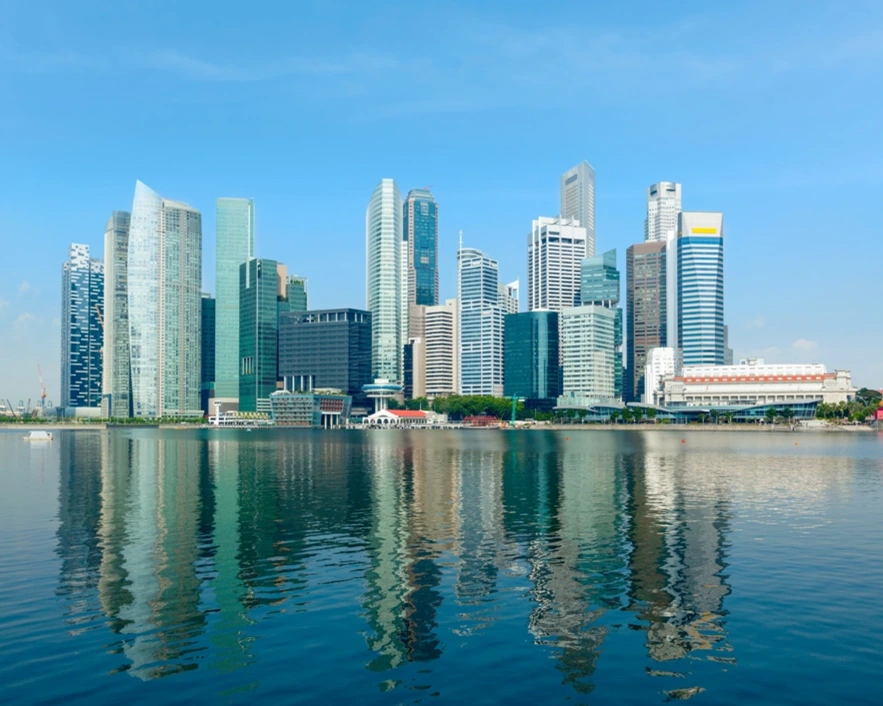
Singapore conducts climate scenario analysis as part of our assessment of financial stability
Green and Transition Solutions: Grant Schemes
Financial Sector Carbon Market Development Grant
Launched by MAS in October 2025, this scheme provides S$15 million over three years till 2028 to help financial institutions overcome near-term cost barriers and build capabilities in carbon markets, increasing their participation across the carbon credit value chain.
Sustainable Bond Grant Scheme and Sustainable Loan Grant Scheme
These schemes support the issuance and uptake of sustainable bonds and loans by defraying the additional costs of engaging independent service providers to validate the sustainability credentials of the bond or loan.
In 2023, MAS enhanced the schemes to include transition bonds and loans, with safeguards to mitigate the “transition-washing” risks and ensure alignment with internationally recognised taxonomy and transition finance principles.
Asia Climate Solutions Design Grant
MAS continues to develop the use of blended finance for climate action in partnership with the private sector and philanthropic foundations.
To build a pipeline of blended finance solutions in Asia, Convergence launched the S$5 million Asia Climate Solutions Design Grant in June 2023 with contribution from MAS.
Facilitating green and sustainable solutions through targeted grants
Green and Transition Solutions: Energy Transition Credits
Energy transition credits are high-quality carbon credits generated through the early and just retirement of coal-fired power plants (CFPPs) and their replacement with clean energy sources, providing an innovative market-based financing mechanism to facilitate the energy transition.
At COP28, MAS launched the Transition Credits Coalition (TRACTION), comprising more than 30 industry partners, to develop practical solutions for these credits to become a credible financing instrument. The first pilot is currently underway in the Philippines, with credit generation expected to cut 1.9 million tonnes of emissions annually. At Ecosperity 2025, Verra launched the first transition credit methodology [VM0052] for early CFPP retirements, while the Rockefeller Foundation announced support for up to 60 projects.
At COP30, TRACTION launched its final report, providing a roadmap to scale high-integrity energy transition credits globally. In tandem, MAS also launched a Statement of Support for Energy Transition Credits, demonstrating early interest from more than 20 public and private entities to support the development and application of these credits through offtake, financing and underwriting arrangements.
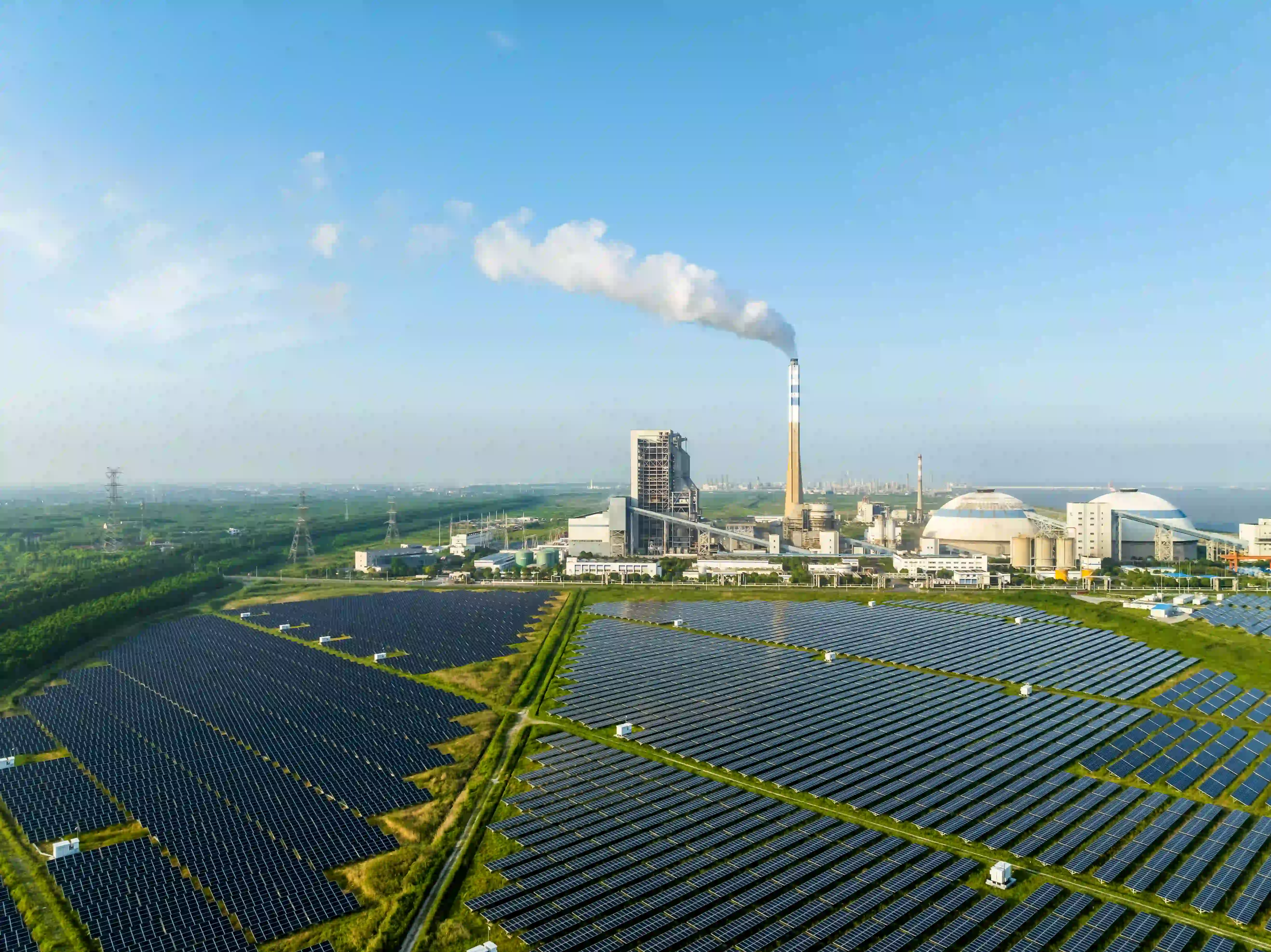
Accelerating the energy transition using high-integrity credits
Green and Transition Solutions: Financing Asia’s Transition Partnership
Launched by the Monetary Authority of Singapore in 2023, the Financing Asia’s Transition Partnership (FAST-P) is a Singapore-led blended finance initiative with global partners to mobilise up to US$5 billion to de-risk and finance transition and marginally bankable green projects in Asia.
The Singapore Government will pledge up to US$500 million in concessional capital, to be matched by partners including governments, DFIs and philanthropies, to crowd in commercial capital.
The first fund under FAST-P, the Green Investments Partnership (GIP), achieved second close with US$800 million committed in total, deploying debt financing for climate-related, marginally bankable sustainable infrastructure in Southeast and South Asia.
FAST-P’s second fund, the Energy Transition Acceleration Finance (ETAF) partnership, achieved its first close with US$250 million in committed capital for its displacement strategy.
FAST-P addresses the region’s climate finance gap with blended and tiered structures, unlocking capital for innovative, marginally bankable infrastructure projects that face financing challenges, especially during development and construction.
Find out more here.

Accelerating transition and green projects
Building Capabilities and Platforms: Centres of Excellence
The Monetary Authority of Singapore (MAS) seeks to develop a vibrant green and transition finance research and talent development ecosystem, comprising Centres of Excellence (CoEs), think tanks and research networks.
Since 2020, MAS has supported the establishment of CoEs in Singapore, such as the Singapore Green Finance Centre (SGFC) and the Sustainable and Green Finance Centre (SGFin). The CoEs conduct Asia-focused multidisciplinary research and training to build sustainable finance knowledge and talent in the region.
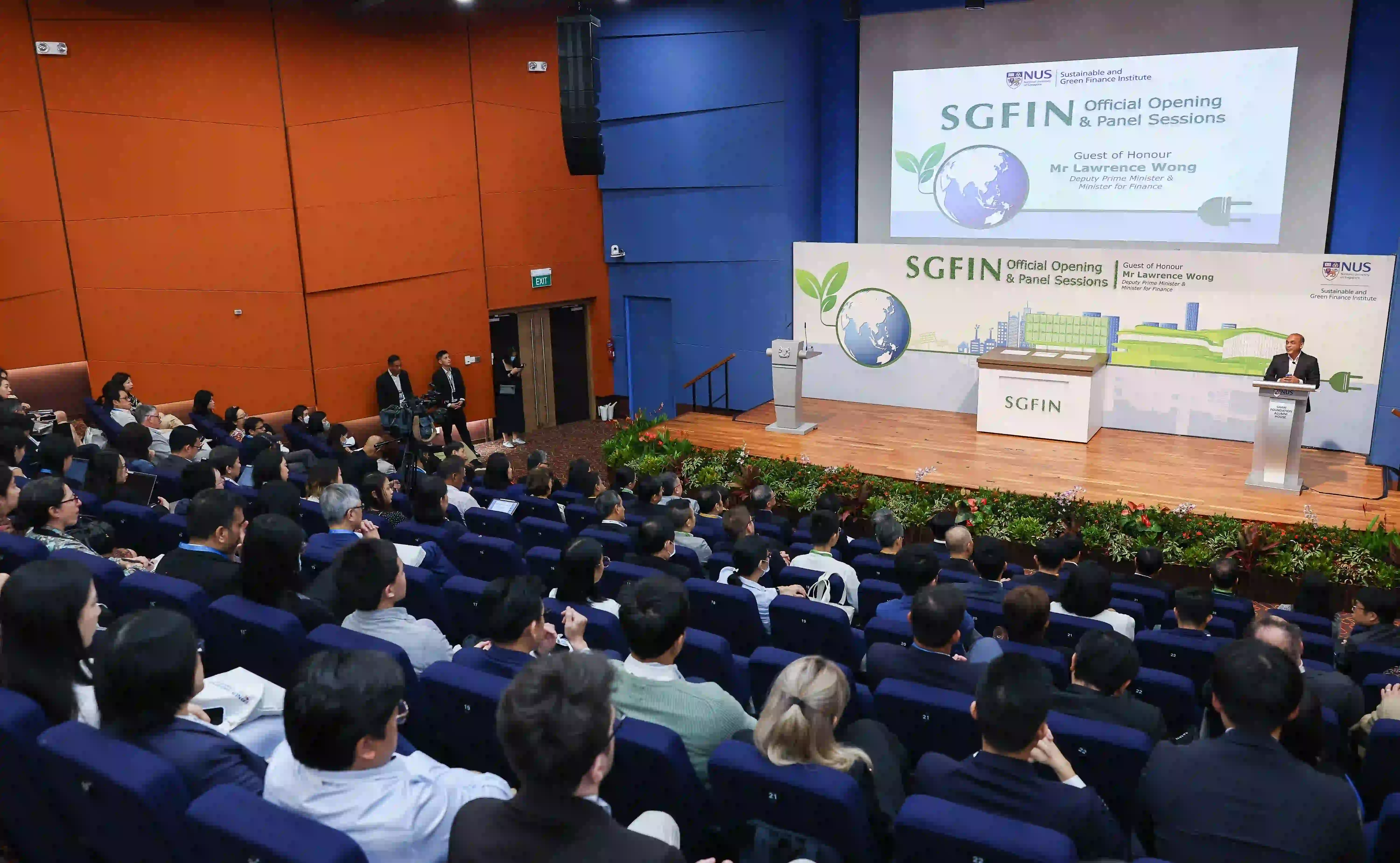
Official Opening at the Sustainable and Green Finance Centre (SGFin)
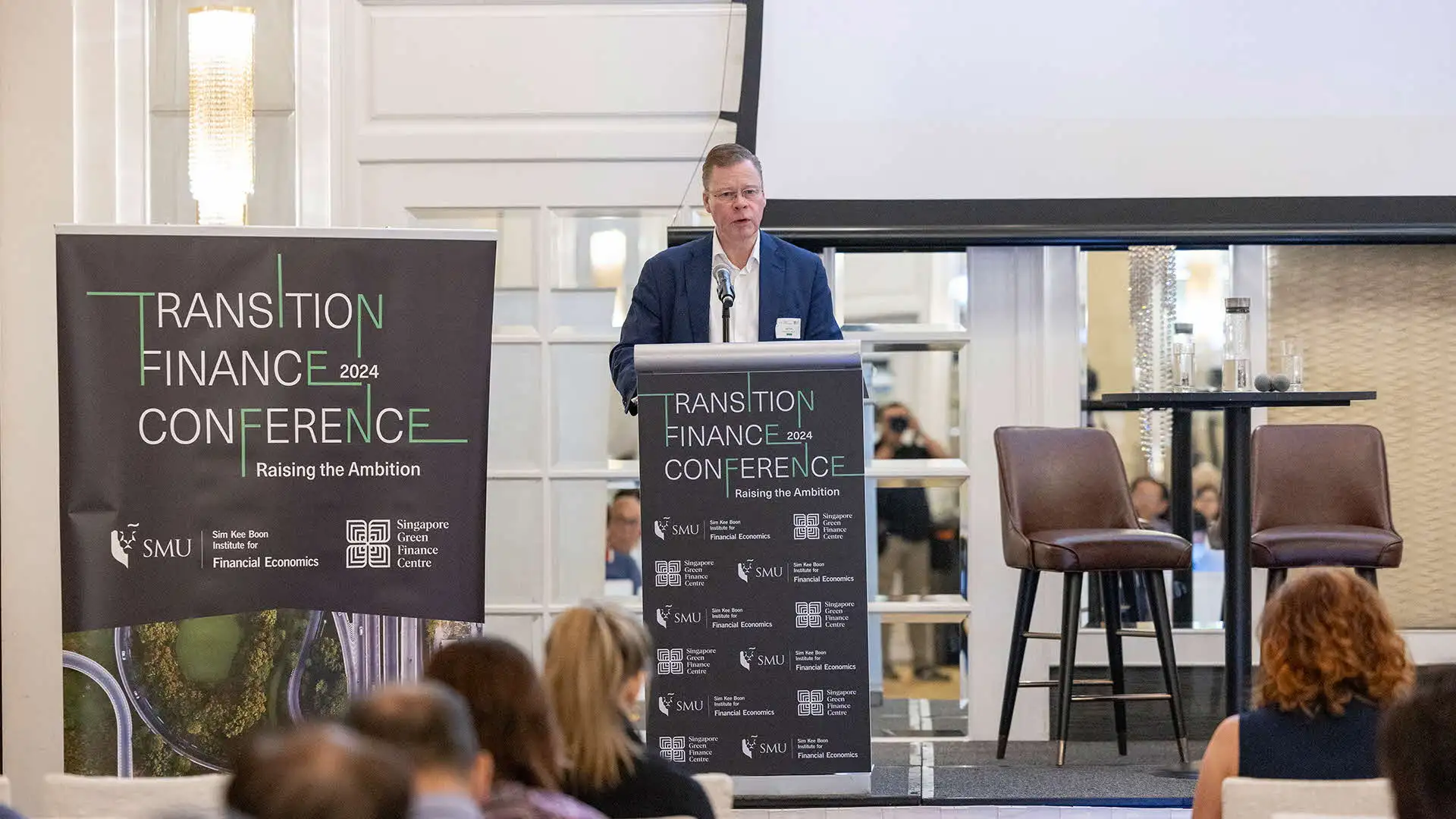
Singapore Green Finance Centre’s Transition Finance Conference
Building a Sustainable Finance Ecosystem with SSFA
Established in January 2024 by the Monetary Authority of Singapore (MAS) and the financial industry, the Singapore Sustainable Finance Association (SSFA) collaborates across the financial and real economy to develop Singapore as a trusted, vibrant and inclusive sustainable finance centre. SSFA welcomes participation from financial and non-financial sectors, policymakers and others. Priority areas span climate mitigation, natural capital and biodiversity, adaptation and resilience, carbon markets, transition and blended finance, taxonomy and insurance solutions.
Our Reach 2024-2026: SSFA has engaged 450+ stakeholders, delivered nearly 200 engagements, launched four market guidance publications and contributed to 30+ international engagements, including COP29/COP30 Finance Day panels and ASEAN Common Carbon Framework (ACCF) meetings.
Regional and Global Features
SSFA’s ACCF work was cited in the 57th ASEAN Economic Ministers' Joint Media Statement and ASEAN Joint Statement to COP30. In H2 2026, SSFA takes the ACCF chairmanship, ahead of Singapore's 2027 ASEAN chairmanship. SSFA was also quoted in VCMI's carbon markets publication, named a Shared Principles supporter and reviewed UNEP's From Silos to Synergies.
Find out more here.
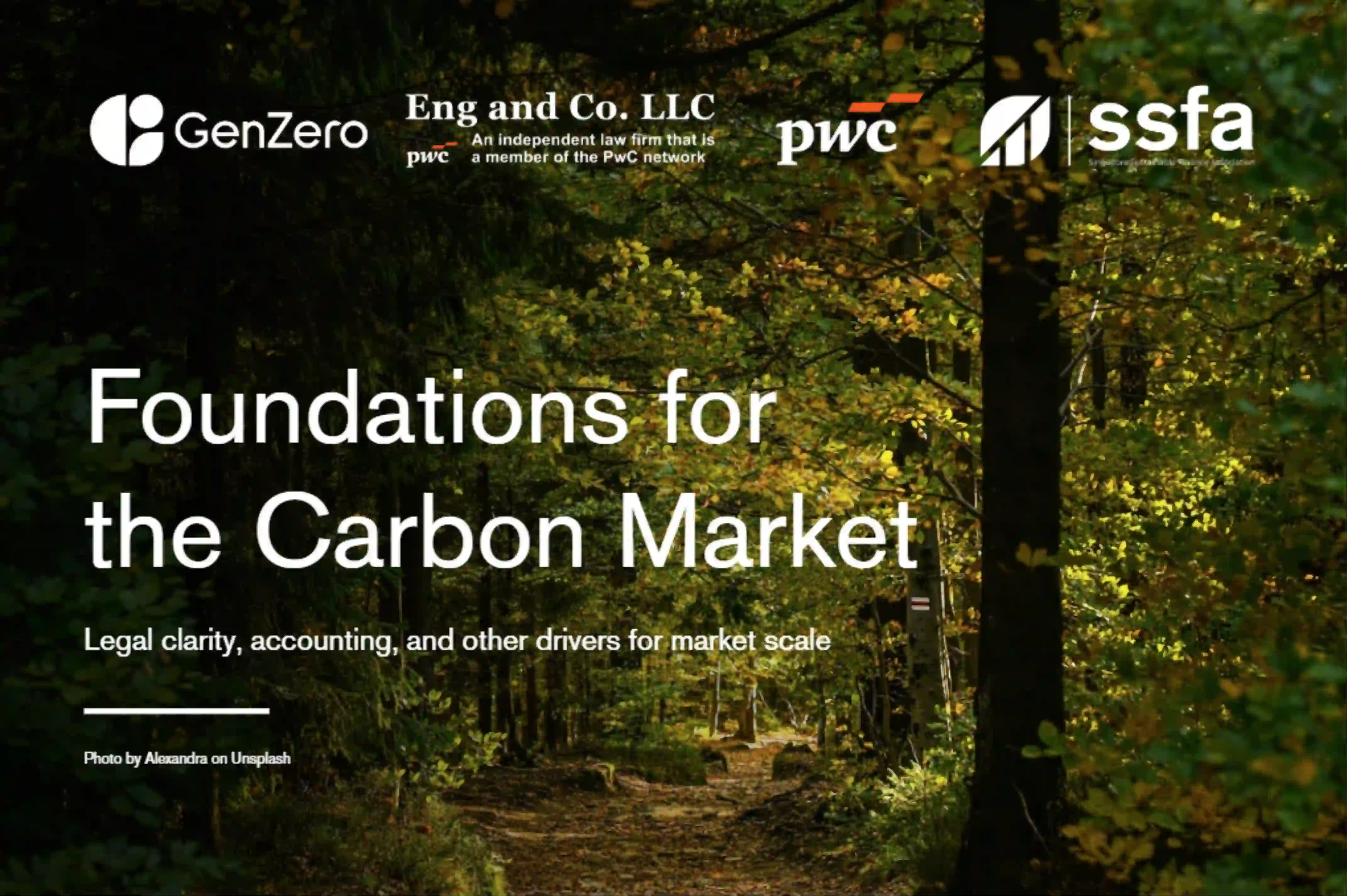
April 2026: SSFA, GenZero and PwC Singapore launched the “Foundations for the Carbon Market” position paper
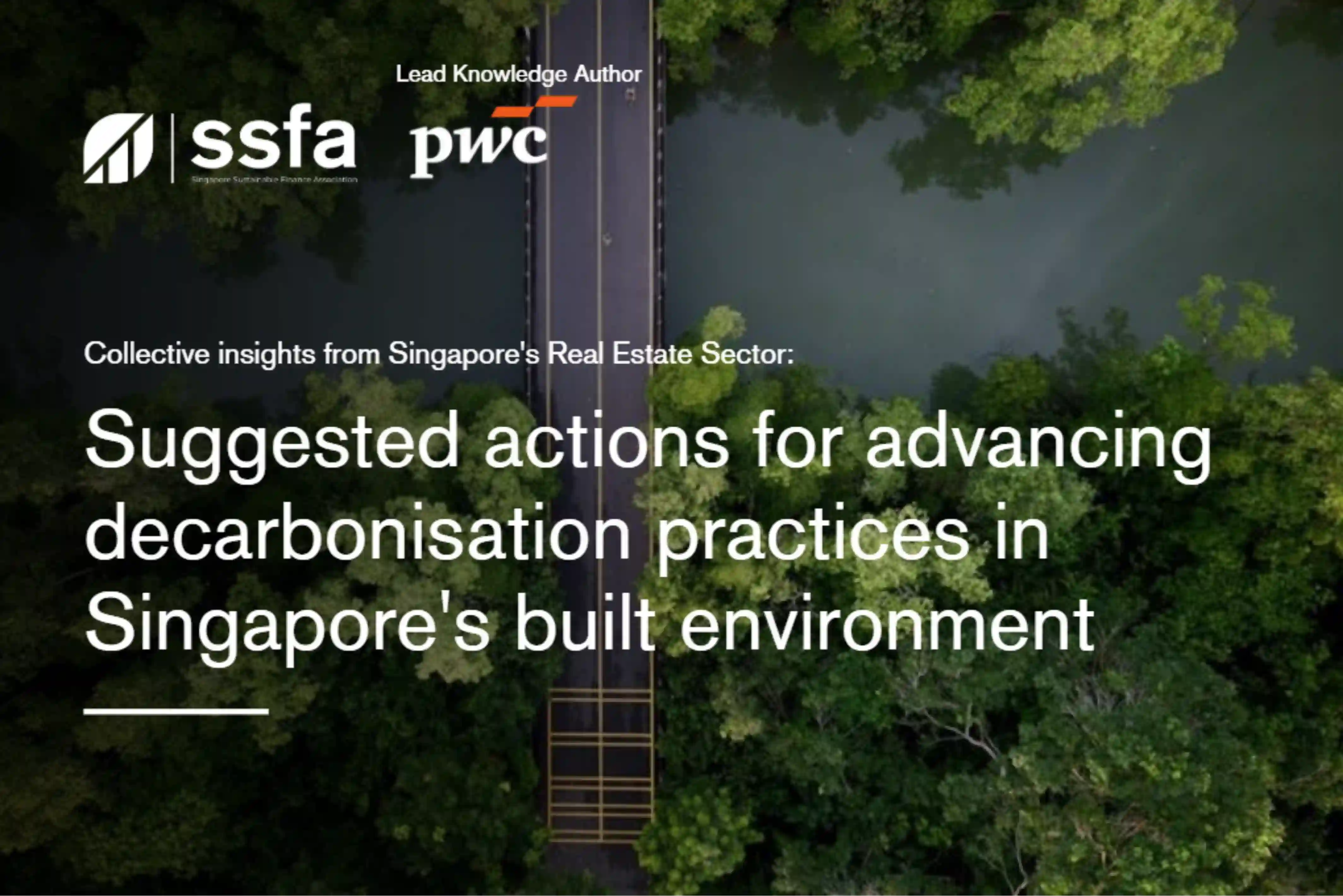
May 2026: SSFA launched the “Collective Insights from Singapore’s Real Estate Sector”
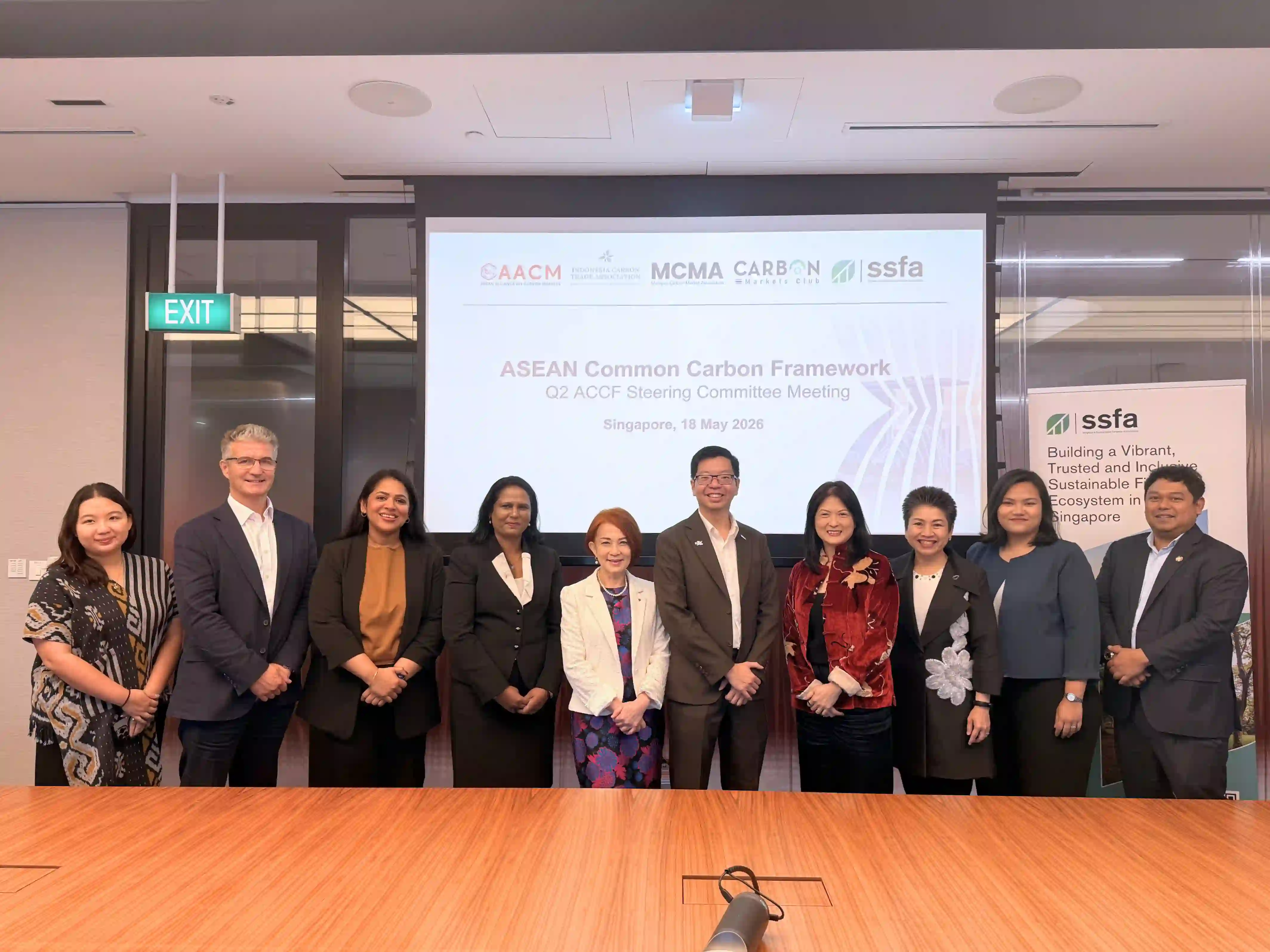
ACCF Steering Committee Q2 2026 Meeting hosted by SSFA during Ecosperity Week 2026
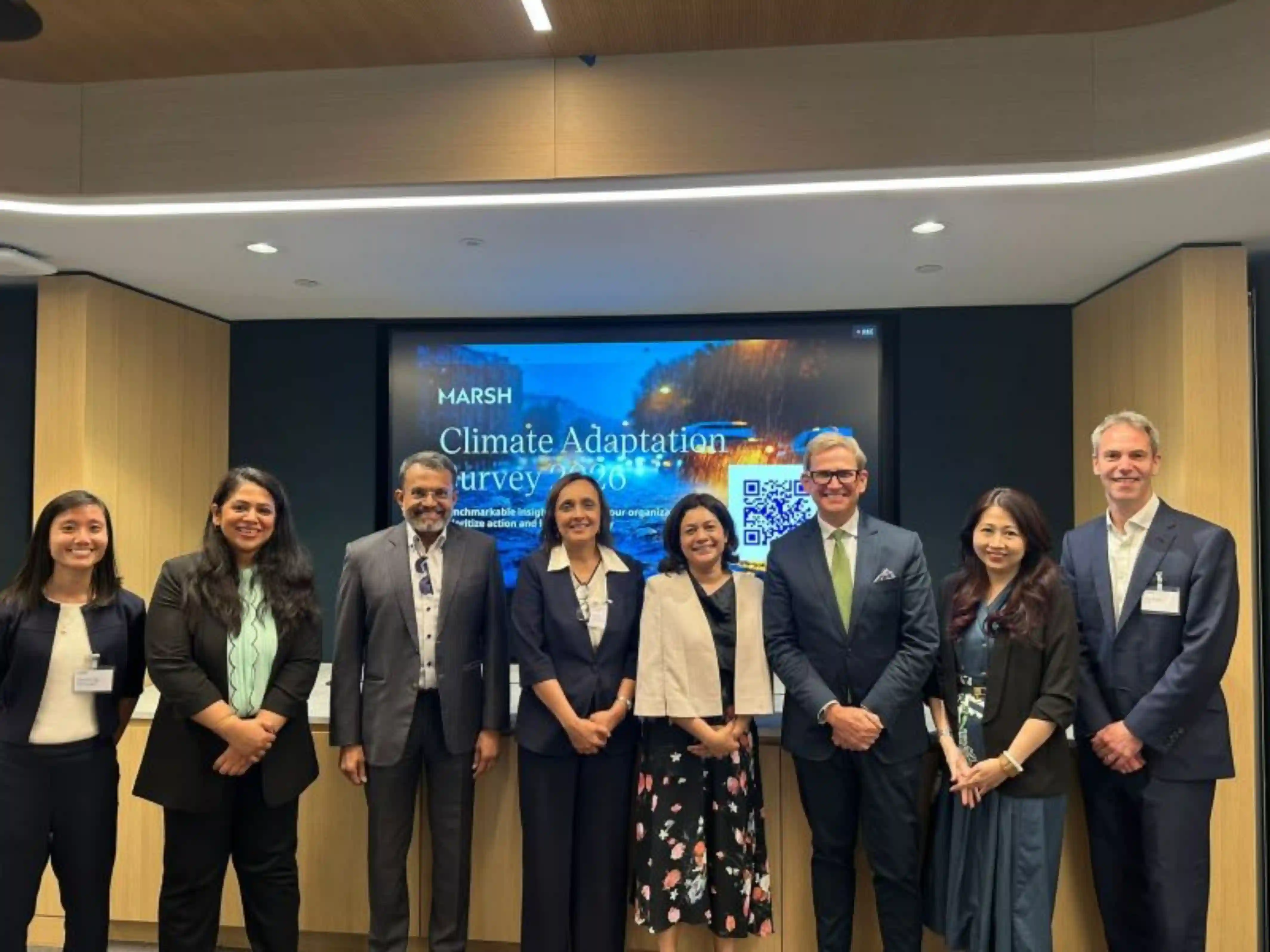
LCAW 2026: SSFA, Marsh and AIGCC explored how insurance can turn adaptation into investable opportunities
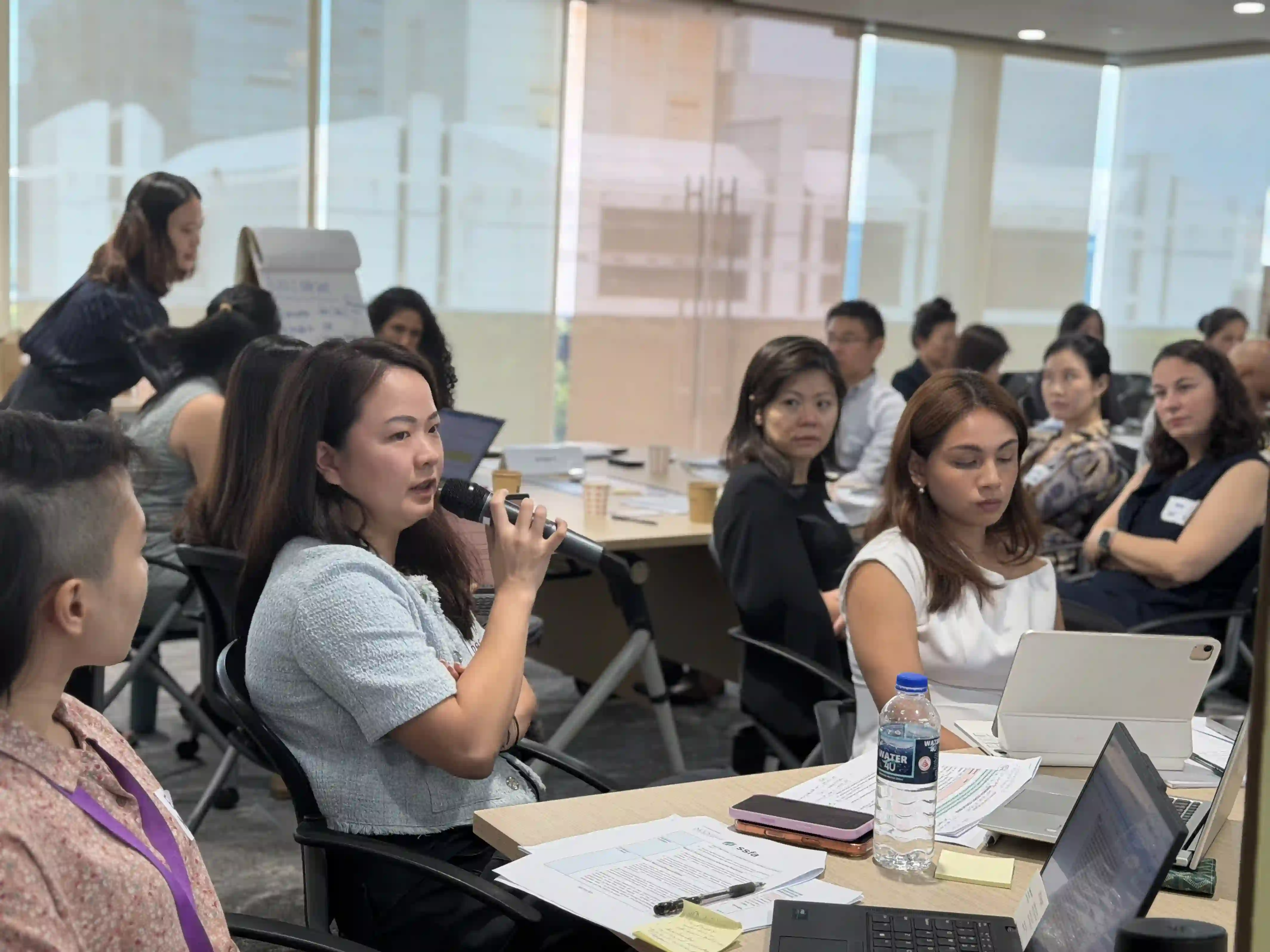
NCCS and SSFA convened banks and insurers to help shape Singapore’s first National Adaptation Plan