Call the 24/7 ScamShield Helpline at 1799 if you are unsure if something is a scam.
HTML
HTML
HTML
Partners
Our partners are key to our climate adaptation ecosystem. Bringing different perspectives and strengths to the challenge, they each contribute to our shared resilience through policy, innovation and implementation.
Discover the organisations working together to shape a more resilient and sustainable future.
Sponsors
The Singapore Pavilion brings together leaders, innovators and changemakers for key discourse on climate action. It also serves as a showcase and platform for Singapore’s projects and partnerships. Generous support from our sponsors help bring this to life, allowing new and important ideas to be shared globally, and fruitful collaborations to be created.
Meet the organisations supporting Singapore’s Pavilion and participation at COP31.
Platinum Sponsors

Gold Sponsors



Silver Sponsors



Supporting Sponsors



In-Kind Sponsors



List of Partners
- AECOM
- AlphaGeo
- AP. Moller-Maersk
- ARC Coalition
- ARUP
- ASEAN Centre for Energy
- Asia Pacific Sustainable Aviation Centre (APSAC)
- Asian Development Bank
- Beep
- BeZero Carbon
- BlackRock
- BNPP
- Boston Consulting Group
- Carbon Growth Partners
- Carbon Markets Academy of Singapore, NTU
- Cedars Digital
- Centre for International Law, NUS
- Changi Simei Youth Network
- City Developments Limited
- CIX
- Climate Analytics
- Conservation International
- Cora Environment
- Culinary Anthropologist
- Dajin Offshore
- Dassa
- DBS
- DHL
- Digital Strategy and Communications, Stewardship Asia Centre Singapore
- Ecosecurities
- EDP
- Environmental Defense Fund
- EY
- EY-Parthenon
- Fortera
- Gaziantep Metropolitan Municipality, Türkiye
- GenZero
- Global Centre for Green Fuels
- Global Centre for Maritime Decarbonisation (GCMD)
- Global Wind Energy Council
- Gold Standard
- Greenairy Pte Ltd
- Heritage Business Foundation
- ICVCM
- International Air Transport Association (IATA)
- International Capital Market Association
- James Cook University
- Keppel
- Kinetic Coalition
- KPMG
- Landprocess
- Maersk Mc-Kinney Møller Center for Zero Carbon Shipping
- Mandai Wildlife Group
- Marsh
- Ministry of Social & Family Development
- Mitsubishi Corporation
- Moya Analytics
- Nanyang Technological University
- National Research Foundation Singapore
- National Service
- National University of Singapore (NUS)
- Neste
- Net Zero Center of Excellence, Univers
- NUS Sustainability Academy
- OCBC
- Olam Agri
- Philippines Securities and Exchange Commission
- Private Infrastructure Development Group (PIDG)
- PwC
- Rubicon Carbon
- S&P
- Schneider Electric
- SEADRIF Insurance Company
- Securities and Exchange Commission, Thailand
- Sembcorp Industries
- Siemens Energy
- Singapore Environment Council
- Singapore Green Building Council
- Singapore Management University (SMU)
- Singapore Maritime Academy/Singapore Poly
- Singapore Sustainable Aviation Fuels Company (SAFCo)
- Singapore Sustainable Finance Association
- SJ Group
- Standard Chartered Bank
- Sumitomo Corporation
- Sustainable Finance Institute Asia
- Sustainable Living Lab (SL2)
- Sustainao
- Temasek
- Temasek Trust - Centre for Impact Investing and Practices
- Terra Natural Capital
- The Interchange
- The Nature Conservancy
- TÜV SÜD
- TÜV SÜD Asia Pacific
- UN Environment Programme Finance Initiative (UNEP FI)
- University of Manchester
- UOB
- UOB Asset Management
- VCMI
- Vestas
- WWF
Modals
Modals
Modals
BNP Paribas
A leader in banking and financial services in Europe, BNP Paribas operates in 64 countries and has over 180,000 employees, including more than 146,000 in Europe. The Group has key positions in its three main fields of activity: Commercial, Personal Banking & Services for the Group's commercial & personal banking and several specialised businesses including BNP Paribas Personal Finance and Arval; Investment & Protection Services for savings, investment and protection solutions; and Corporate & Institutional Banking, focused on corporate and institutional clients.
Based on its strong diversified and integrated model, the Group helps all its clients (individuals, community associations, entrepreneurs, SMEs, corporates and institutional clients) to realise their projects through solutions spanning financing, investment, savings and protection insurance. The Group has a historic footprint in four eurozone markets: Belgium, France, Italy and Luxembourg.
The Group is rolling out its integrated commercial & personal banking model across several Mediterranean countries, Türkiye, and Eastern Europe. As a key player in international banking, the Group has leading platforms and business lines in Europe, a strong presence in the Americas as well as a solid and fast-growing business in Asia-Pacific.
BNP Paribas has implemented a Corporate Social Responsibility approach in all its activities, enabling it to contribute to the construction of a sustainable future, while ensuring the Group's performance and stability.
Novel Outcome Bond Structured by BNP Paribas Funds Ecosystem Restoration
Structured by BNP Paribas, the Spekboom Restoration Outcome Bond mobilises USD$25m of institutional capital for a nature project in South Africa's Eastern Cape region. This $120m 14-year World Bank bond issuance supports large-scale ecosystem restoration, aims to create 11,000 jobs and accelerate sustainable development.
The bond features a unique coupon blending fixed and variable components. The variable coupon is directly tied to carbon removal units (CRUs) generated by the restoration project led by Imperative, a Singapore-based specialist. Amazon's commitment to purchase CRUs at fixed prices via a long-term offtake offers visibility into the cash flows necessary to attract institutional bond investors to support the project. The bond cofinances the Spekboom project alongside institutional investors, including GenZero.
BNP Paribas, through a hedging transaction, channels the financing of the project. This model demonstrates how verified restoration, corporate demand, and public finance turn measurable environmental impact into sustainable financial returns.
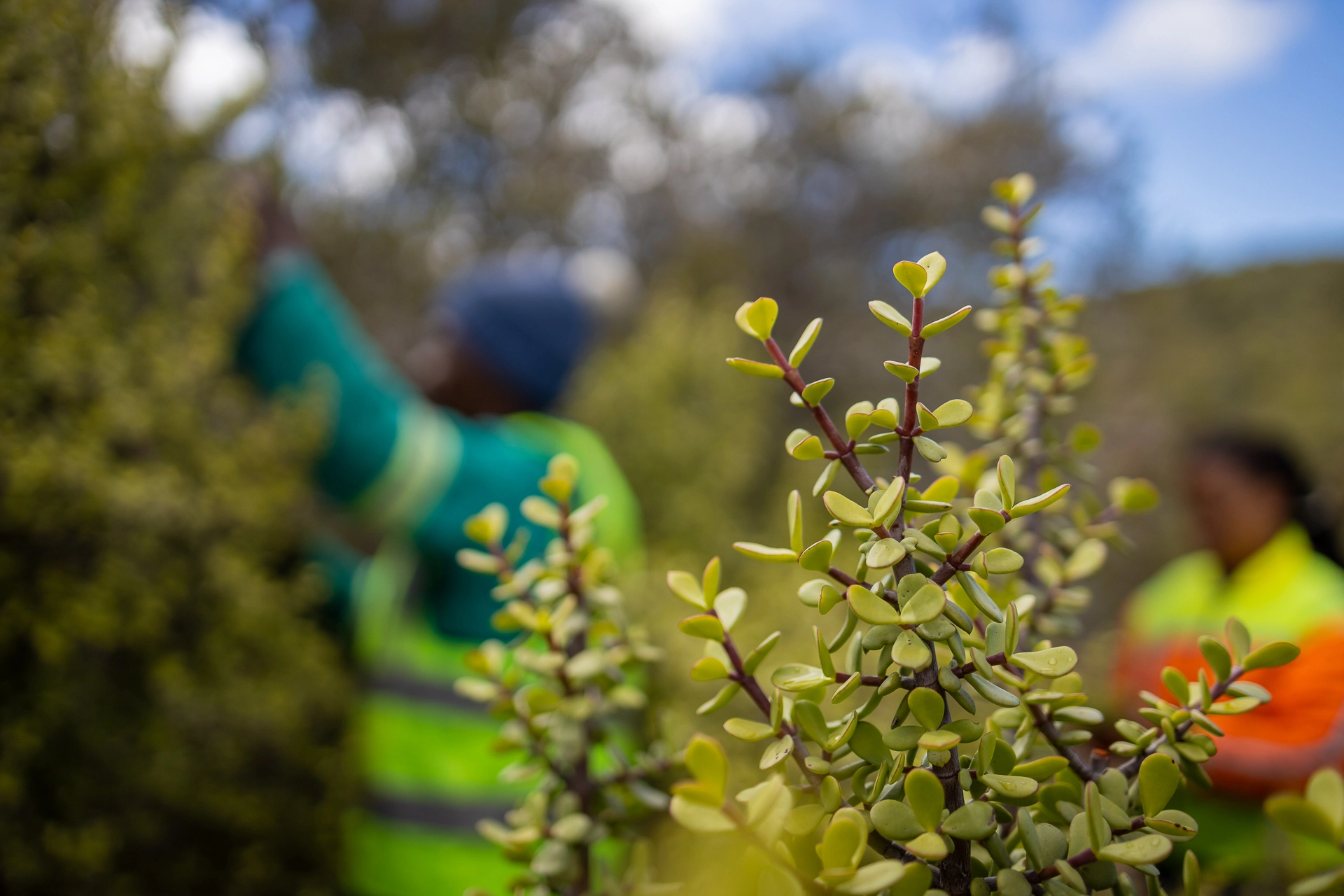
The Spekboom ecosystem restoration project aims to create 11,000 jobs
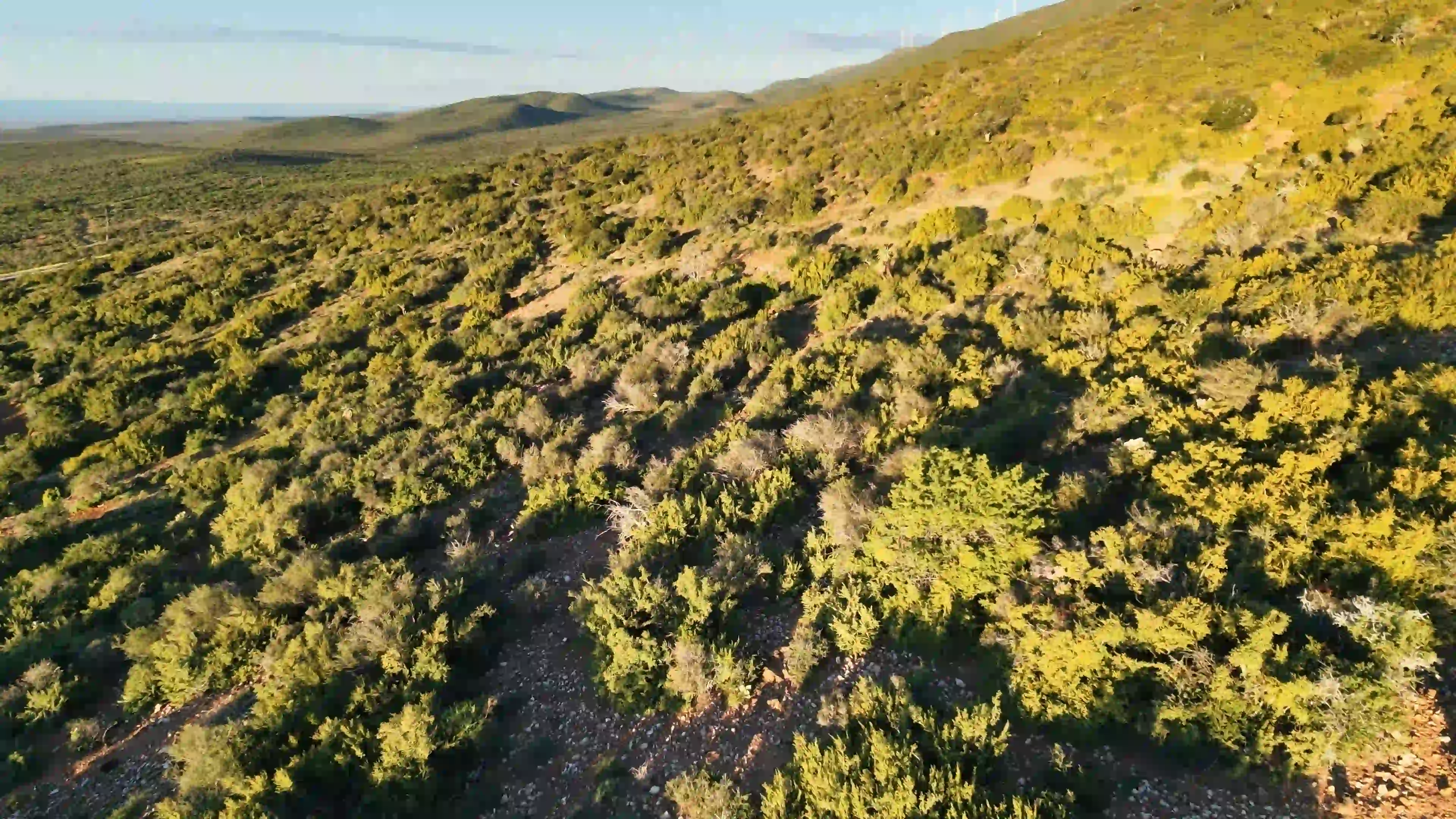
Ecosystem restoration in South Africa's Eastern Cape
Univers
Univers is a global technology company at the forefront of Physical AI, shaping how intelligence is applied to the world's critical infrastructure. Through its Platform for Physical AI, Univers connects more than 450 million devices and manages over 1,070 GW of energy assets worldwide.
By combining AI, industrial data, operational technology and deep domain expertise, Univers enables governments and enterprises to optimize energy, buildings, transportation and industrial systems at scale. Through the intelligent orchestration of physical infrastructure, Univers is helping to accelerate the energy transition and advance a more resilient, sustainable future.
Building Singapore's First AI-Powered District-Level Smart Grid
Singapore builds sustainability directly into infrastructure from the earliest stages of planning, making low-carbon, digitally enabled systems part of urban development and growth.
Punggol Digital District (PDD), developed by JTC, will be home to Singapore’s first district-level smart grid, connecting solar power, battery storage and major energy systems, from EV charging to district cooling.
Connected to PDD's Open Digital Platform, the smart grid will use AI and real-time data to store excess solar power, shift demand away from peak periods and optimise energy use across the district. This will generate over 3,000 MWh of clean energy yearly, reduce carbon emissions and support national grid stability.
As Singapore's business district for the digital economy, PDD brings sustainability and operational efficiency together from day one. The smart grid will demonstrate this in action, with the potential to power growth at scale.
Find out more at https://univers.com/
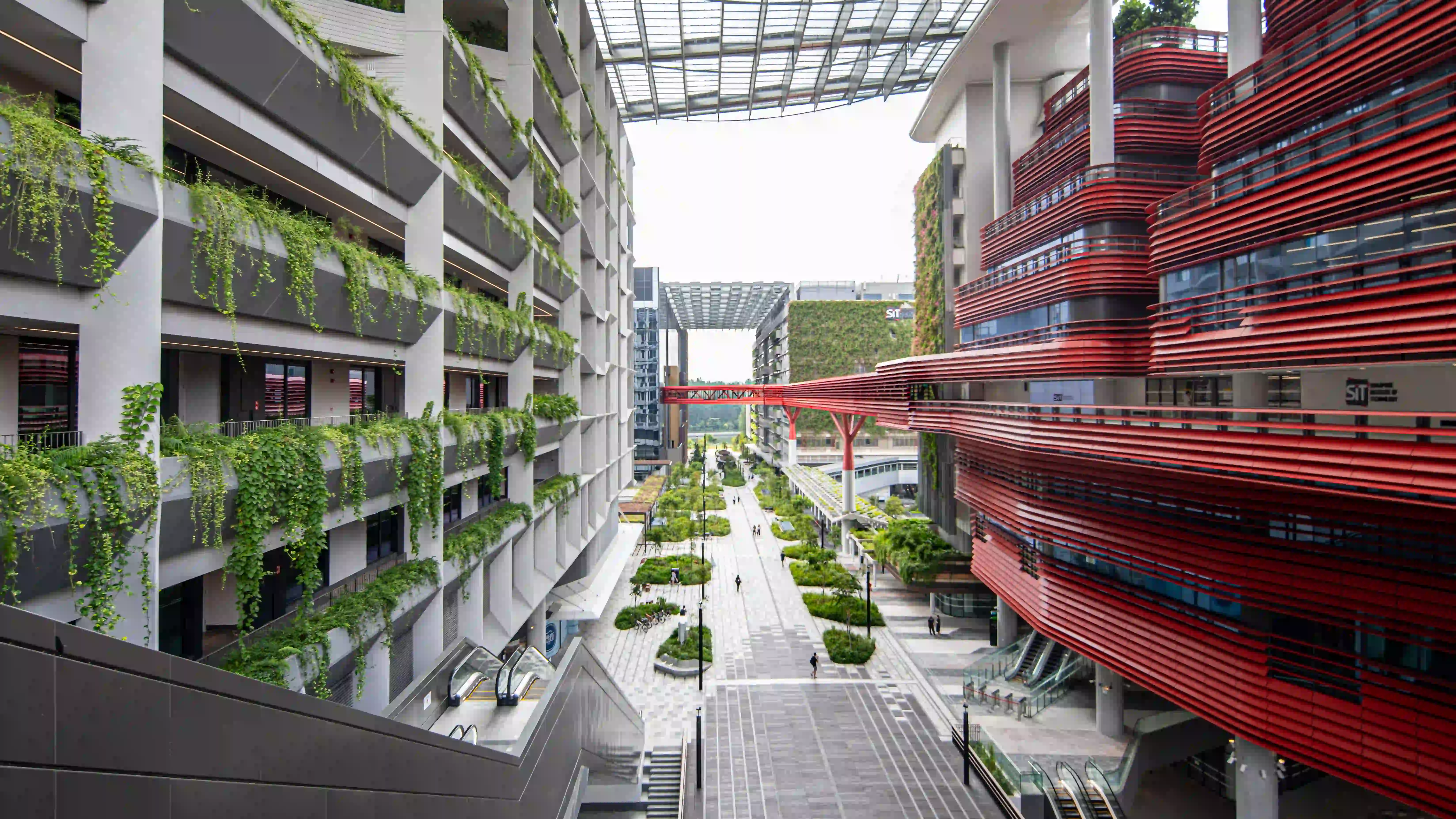
Punggol Digital District: an urban business district for the digital economy
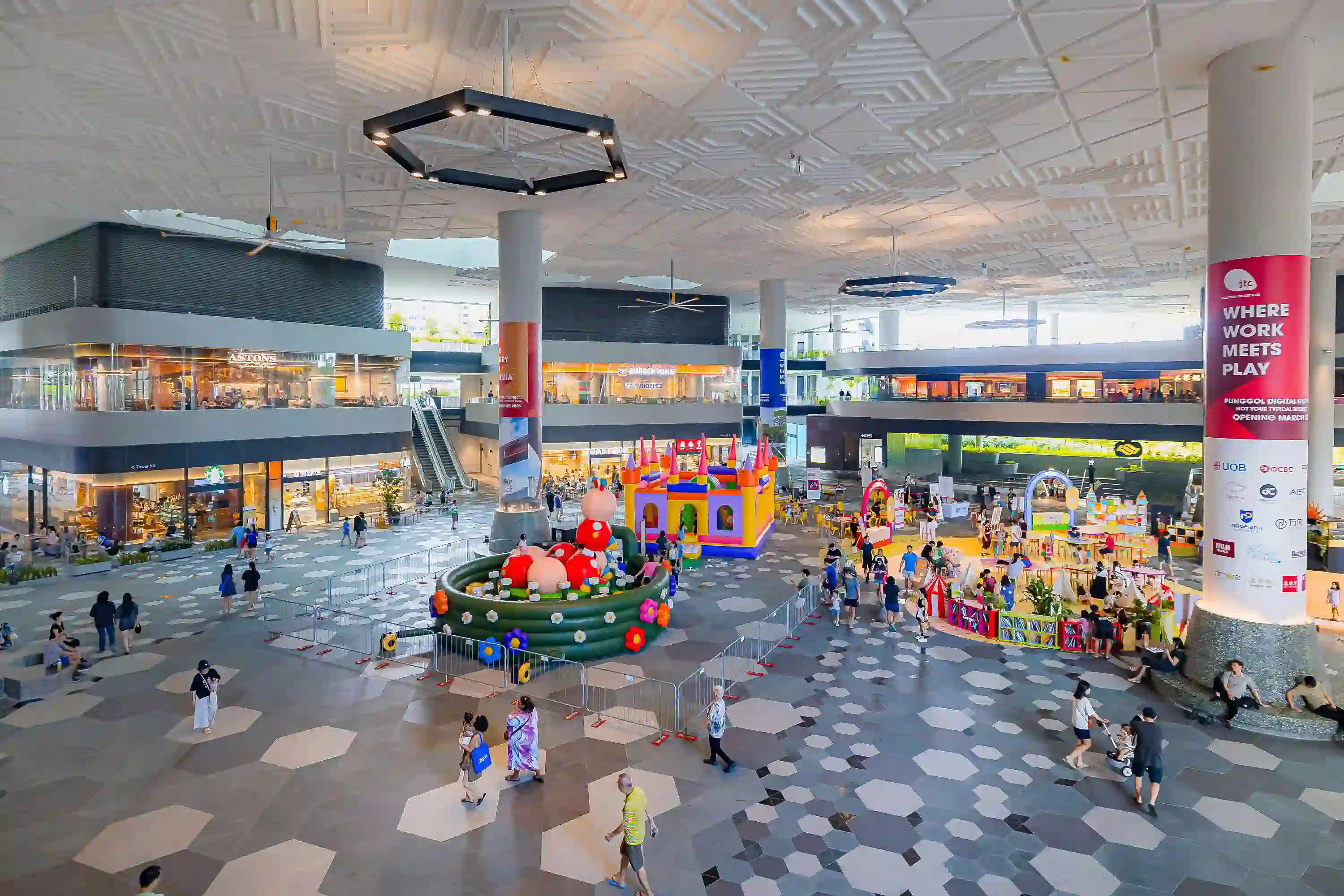
A smart grid powering work, life and play at Punggol Digital District
Inside Singapore's first AI-powered district-level smart grid.
AI-Assisted HVAC Optimisation at Changi Airport Terminal 3
Changi Airport Group (CAG) worked with Univers on an optimisation project involving selected air-handling units at Changi Airport Terminal 3’s South Finger Pier. The solution uses operational data from the air-handling units and existing building control systems to dynamically adjust indoor temperature throughout the day, achieving better energy efficiency.
The project enabled CAG to assess how data-driven optimisation could reduce cooling energy use while maintaining a comfortable indoor environment.
This forms part of CAG’s continuing exploration of technologies that may support improved energy efficiency and data-driven management of airport engineering systems.
Find out more at https://univers.com/
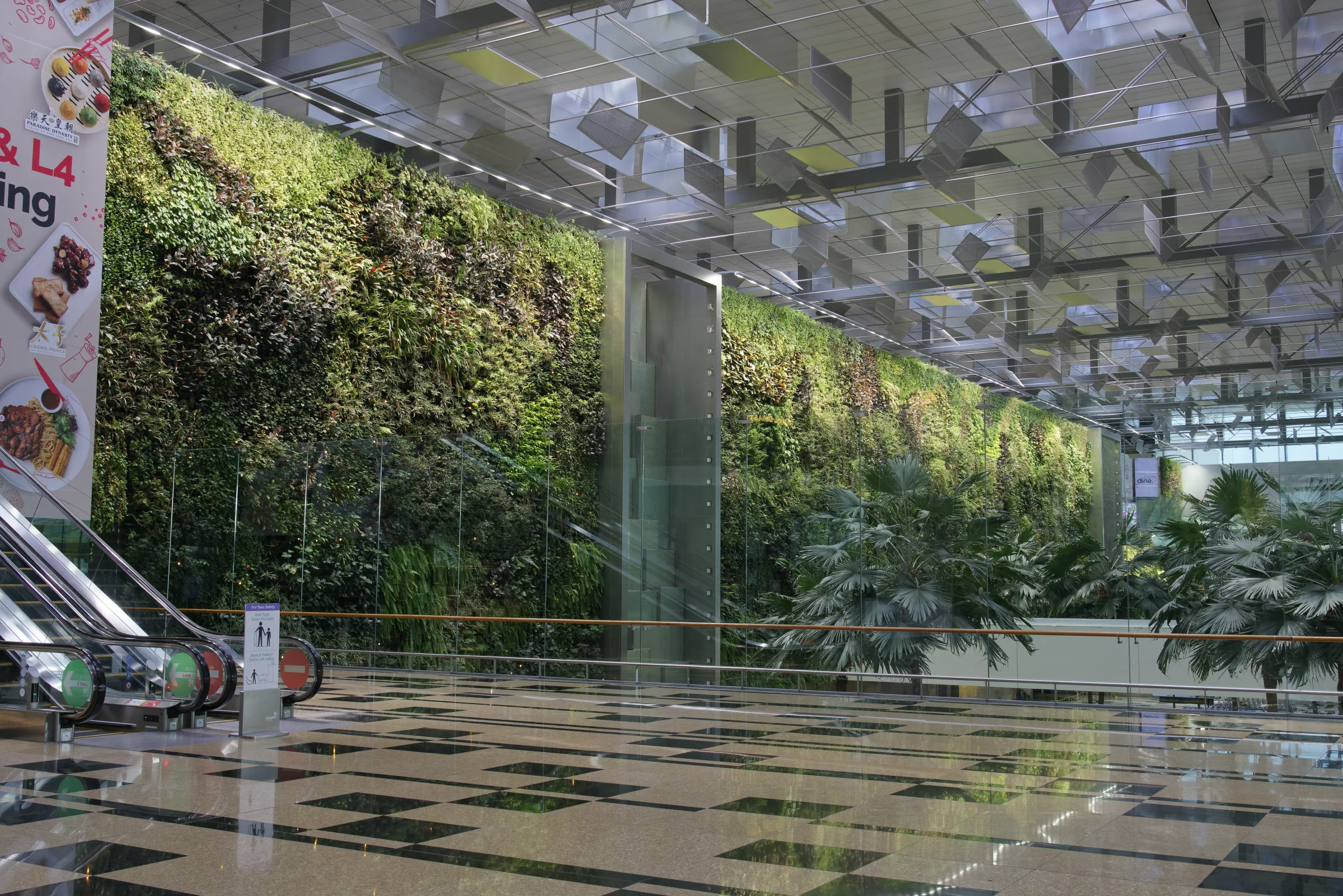
Living green walls at Terminal 3 reflect Changi's climate-conscious design ethos
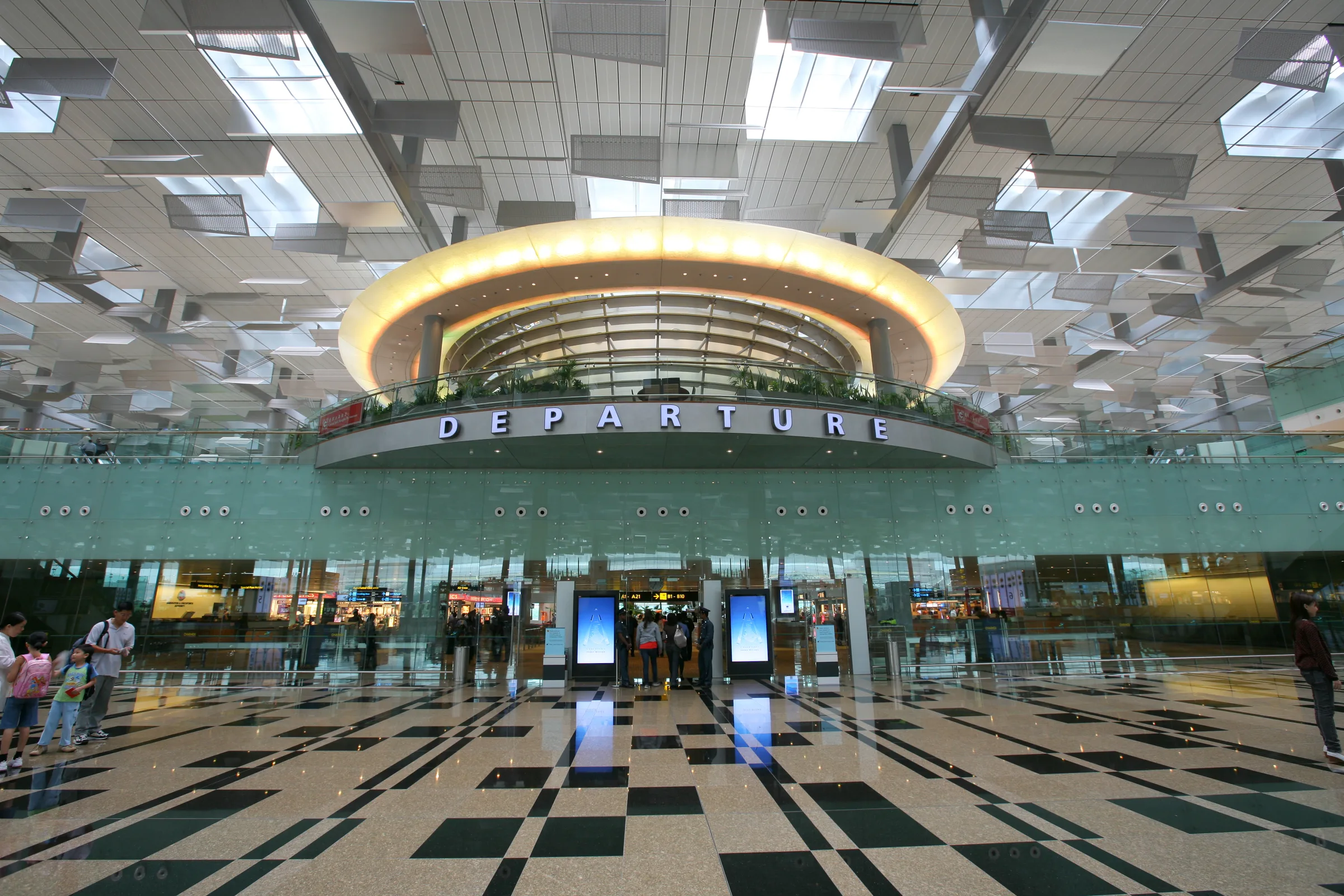
Terminal 3's departure hall, where AI-optimised HVAC keeps travellers comfortable
Harnessing Technology for a Smarter, More Sustainable Gardens
Gardens by the Bay has welcomed more than 115 million visitors since opening in 2012 and was ranked the third best attraction in the world by Tripadvisor’s 2026 Travelers’ Choice Awards.
Today, technology plays a vital role in maintaining the Gardens and enhancing the visitor experience. Powered by Univers’ Platform, the Gardens connects sensors, systems and facilities to enable spatial visualisation, real-time insights and dynamic analytics. This provides greater visibility across operations, helping teams monitor systems, respond to issues more efficiently and optimise the environment for a safer, more comfortable and seamless experience for millions of visitors.
These efforts complement the Gardens’ net-zero ambitions. Among them is the use of biomass technology to convert horticultural waste into renewable energy, transforming waste into a valuable resource while supporting more efficient operations and contributing to a smarter, more sustainable future.
Find out more at https://univers.com/
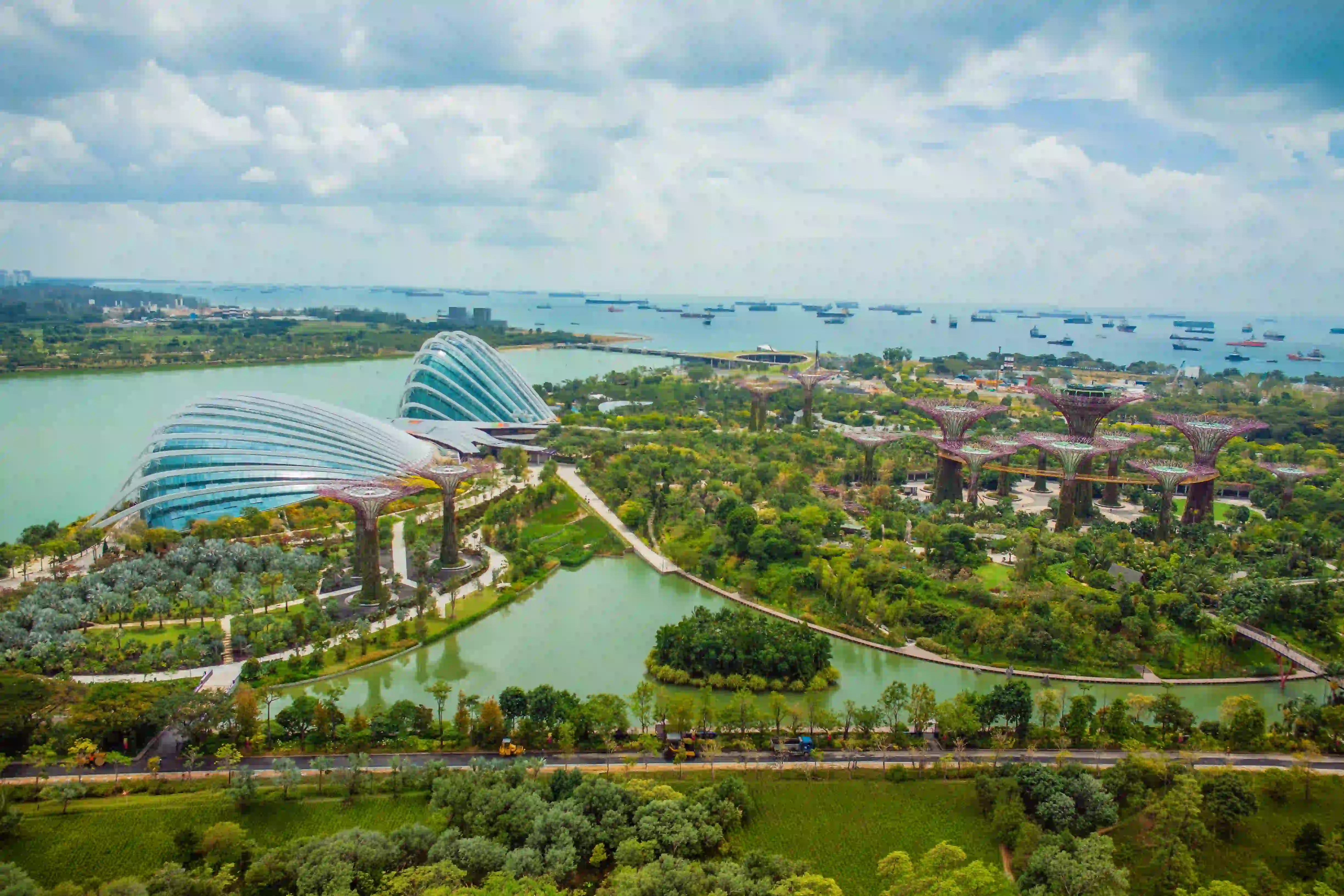
A sustainable Gardens, powered by smart systems and biomass energy

The Flower Dome welcomes millions in a smart, connected environment
Smart technology helps power Gardens by the Bay's net-zero goals

GenZero
GenZero is an investment platform company focused on accelerating decarbonisation globally. Founded by Temasek, it seeks to deliver positive climate impact alongside long-term sustainable financial returns by investing in opportunities with the potential to be nurtured into impactful and scalable solutions.
Driven by a common purpose to decarbonise for future generations, GenZero recognises the need for a holistic and integrated approach to achieving a net-zero world. It adopts a flexible investment approach across three focus areas to drive climate impact: (i) nature-based solutions that help protect and restore natural ecosystems while benefiting local communities and biodiversity; (ii) technology-based solutions that deliver deep decarbonisation impact; and (iii) carbon ecosystem enablers that support the scaling of carbon markets and enable broader industry decarbonisation.
For more information on GenZero, visit www.genzero.co.
Kwahu Landscape Restoration Project (KLRP)
The community-led restoration project in Kwahu, Ghana, led by AJA Climate Solutions (AJA) and supported by GenZero, exemplifies Singapore's commitment to advancing climate action despite global headwinds.
Launched in 2024, the project aims to restore 51,000 hectares of degraded land by planting native shade trees alongside plantain, cocoa and other agroforestry crops, regenerating biodiversity and creating livelihoods for up to 25,000 community members through agroforestry and training.
In 2025, the project secured a S$15 million contract in Singapore's first government tender for nature-based carbon credits, demonstrating how ambition is being translated into tangible outcomes. As one of the first projects intended for the Singapore-Ghana Article 6 Implementation Agreement, the project underscores the importance of international collaboration in driving high-integrity carbon markets, delivering real climate impact and socio-economic benefits.
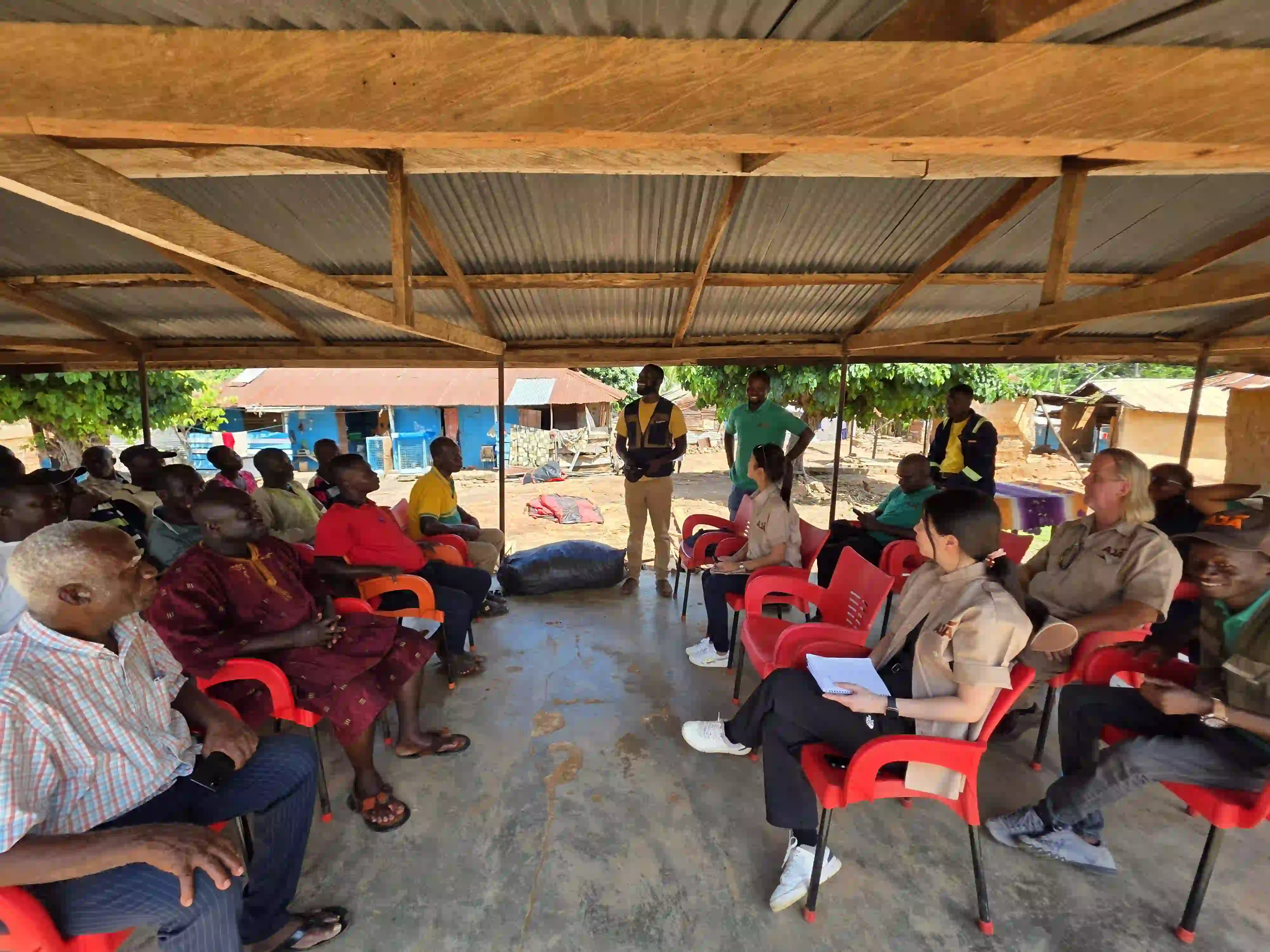
Local field officers from AJA educating traditional chiefs and community members on the project
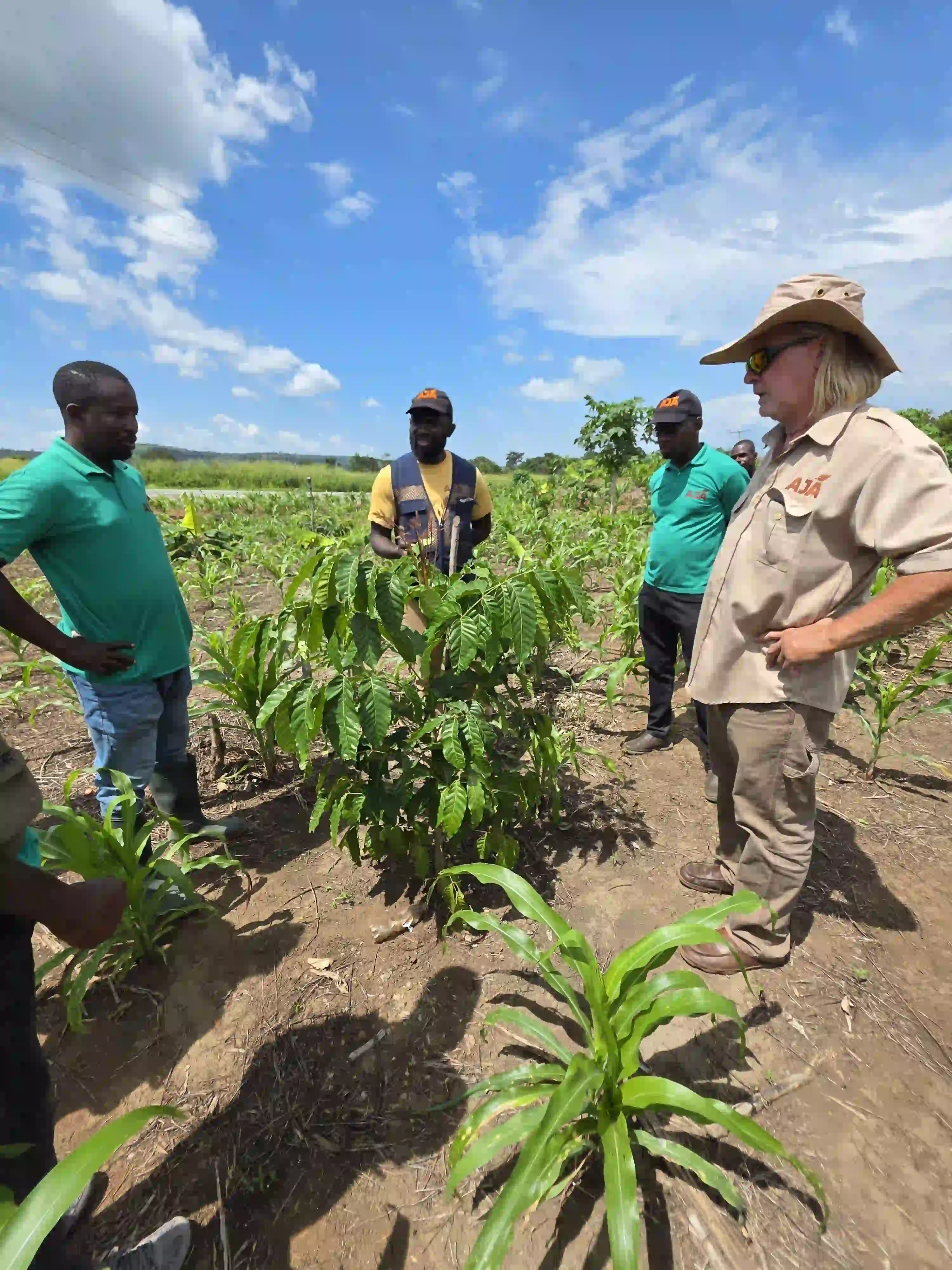
AJA CEO John Mason reviews sapling's progress with field staff
Restoring Degraded Land in Colombia through Project Brújula Verde
Project Brújula Verde is a landscape-scale afforestation and reforestation project dedicated to recovering degraded land in Colombia's Orinoco River Basin.
The project uses a "restoration bridge" approach involving mix of native and non-native species to enhance soil biodiversity and carbon to support the creation of conditions for a sustainable permanent forest over the long term.
The project works with local communities to improve access to basic services, education and employment. The operational partner, Inverbosques, is one of the largest private employers in the region.
GenZero has provided patient capital to support the project's expansion to 20,000 hectares and the development of a nursery with a production capacity of 3.5 million native seedlings.
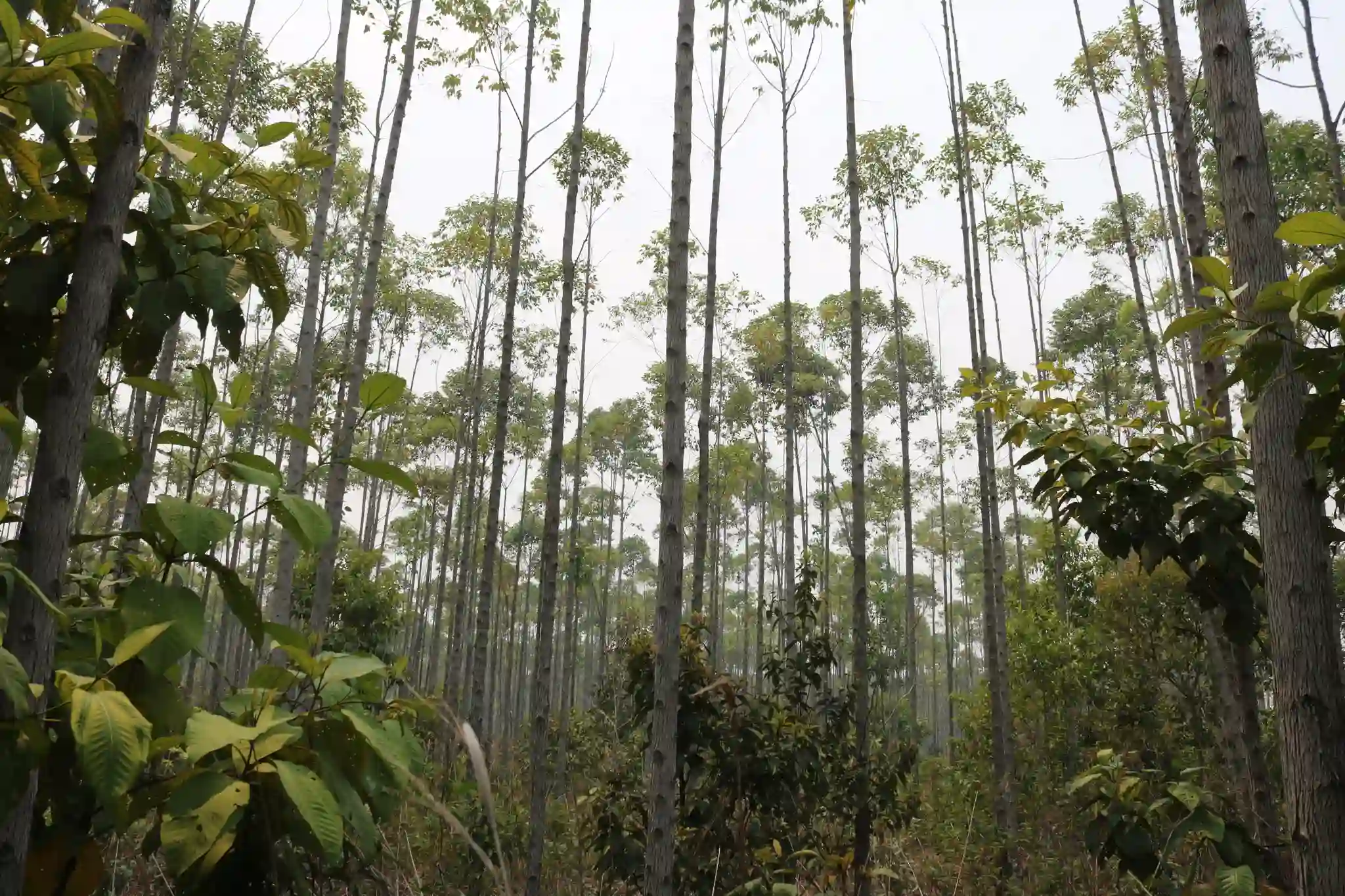
Restored section at Brujula Verde project
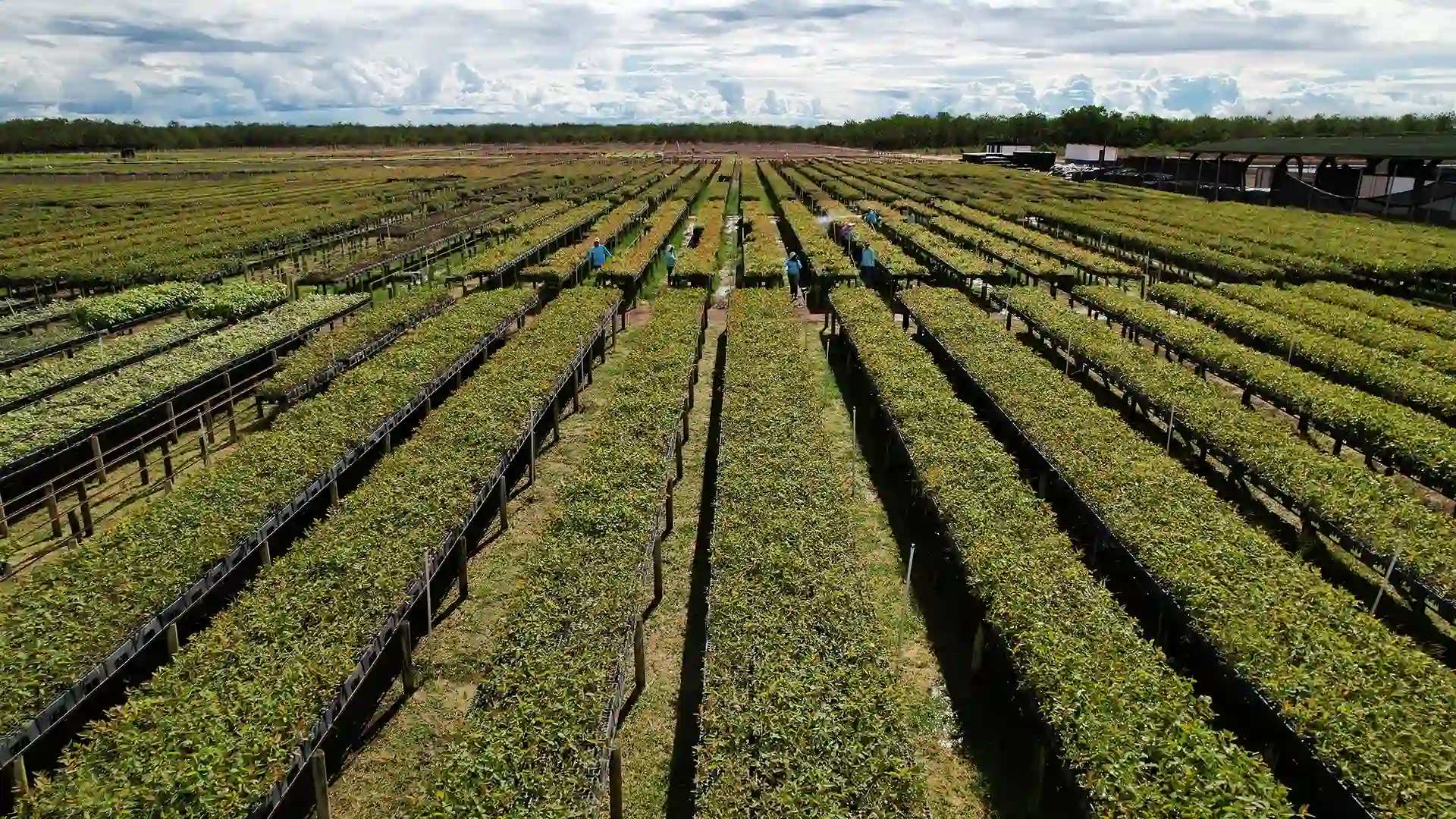
Young saplings grown for planting in Vichada

HSBC
Founded in 1865, HSBC is one of the world's largest banking and financial services organisations. Born from one simple idea – a local bank serving international needs – we have been supporting our customers for 161 years. Today, we serve around 41 million personal, wealth and corporate customers worldwide in 56 countries and territories.
HSBC opened its first branch in Singapore in 1877. HSBC in Singapore is a qualifying full bank serving the international banking needs of multinational corporations, local businesses, private banking clients, institutional, and retail customers, reinforcing our presence as a major banking institution and a trusted partner in the financial services sector.
US$4bn Credit Facility for China's Low-Carbon Industries
We've launched a US$4 billion Sustainability and Transition Credit Facility in mainland China to help companies in the clean energy and low-carbon sectors scale internationally, including into ASEAN, and support decarbonisation efforts across the value chain.
The dedicated credit facility will offer financing to eligible businesses operating in a range of sectors, including clean power, electrification of transport, data centres and artificial intelligence.
The initiative reflects our focus on supporting clients to transition and enabling innovation, growth and opportunity.
In 2025, China accounted for about 47% of global cleantech exports and about two-thirds of global solar and battery exports, according to BloombergNEF.
As companies in China look to expand internationally to meet this demand, we'll aim to help them deliver clean technologies and solutions to market more efficiently by increasing credit limits for eligible companies, streamlining credit approvals and developing tailored financial solutions.
HSBC is supporting the development of clean power
Accelerating Adoption at Scale: HSBC Climate Tech Initiatives and Future Industries Partnership
HSBC's Industrial Innovators Programme (IIP) and the Future Industries Partnership (FIP) are complementary routes to accelerate industrial decarbonisation. IIP focuses on near-term corporate pilots, while FIP helps climate tech ventures build capability and access capital to scale.
- IIP: HSBC convened select Singapore-based corporate clients across sectors (real estate, healthcare, logistics, manufacturing, agriculture, maritime) to connect with startups offering TRL 6+ solutions ready for pilots, targeting breakthroughs that cut waste and improve the use of energy, water and materials amid tighter regulation, supply-chain assurance needs and resource volatility.
- FIP: HSBC's philanthropic initiative, delivered by Third Derivative and Founders Factory, supports climate tech in hard-to-abate sectors across Asia and the Middle East through technical and commercial support, strategic connections and access to investors and corporates, prioritising low-carbon materials, cooling, LDES/GETs, CCUS, hydrogen and e-fuels.
Together, they create a pipeline from venture readiness and bankability (FIP) to pilots and deployment (IIP).
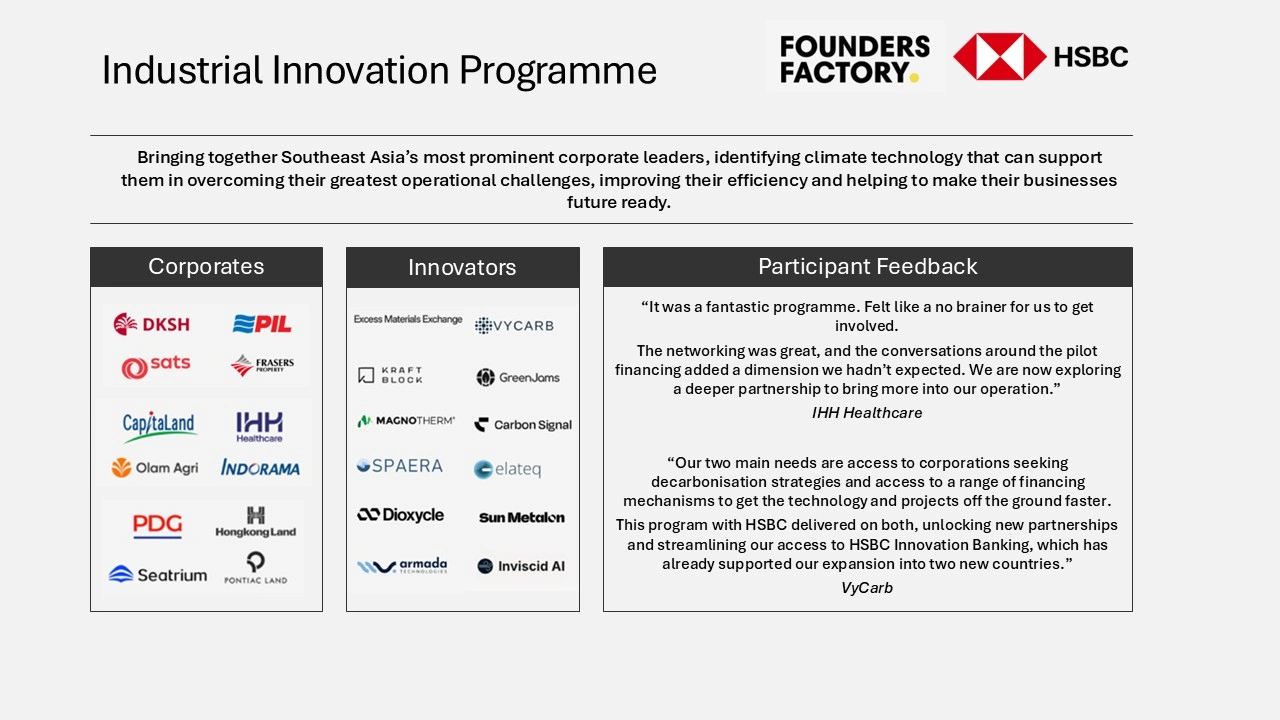
HSBC & Founders Factory unite SEA corporates and startups to scale tech
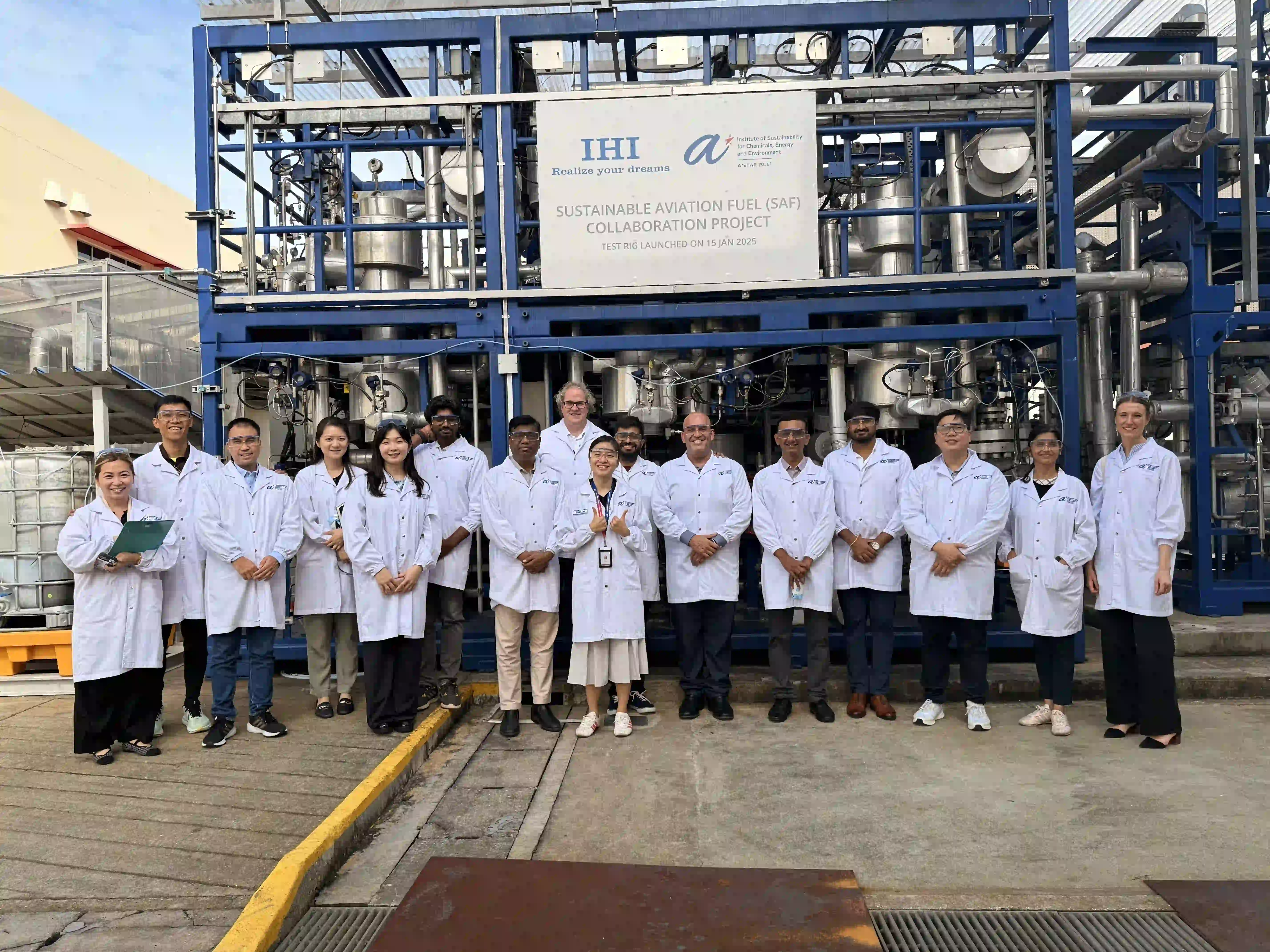
FIP connects startups with SEA's ecosystem
Singapore Climate Technology Ecosystem Guide
The Venture Climate Alliance's Singapore Climate Technology Ecosystem Guide was developed as part of the Innovation Scaling Initiative, with philanthropic support from HSBC and input from HSBC climate technology and regional teams. The Guide is designed to inform and support climate technology companies and venture capital firms evaluating Singapore as a platform for growth, investment, partnership development, commercialisation and regional expansion across Southeast Asia. It provides market context and practical guidance on financing, policy, corporate demand, sector opportunities and pathways for deployment, helping founders and early-stage investors understand where Singapore fits within the broader Southeast Asian climate technology landscape.
Find out more in the Singapore Climate Technology Ecosystem Guide.
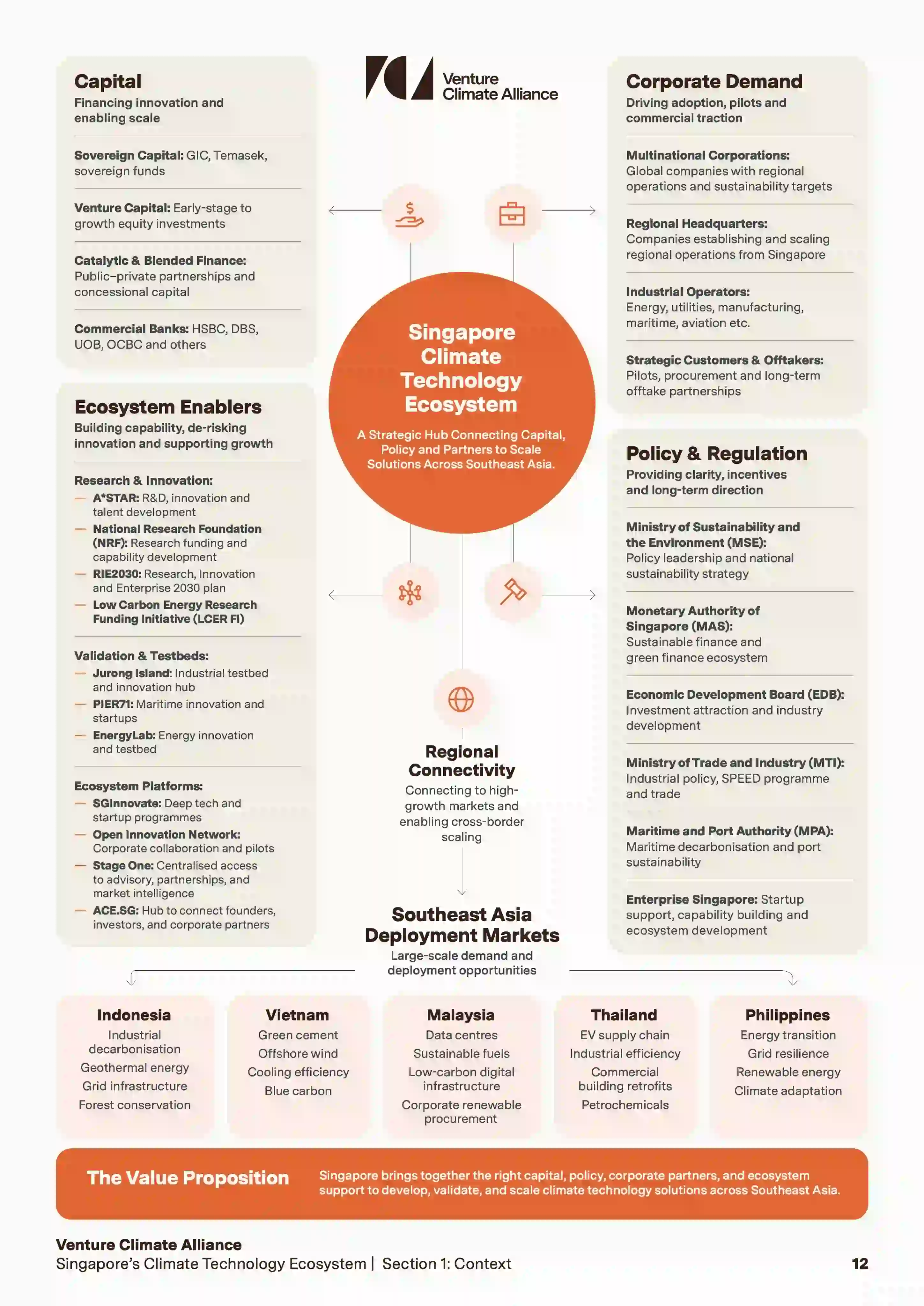
Singapore’s climate tech ecosystem and regional scaling pathways
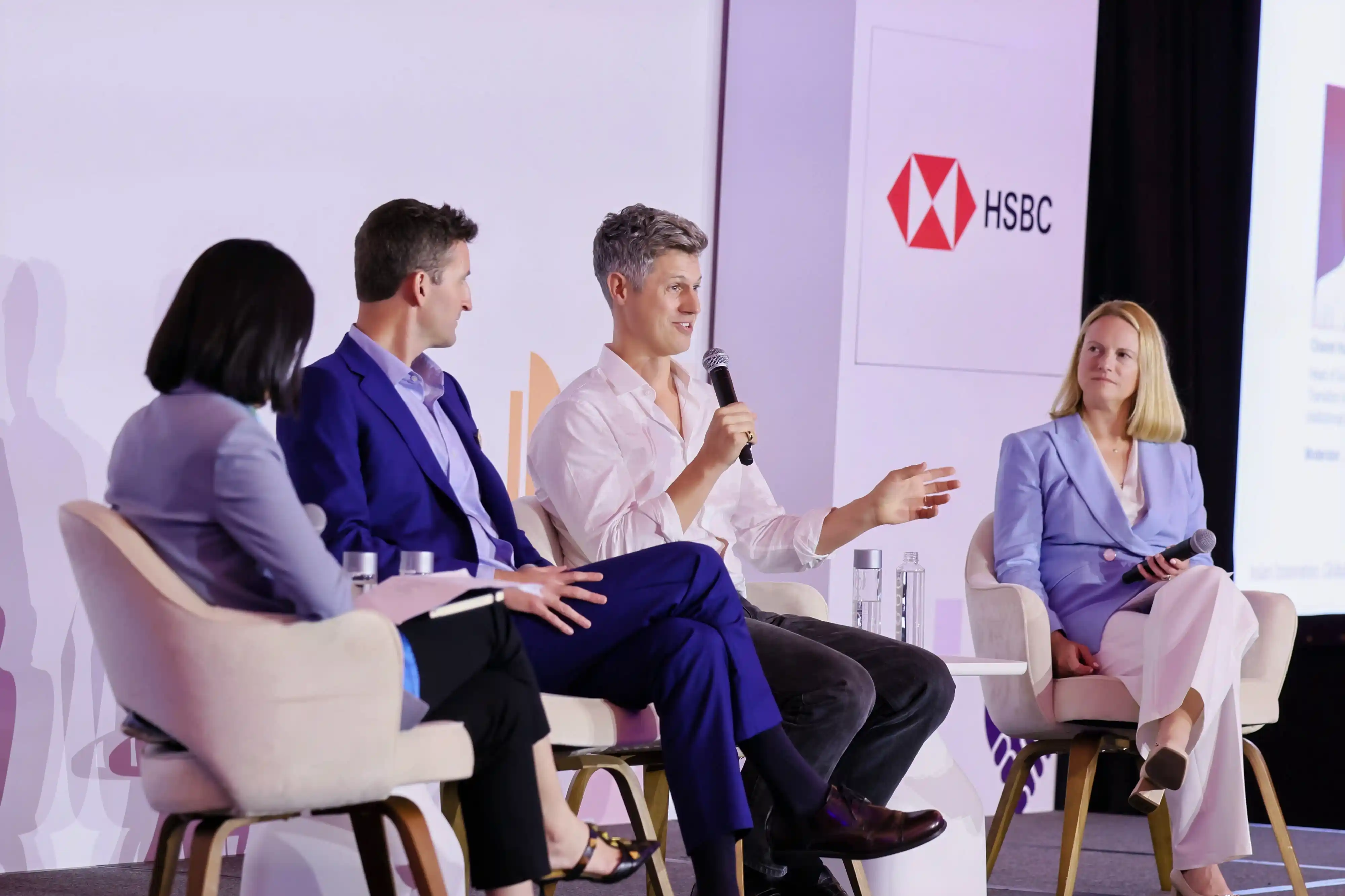
HSBC, VCA and partners at the Philanthropy Asia Summit 2026
Finance for Resilient Landscapes (F4RL)
Finance for Resilient Landscapes is a collaboration led by Proforest, Conservation International (CI) and The Nature Conservancy (TNC), with philanthropic support from HSBC. The programme is a global effort to accelerate financial flows to support resilient nature-positive commodity production landscapes.
We are starting in six critical landscapes where nature is at a frontier with agricultural production: two in Indonesia focused on palm oil, and four in Brazil focused on soy and cattle. By building on the strong foundations created through these ongoing Indonesian and Brazilian landscape and jurisdictional initiatives – programmes in which many companies have made significant investments – and linking them to the global finance sector, we can drive progress that is both scalable and sustained over time. Within each landscape we will identify and scale existing financial pathways and mechanisms that help companies and local actors access the type of capital they need to deliver on their net-zero and nature commitments whilst supporting resilient commodity production.
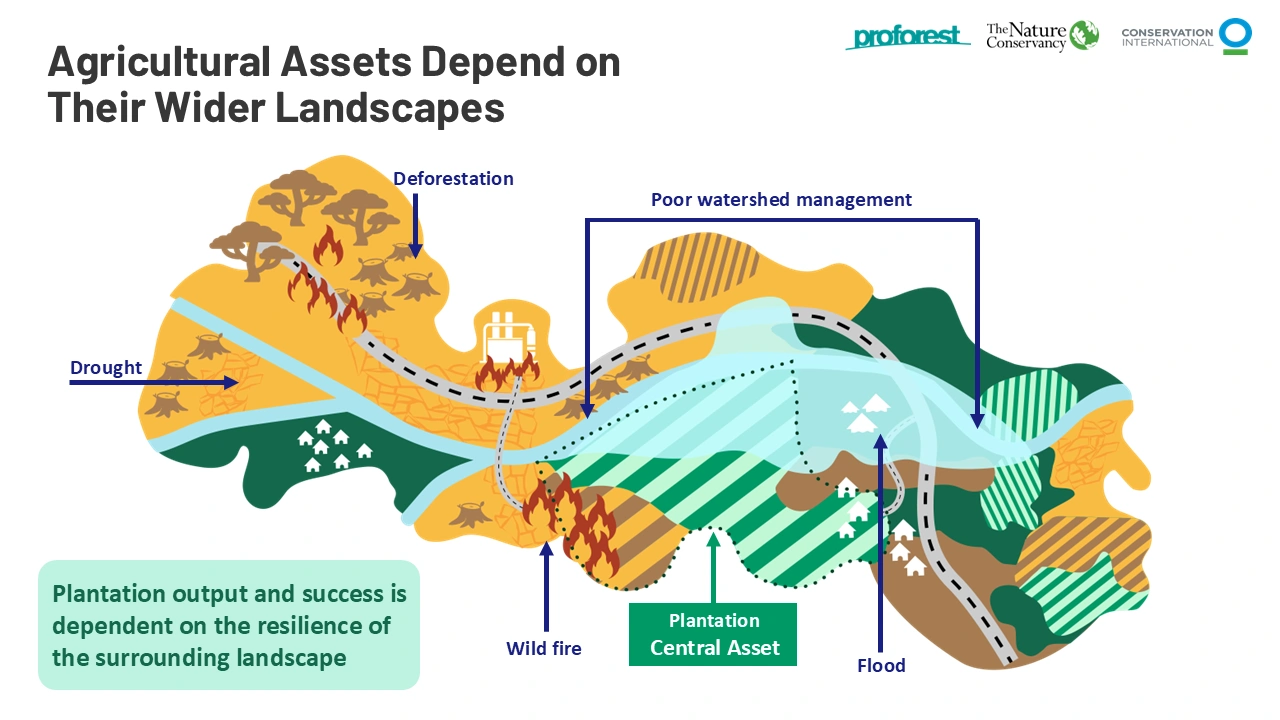
Agricultural assets depend on their wider landscapes
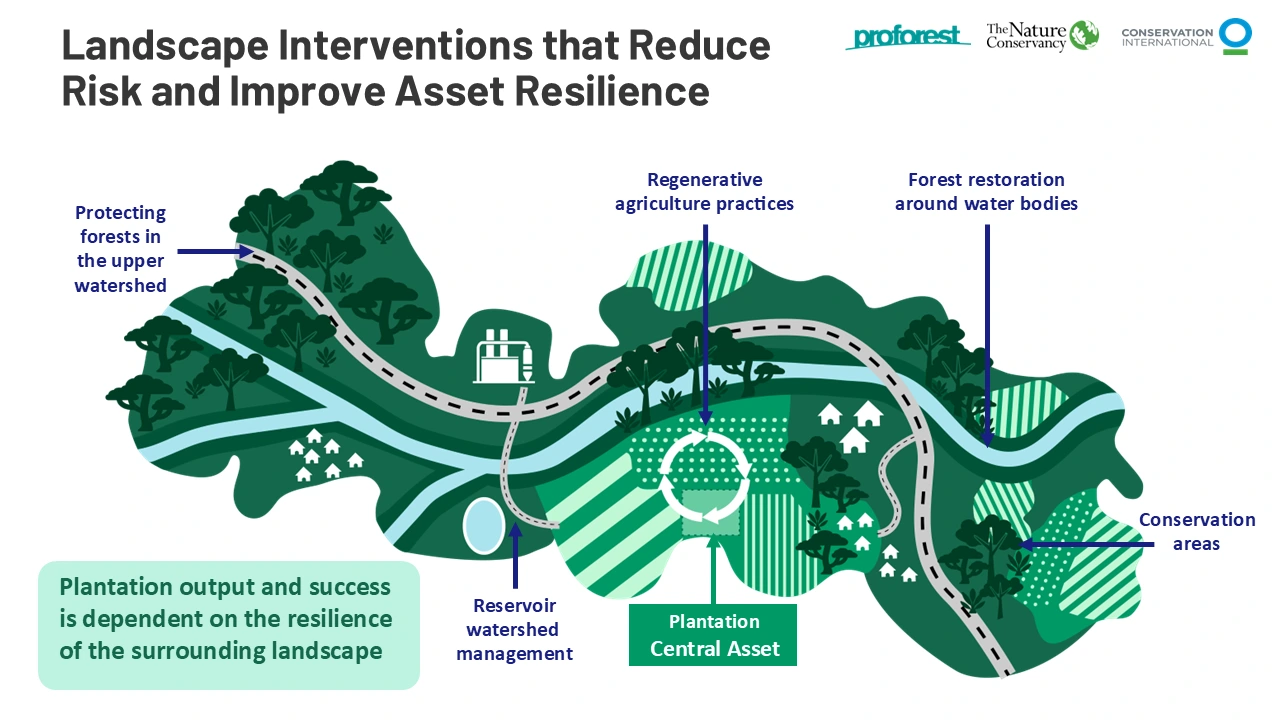
Landscape interventions that reduce risk and improve asset resilience
Temasek
Temasek is a global investment company headquartered in Singapore, with a net portfolio value of S$518 billion (US$401b, €350b, £304b, RMB2.77t) as at 31 March 2026. Our Purpose "So Every Generation Prospers" guides us to make a difference for today's and future generations. We seek to build a resilient and forward-looking portfolio that will deliver good sustainable returns over the long term.
Ecosperity is Temasek's key platform for sustainability engagement and advocacy. We work with global leaders from the private and public sectors, academia and civil society to exchange views, share best practices and push the agenda on sustainable growth.
IABS: Mobilising Institutional Capital for Infrastructure
Global infrastructure investment needs are projected to exceed available financing by US$12 trillion between 2026 and 2040, creating an urgent need for new long-term capital sources.
To help address this, Clifford Capital launched Asia's first Infrastructure Asset-Backed Securities (IABS) transaction in 2018. Through the IABS programme, infrastructure loans are pooled and securitised into rated securities, broadening institutional investor access to infrastructure debt and recycling capital for future financing.
Since inception, we have completed eight public issuances and four private placements, raising approximately US$5.0 billion. Bayfront VIII, issued in May 2026, raised US$733.3 million, the largest IABS transaction to date. It was backed by a diversified portfolio of 44 infrastructure loans and bonds across 40 projects, 15 countries and 10 infrastructure sub-sectors.
Clifford Capital is a Temasek-backed infrastructure credit platform.
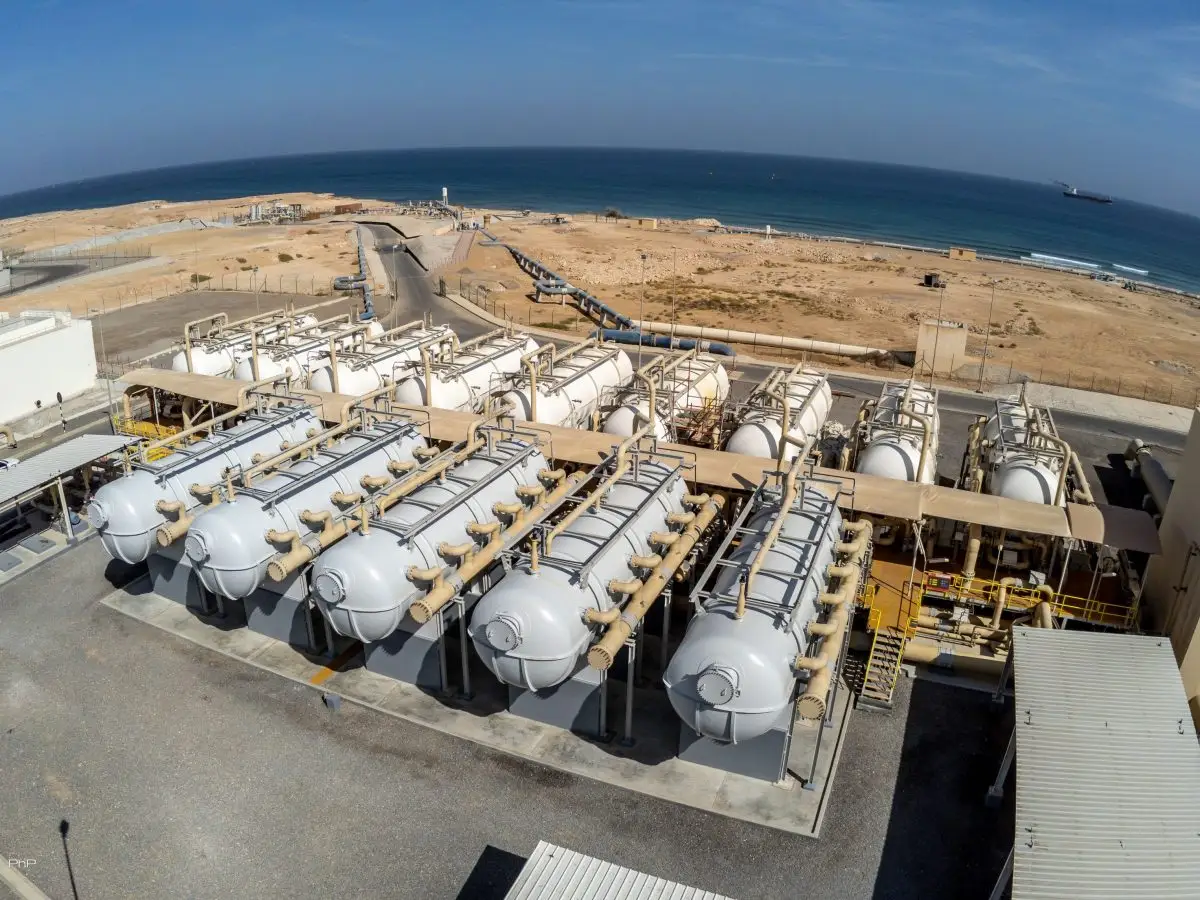
Reliable, environmentally responsible drinking water supply through the Sur Desalination Plant

Supporting the electrification of Chile's bus fleet and rollout of charging infrastructure
CuspAI Unlocks Breakthrough Materials in Semiconductors, Energy and Climate
CuspAI is building the AI system for materials discovery to unlock breakthroughs that power human progress.
For Kemira, a global leader in sustainable solutions for water-intensive industries, CuspAI designed new AI materials to remove PFAS (forever chemicals) from water. PFAS are man-made chemicals linked to health and environmental risks. CuspAI explored a design space of some 300 trillion possible structures and produced over 5,000 novel designs with full property data, narrowed to around 20 candidates now advancing to further development. The programme reached this stage in six months, compressing a discovery process that would conventionally have taken years.
CuspAI enables partners to run full discovery cycles – from generative materials design through simulation, synthesis route planning, and coordinated experimental validation.
CuspAI is a Temasek investee company.
DBS – Building a More Resilient Asia
Decarbonisation and resilience must go hand in hand as economies contend with the physical impacts of climate change. As part of its holistic climate strategy, DBS is expanding its focus beyond mitigation to include adaptation and resilience (A&R).
To advance A&R financing in Asia, DBS partnered with the Climate Bonds Initiative to develop a framework for identifying and financing credible A&R investments. The report highlights opportunities across sectors and provides guidance on evaluating adaptation measures and resilience outcomes.
This work is already driving client engagements. In July, DBS supported AirTrunk's sustainability-linked financing for a data centre in Malaysia designed to achieve industry-leading energy and water efficiency. The bank is also working with one of India's largest real estate developers on a retrofit programme to protect against flooding and extreme heat. As climate impacts intensify, DBS is committed to mobilising capital and strengthening partnerships for a more resilient Asia.
DBS is a Temasek Portfolio Company.
Singapore's First Integrated Chilled Water Thermal Grid
Keppel and JTC have commenced chilled water supply to Fusionopolis 2A, marking a key milestone in the phased interconnection with Keppel's district cooling plants at Biopolis and Mediapolis, which are all within One-North, a 200-hectare business park in Singapore.
Once completed, the network will form Singapore's first integrated and largest chilled water thermal grid. With a combined design cooling capacity of over 334 MW (95,000 refrigeration tonnes), it will support more than 25 developments. The integration will strengthen the resilience, operational flexibility and resource efficiency of the cooling systems.
Connected to Keppel's AI-enabled Infrastructure Intelligence-Operations Nerve Centre, the plants use real-time performance monitoring, predictive analytics and autonomous optimisation to enhance energy efficiency, reliability and lifecycle performance.
Keppel is a Temasek Portfolio Company.
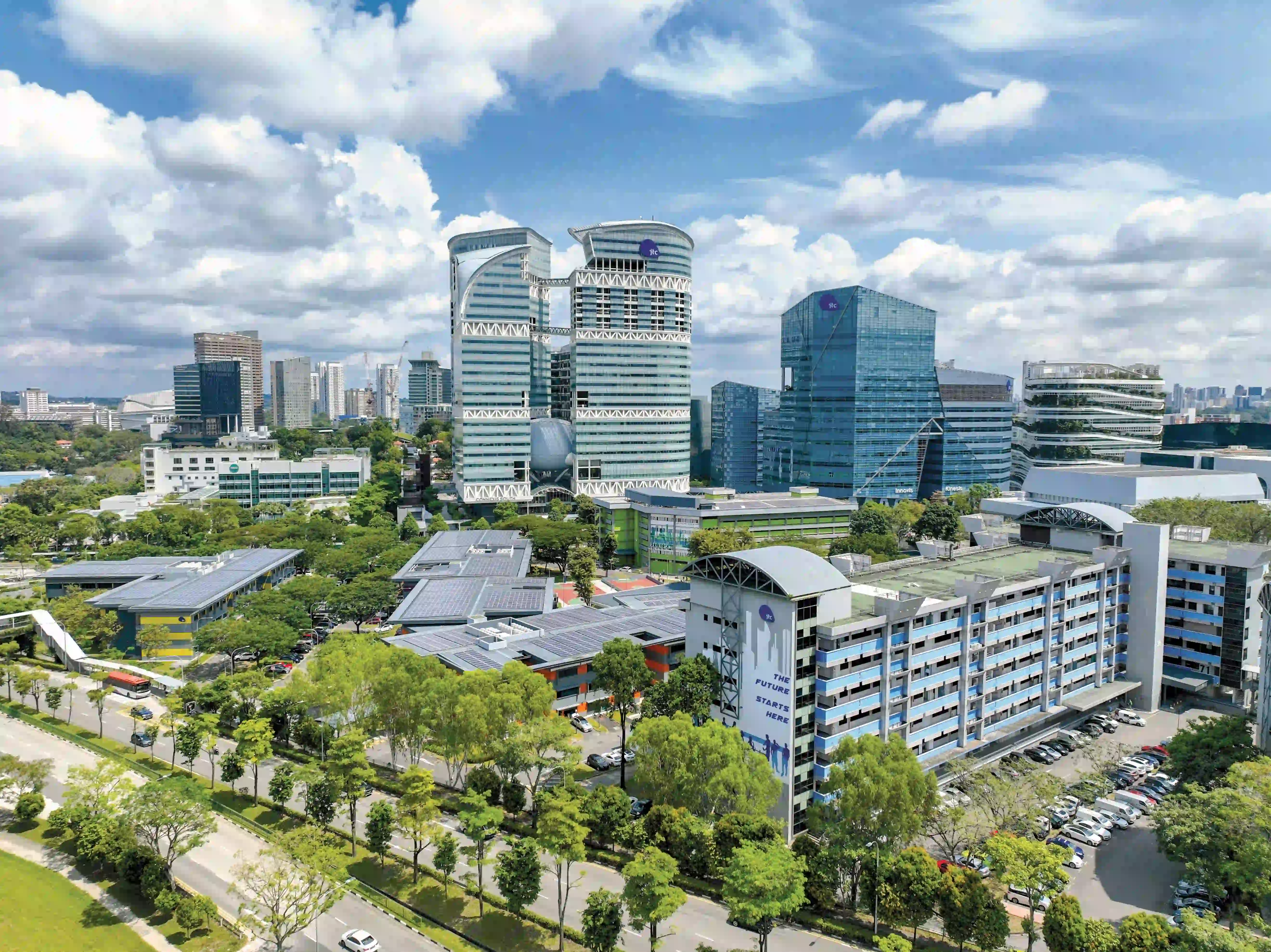
One-North: Home to Singapore's largest chilled water thermal grid

The plants are AI-enabled for reliability, efficiency and performance
DBS
DBS is a leading financial services group in Asia with a presence in 19 markets. Headquartered and listed in Singapore, DBS is in the three key Asian axes of growth: Greater China, Southeast Asia and South Asia. The bank's "AA-" and "Aa1" credit ratings are among the highest in the world.
Recognised for its global leadership, DBS has been named “World’s Best Bank” by Global Finance, “World’s Best Bank” by Euromoney and “Global Bank of the Year” by The Banker. The bank is at the forefront of leveraging digital technology to shape the future of banking, having been named “World’s Best AI Bank” by Global Finance as well as the winner of multiple digital assets awards. In addition, DBS has been accorded the “Safest Bank in Asia” award by Global Finance for 18 consecutive years from 2009 to 2026.
DBS provides a full range of services in Consumer, Wealth, SME and corporate banking. As a bank born and bred in Asia, DBS understands the intricacies of doing business in the region’s most dynamic markets.
DBS is committed to building lasting relationships with customers, as it banks the Asian way. Through the DBS Foundation, the bank creates impact beyond banking by uplifting lives and livelihoods of those in need. It provides essential needs to the underprivileged, and fosters inclusion by equipping the underserved with financial and digital literacy skills. It also nurtures innovative social enterprises that create positive impact.
With its extensive network of operations in Asia and emphasis on engaging and empowering its staff, DBS presents exciting career opportunities.
For more information, please visit www.dbs.com.
DBS – Building a More Resilient Asia
Decarbonisation and resilience must go hand in hand as economies contend with the physical impacts of climate change. As part of its holistic climate strategy, DBS is expanding its focus beyond mitigation to include adaptation and resilience (A&R).
To advance A&R financing in Asia, DBS partnered with the Climate Bonds Initiative to develop a framework for identifying and financing credible A&R investments. The report highlights opportunities across sectors and provides guidance on evaluating adaptation measures and resilience outcomes.
This work is already driving client engagements. In July, DBS supported AirTrunk's sustainability-linked financing for a data centre in Malaysia designed to achieve industry-leading energy and water efficiency. The bank is also working with one of India's largest real estate developers on a retrofit programme to protect against flooding and extreme heat. As climate impacts intensify, DBS is committed to mobilising capital and strengthening partnerships for a more resilient Asia.
Visit the DBS Sustainability page.
OCBC
OCBC is the longest established Singapore bank, formed in 1932 from the merger of three local banks. It is one of the world’s most highly rated banks, with ratings of Aa1 by Moody’s and AA- by both Fitch and S&P. Recognised for its financial strength and stability, OCBC is consistently ranked among the World’s Top 50 Safest Banks by Global Finance and has been named Best Managed Bank in Singapore by The Asian Banker.
The Group offers a broad array of commercial banking, specialist financial and wealth management services, ranging from consumer, corporate, investment, private and transaction banking to treasury, insurance, asset management and stockbroking services.
OCBC PULSE: Enabling SMEs and supply chain transition
SMEs are critical to the transition towards a more sustainable economy. Yet many face challenges in understanding evolving sustainability expectations and identifying practical actions to take.
Developed by OCBC in partnership with the United Nations Global Compact Network Singapore, OCBC PULSE helps businesses assess their ESG readiness and identify clear, actionable next steps. Offered free of charge, the platform provides a simple and accessible way to evaluate sustainability maturity and identify opportunities for improvement.
Beyond SMEs, OCBC PULSE helps larger companies engage suppliers at scale through dedicated onboarding journeys and consolidated supply chain ESG insights. This strengthens supplier engagement, enhances visibility across value chains and supports sustainability reporting and transition planning.
By making sustainability assessment free, accessible and actionable, OCBC PULSE helps businesses play their part in the broader sustainability transition.

Enabling SMEs and supply chains to advance sustainability readiness
Supporting sustainability transition across business ecosystems
Bank sustainably with OCBC’s award-winning Sustainability Hub
With emerging climate and sustainability risks, it is important for retail investors to know the ESG ratings of companies they invest in. The principle behind this is that companies that do well in ESG are better positioned for long-term success.
To address this, OCBC developed the Sustainability Hub. Available via the OCBC App, it is a market-first innovation in the region that provides retail investors with personal ESG ratings based on their investment holdings and sustainability-related articles and nudges.
Investors can visualise their exposure and better understand how resilient their overall portfolio is against emerging risks. The Sustainability Hub also curates top ESG picks that may strengthen their portfolios.
This year, the OCBC Sustainability Hub won the Gold award in the Environmental, Social, and Governance (ESG) category at the Qorus Reinvention Awards APAC 2026.
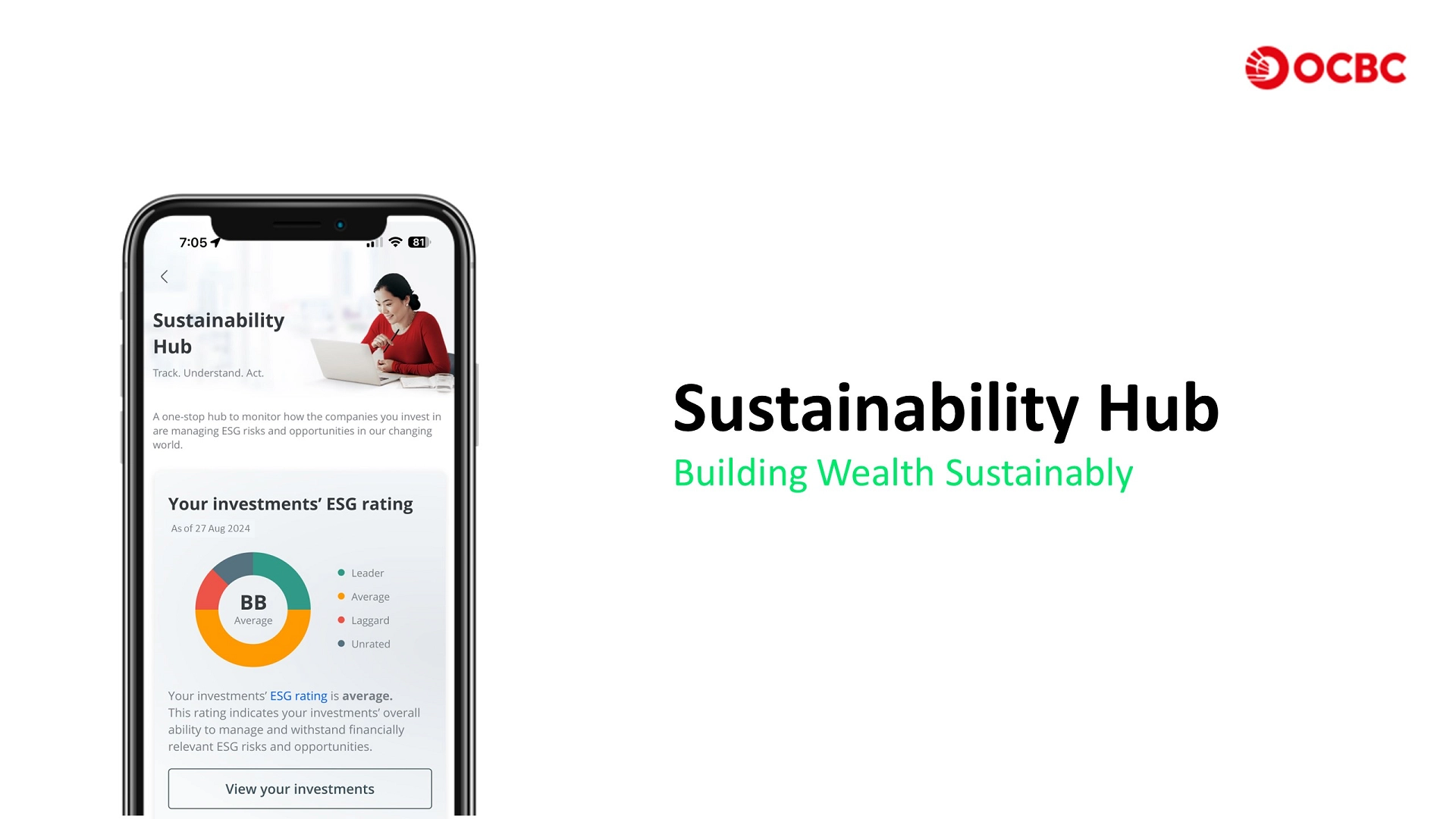
View your investments’ ESG rating via OCBC’s Sustainability Hub

Access sustainability articles and nudges via OCBC’s Sustainability Hub
Access the Sustainability Hub via the OCBC App
Commercial and Legal Foundations for the ASEAN Power Grid
The ASEAN Power Grid has the potential to support the region’s energy transition and strengthen energy security by enabling greater cross-border electricity trade, diversifying power supply and integrating the region’s abundant renewable resources. With an estimated US$800 billion of investment needed across generation and transmission systems, mobilising capital at scale will be critical.
Developed by the Singapore Sustainable Finance Association (SSFA), with OCBC as project lead, this paper explores the commercial and legal foundations needed to make cross-border power projects investable, replicable and scalable. Taking a bilateral-first approach, it examines the commercial structures, legal frameworks and risk allocation needed to evolve to help establish the foundations for future multilateral expansion of the ASEAN Power Grid, with a focus on the Singapore–Malaysia (Sarawak) and Singapore–Indonesia corridors.
View the paper: SSFA ASEAN Power Grid
OCBC leads SSFA paper on the ASEAN Power Grid
Oatbedient
-
Uncle Saba’s
-
N&E Innovations
-
Ya Kun
-
Cedars Digital
Cedars helps businesses use carbon data to make informed decisions and reduce emissions across their operations and supply chains. It supports product carbon footprint assessments, Carbon Border Adjustment Mechanism (CBAM) readiness and supplier decarbonisation.
CANOPY is a product carbon data exchange through which companies and suppliers can share and reuse data with permission across different systems and borders, making it easier to collaborate on emissions reduction.
Scaling Product Carbon Footprints Across LITEON’s Portfolio
Cedars partnered with LITEON to calculate cradle-to-gate carbon footprints for 3,300 product series across eight business units within six months, compared with an initial estimate of three years. The project processed 18 million activity data records from operations in China, Taiwan and Vietnam.
Using existing enterprise and factory data, the team standardised records, grouped similar products, allocated emissions and documented data sources and methods. Calculations followed ISO 14067, and 64 product series were independently verified by TÜV SÜD, SGS and TÜV Rheinland, all to reasonable assurance.
The project helped LITEON meet customer disclosure deadlines and identify emissions hotspots. The project established a foundation for incorporating supplier-specific carbon data, connecting product carbon footprints with procurement decisions and supply chain decarbonisation.
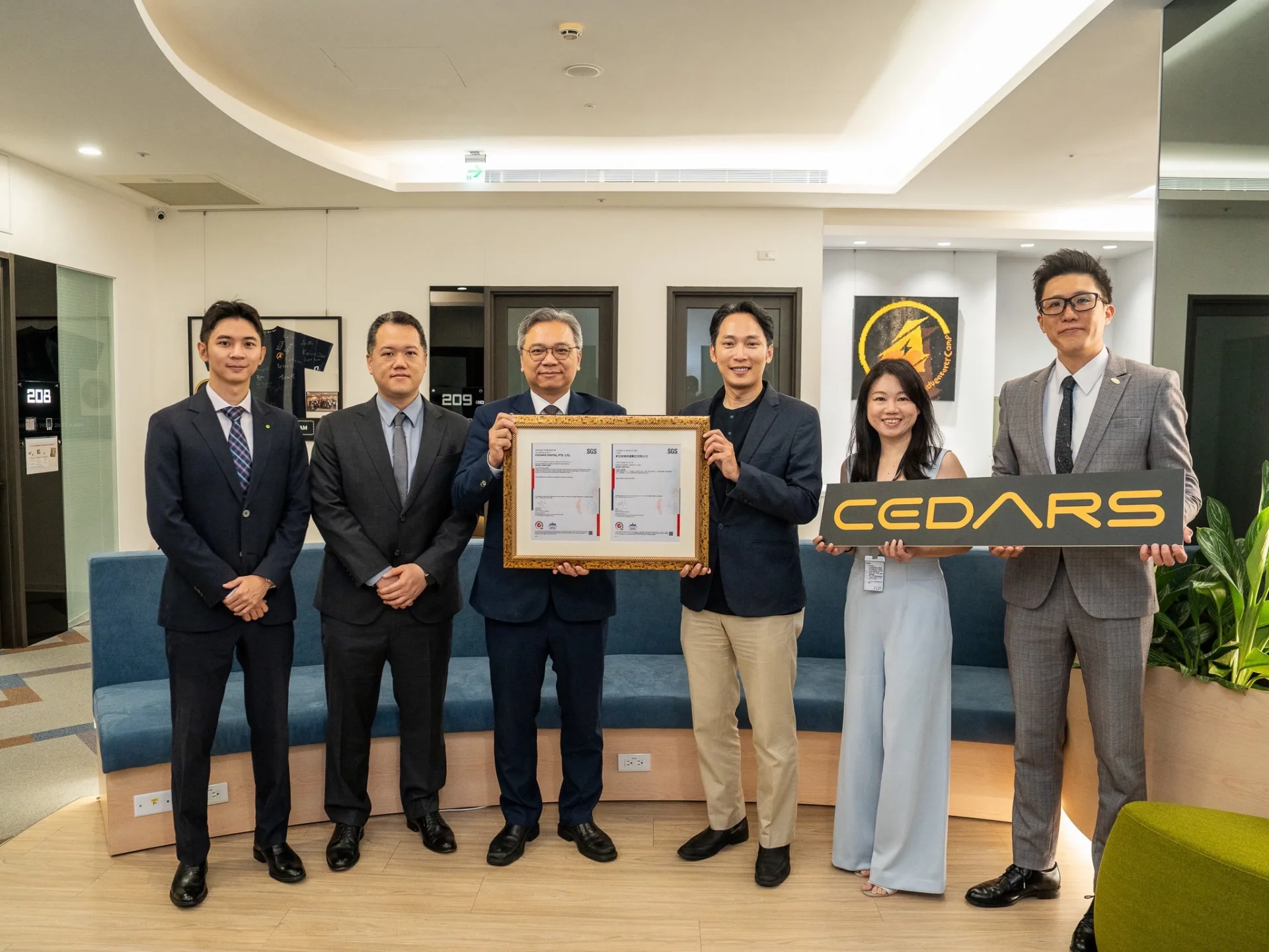
Cedars presents SGS-issued Product Carbon Footprint (PCF) verification certificates to LITEON
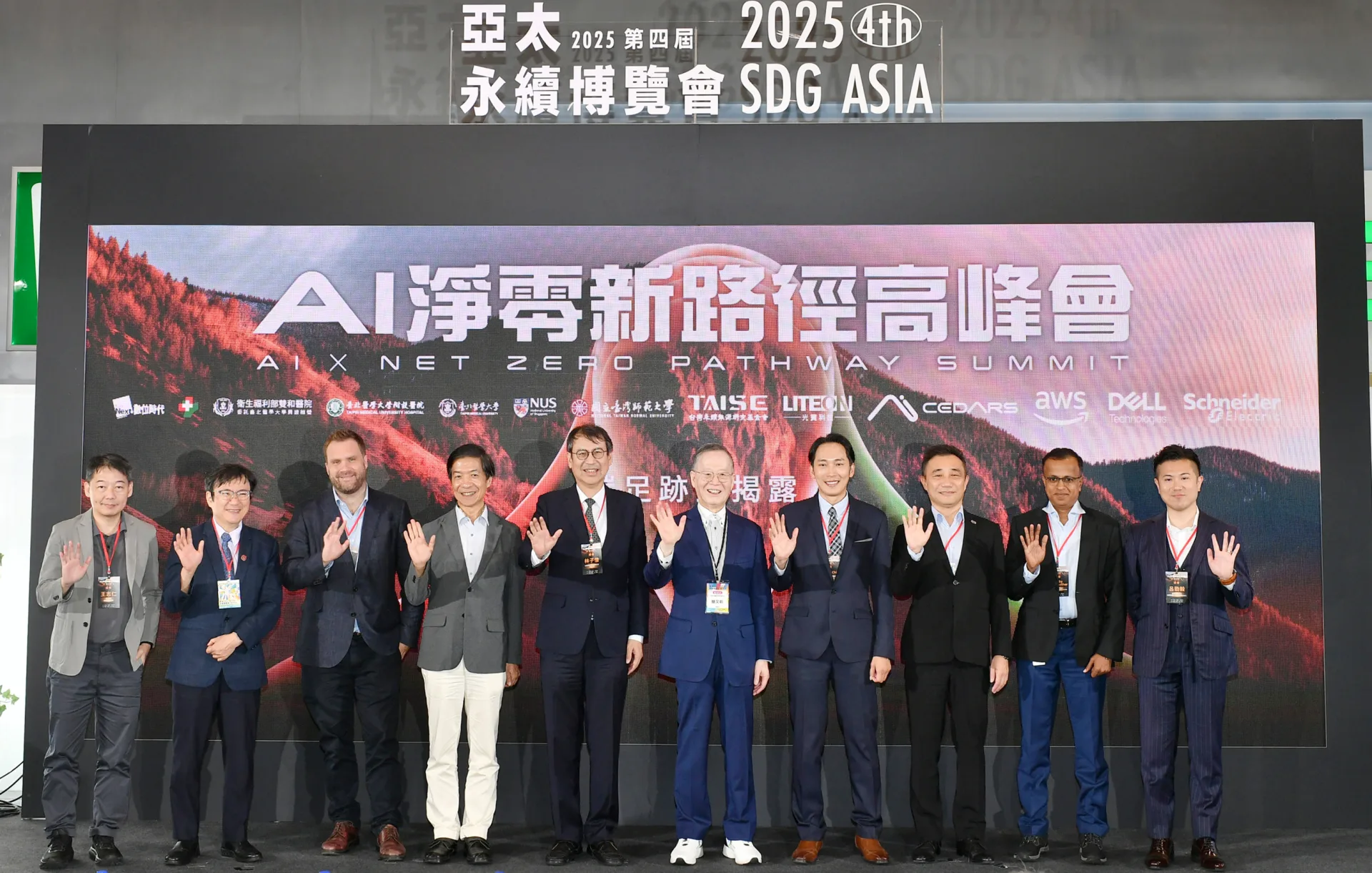
Cedars hosts cross-industry dialogue on AI and net zero supply chains
CANOPY: Connecting Supply Chains Through Trusted Product Carbon Data
CANOPY is a product carbon data exchange developed by Cedars to enable supplier carbon information to flow across supply chains at speed and scale.
It is designed to connect companies across multiple supply chain tiers, enabling each supplier to calculate their product carbon footprints once and share them with authorised customers while protecting sensitive business information.
Suppliers can use data from existing calculation tools, environmental product declarations (EPDs) or spreadsheets with supporting information on calculation standards, data quality, emission factors and verification to help buyers assess the data and make informed decisions.
By reducing repeated requests and rewarding data providers, CANOPY aims to make participation more practical for suppliers. The exchange will support emissions hotspot identification, procurement decisions and collaboration on supply chain decarbonisation.
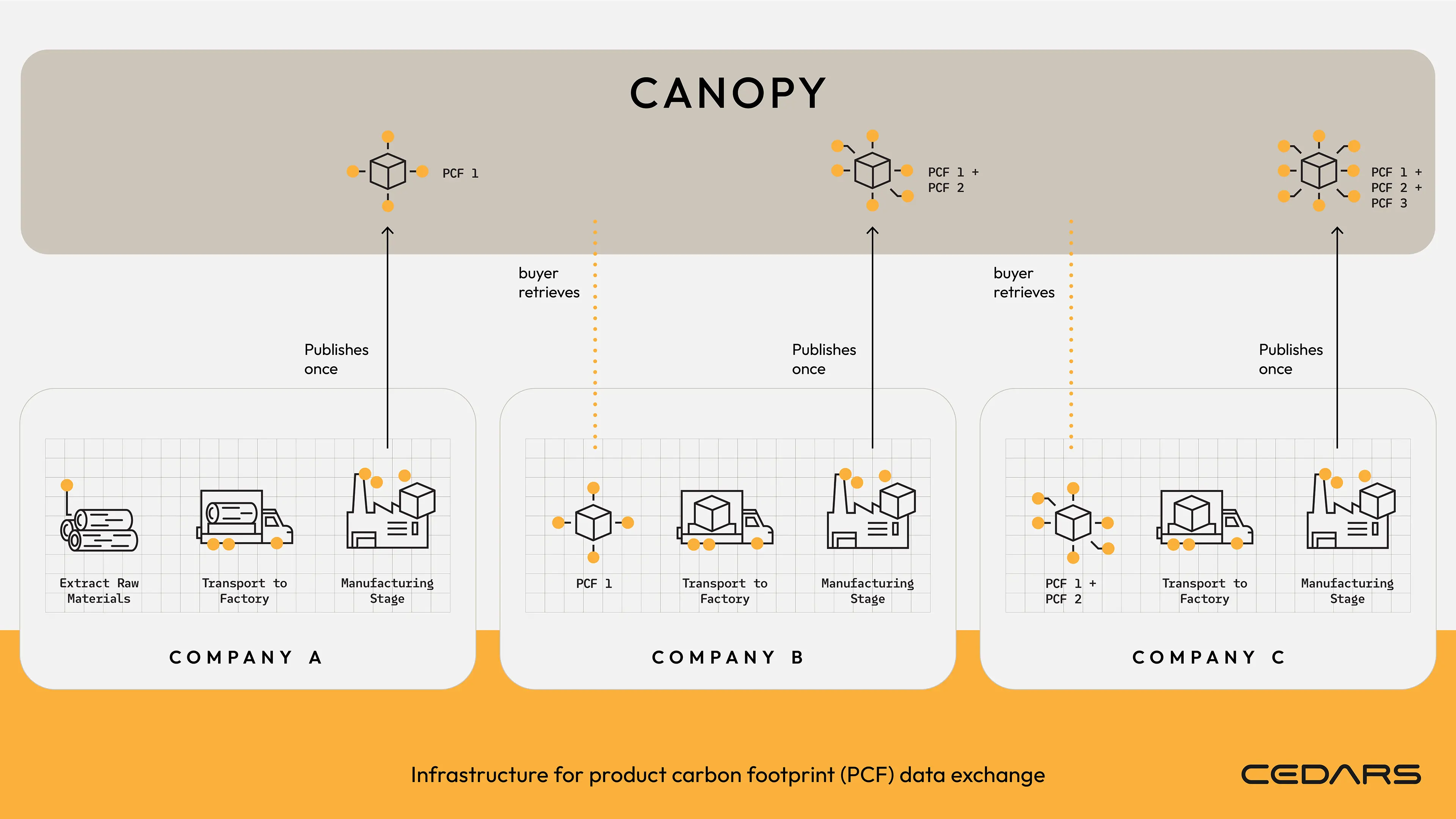
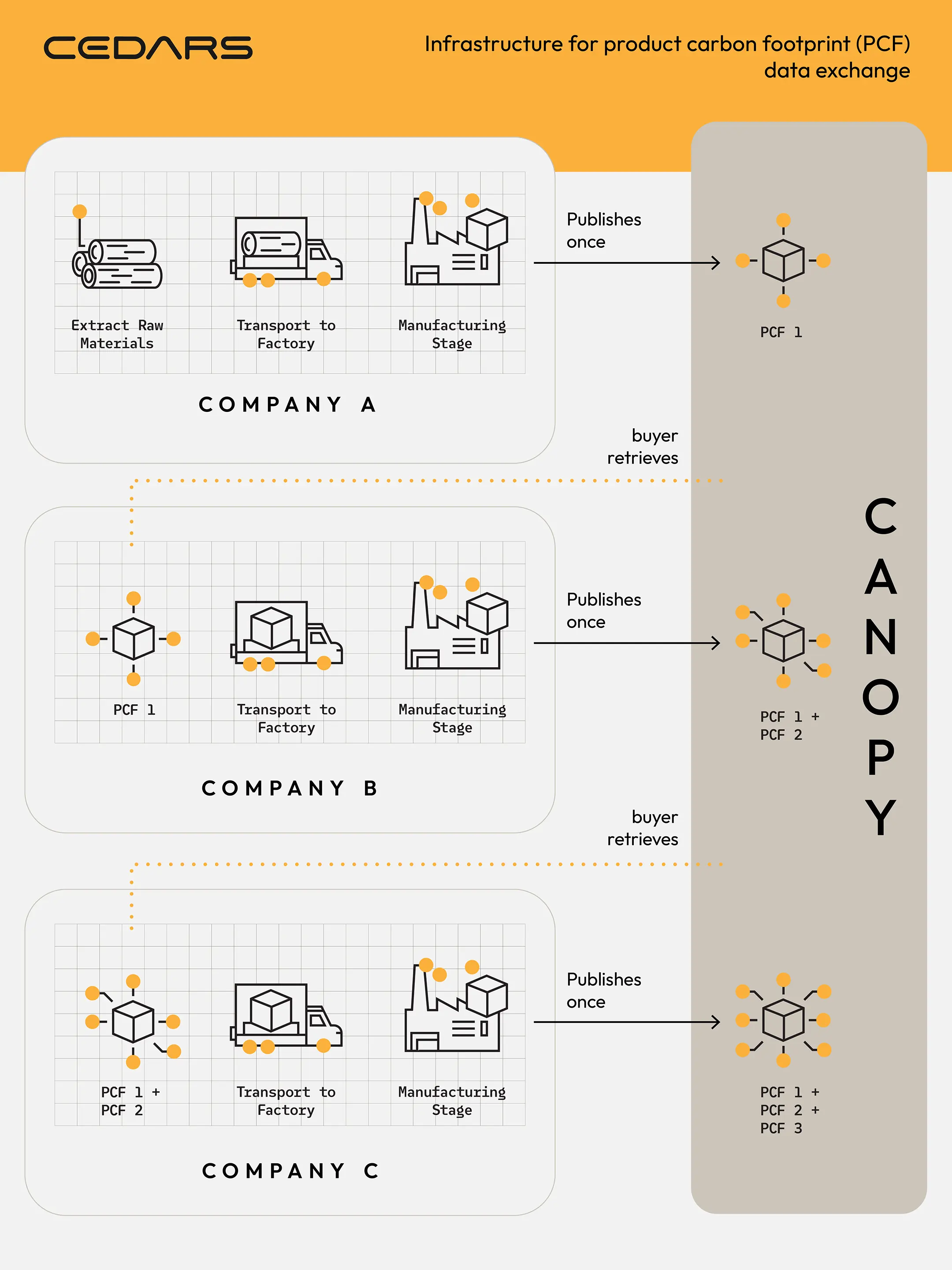
Product Carbon Footprint (PCF) Data Flow between Companies across CANOPY
Standard Chartered
We are a leading international banking group, with a presence in 55 of the world’s most dynamic markets.
This unique geographic footprint shapes our nuanced understanding of the challenges and opportunities the global transition to a lower-carbon, nature-positive economy presents for our clients and communities, and means we are strategically positioned to connect capital to where it’s needed in support of sustainable, inclusive growth.
Our purpose is to drive commerce and prosperity through our unique diversity, and our heritage and values are expressed in our brand promise, here for good.
Standard Chartered PLC is listed on the London and Hong Kong stock exchanges.
Supporting Thailand’s second Sustainability-Linked Bond
Standard Chartered acted as Joint Sustainability Structuring Bank, Joint Bookrunner and Joint Lead Arranger on the Kingdom of Thailand's THB25 billion Sustainability-Linked Bond (SLB), supporting the Public Debt Management Office in its second sovereign SLB issuance.
The transaction was significantly oversubscribed, attracting THB36.3 billion of demand.
It is linked to two national sustainability objectives: reducing Thailand’s net greenhouse gas emissions to 152 million tonnes of carbon dioxide equivalent by 2035, and increasing protected terrestrial and inland water areas, together with biodiversity conservation areas outside formally protected zones, to at least 30 per cent of Thailand’s total land area by 2030.
Notably, this marked the first time a sovereign in Asia has embedded biodiversity targets within a Sustainability-Linked Financing Framework, helping mobilise capital in support of Thailand's long-term climate and nature ambitions.
The transaction builds on the success of Thailand’s inaugural SLB, also supported by the Standard Chartered, and affirms its continued leadership in sovereign sustainability-linked financing.

Asia’s second-largest sovereign SLB, fourth globally
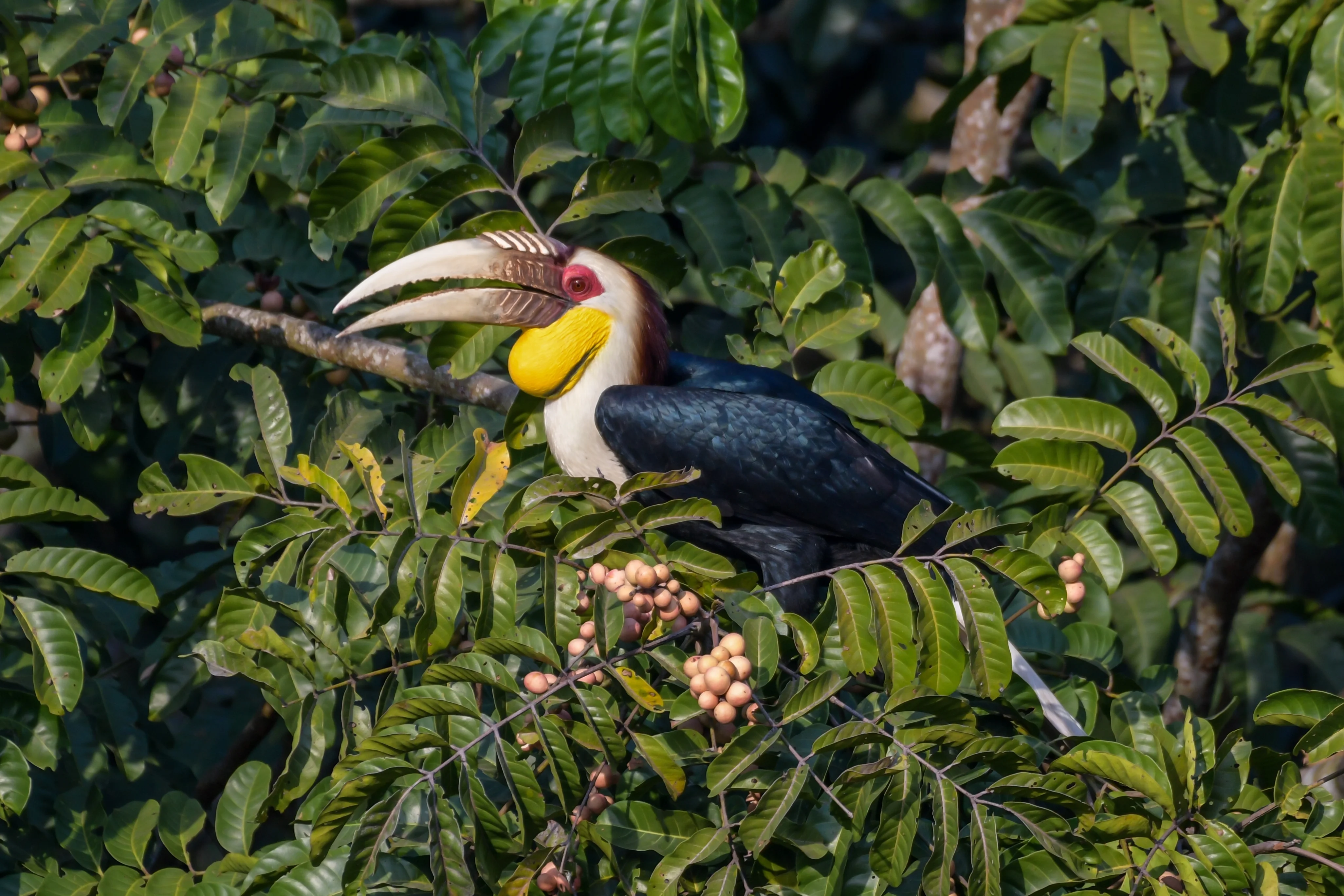
The first sovereign biodiversity-linked financing in Asia
Helping Ghana cook cleaner with the World Bank
More than 2 billion people still lack access to clean cooking fuels and technologies, with significant consequences for public health and the environment. Yet many clean cooking projects struggle to attract traditional financing given their relatively low financial returns.
In December 2025 we supported the World Bank to issue a US$200 million Clean Cooking Outcome Bond. By repackaging the underlying risks, we unlocked US$30.5 million to support the distribution of 415,000 stoves, making cleaner cooking accessible to 1.3 million people and reducing GHG emissions by more than 1.8 million tonnes of CO₂ equivalent.
The transaction broke new ground as the first outcome bond supporting African carbon-reduction projects, the first linked to Article 6.2 carbon credits under the Paris Agreement, and the first to combine multiple projects into a single structure, helping establish the asset class for scale.
It shows how innovative financing structures can help unlock capital for high-impact projects for which traditional financing would be less suitable.
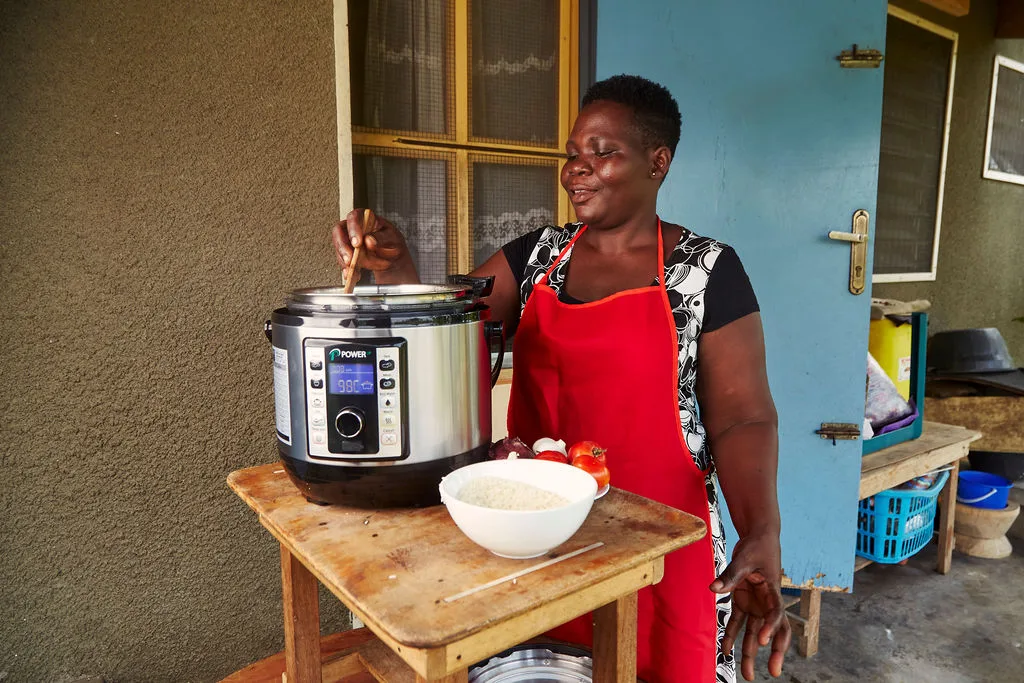
More than 2 billion people still lack access to clean cooking fuels
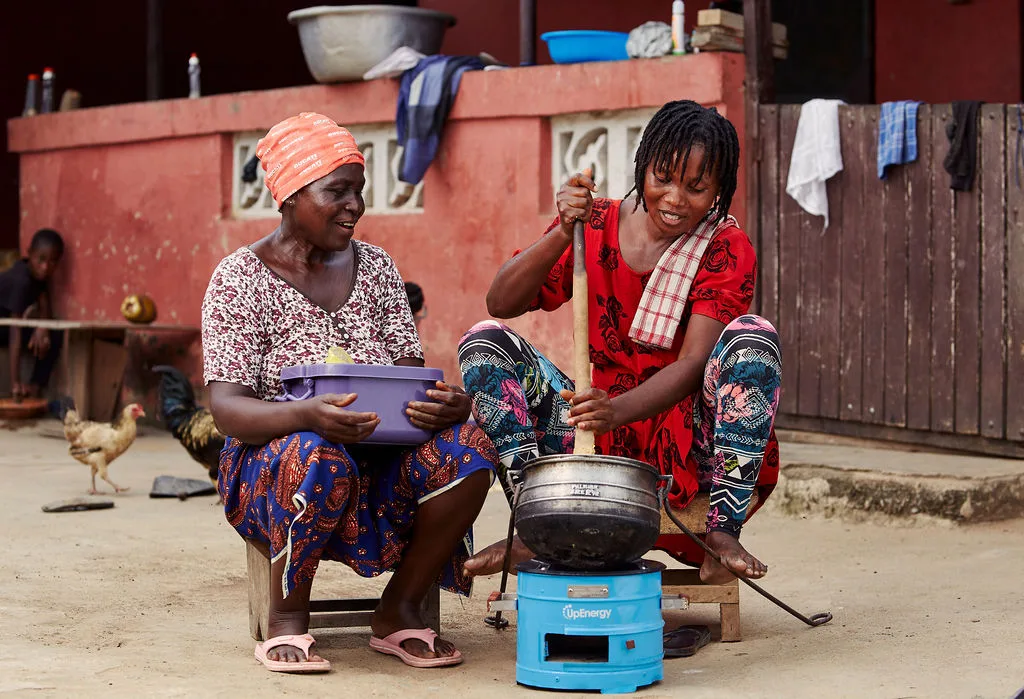
Cleaner cooking for 1.3 million people across Ghana
Jorge Familiar and Bill Winters on scaling climate finance
Delivering Côte d’Ivoire’s first Sustainability-Linked Loan
Around a third of Côte d'Ivoire's electricity comes from hydropower, leaving it vulnerable to climate-driven droughts. Expanding renewable energy sources beyond hydropower is therefore crucial to ensure the country’s energy resilience.
Meanwhile, addressing deforestation will be critical for maintaining the country’s prospects as a top cacao exporter.
Mobilising long-term commercial financing will be critical to helping Côte d'Ivoire's government achieve these objectives, but this requires considered de-risking.
Bringing its complex structuring expertise to bear, Standard Chartered structured a EUR433 million Sustainability-Linked Loan for the Ministry of Finance and Budget of Côte d'Ivoire, supported by World Bank Group IBRD and MIGA guarantees.
Arranged under the country's Sustainability-Linked Finance Framework, the loan is linked to targets in renewable energy, deforestation prevention and reforestation, supporting Côte d'Ivoire's goal of reducing carbon emissions by more than 30% by 2030.
This was the first sovereign sustainability-linked financing for an African country.
Building Resilience into South American Agricultural Supply Chains
South American agriculture plays a central role in global food and feed supply chains, but faces growing exposure to climate volatility and social risk. Strengthening responsible sourcing and supply chain oversight is therefore critical to long-term resilience.
Standard Chartered originated and structured a USD435 million Sustainability-Linked Loan for COFCO International, designed to support responsible agriculture supply chains in South America. The credit facility links financing terms to two externally verified key performance indicators (KPIs) designed to address social and resilience risks: increasing the volume of grains and oilseeds certified under recognised responsible agriculture standards, and strengthening supplier due diligence and labour safeguards in Brazilian soy and corn supply chains.
The transaction was the first publicly disclosed Sustainability-Linked Loan in South America’s agriculture sector focused entirely on social and resilience impacts. It demonstrates how sustainability-linked financing can extend beyond traditional emissions-focused structures to support certified sustainable agricultural supply chains and improve market access for producers.
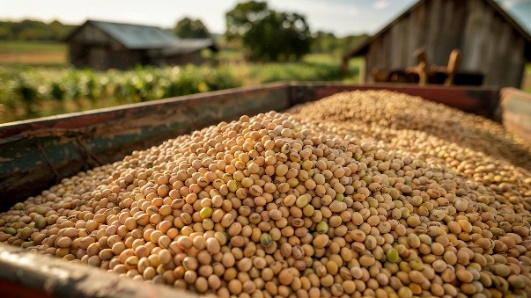
Strengthening responsible and certified agricultural supply chains
UOB
UOB is a leading Asian bank with a global network in Southeast Asia, Asia Pacific, Europe and North America. Operating through our head office in Singapore and banking subsidiaries in China, Indonesia, Malaysia, Thailand and Vietnam, we have a global network of about 430 branches and offices in 19 markets.
Since its incorporation in 1935, UOB has grown organically and through a series of strategic acquisitions. Today, UOB is rated among the world’s top banks: Aa1 by Moody’s Investors Service and AA- by both S&P Global Ratings and Fitch Ratings.
Advancing ASEAN's Energy Security and Energy Transition Ambitions
UOB is supporting ASEAN's energy transition through financing solutions that strengthen energy security, grid reliability and renewable energy integration.
In Singapore, UOB acted as the Mandated Lead Arranger for the financing of a 670MW power generation facility that integrates an advanced combined cycle gas turbine (CCGT) with an onsite battery energy storage system (BESS). Designed to operate with up to 30% hydrogen and potentially transition to 100% hydrogen in the future, the Singapore-Asia Taxonomy-aligned project supports Singapore’s decarbonisation and energy security ambitions while enhancing power system flexibility and reliability.
In Malaysia, UOB acted as the Mandated Lead Arranger for a financing package of more than MYR200 million, comprising a project finance green term loan and other credit facilities, for Blueleaf Energy and Universal Peak’s 100MW/400MWh BESS project under Malaysia’s inaugural MyBESS programme. The project supports Malaysia’s National Energy Transition Roadmap by strengthening grid reliability, enabling greater renewable energy integration and advancing the country’s energy transition.
Together, these transactions demonstrate UOB's commitment to financing innovative energy infrastructure that supports a more secure, resilient and lower-carbon energy future for ASEAN.
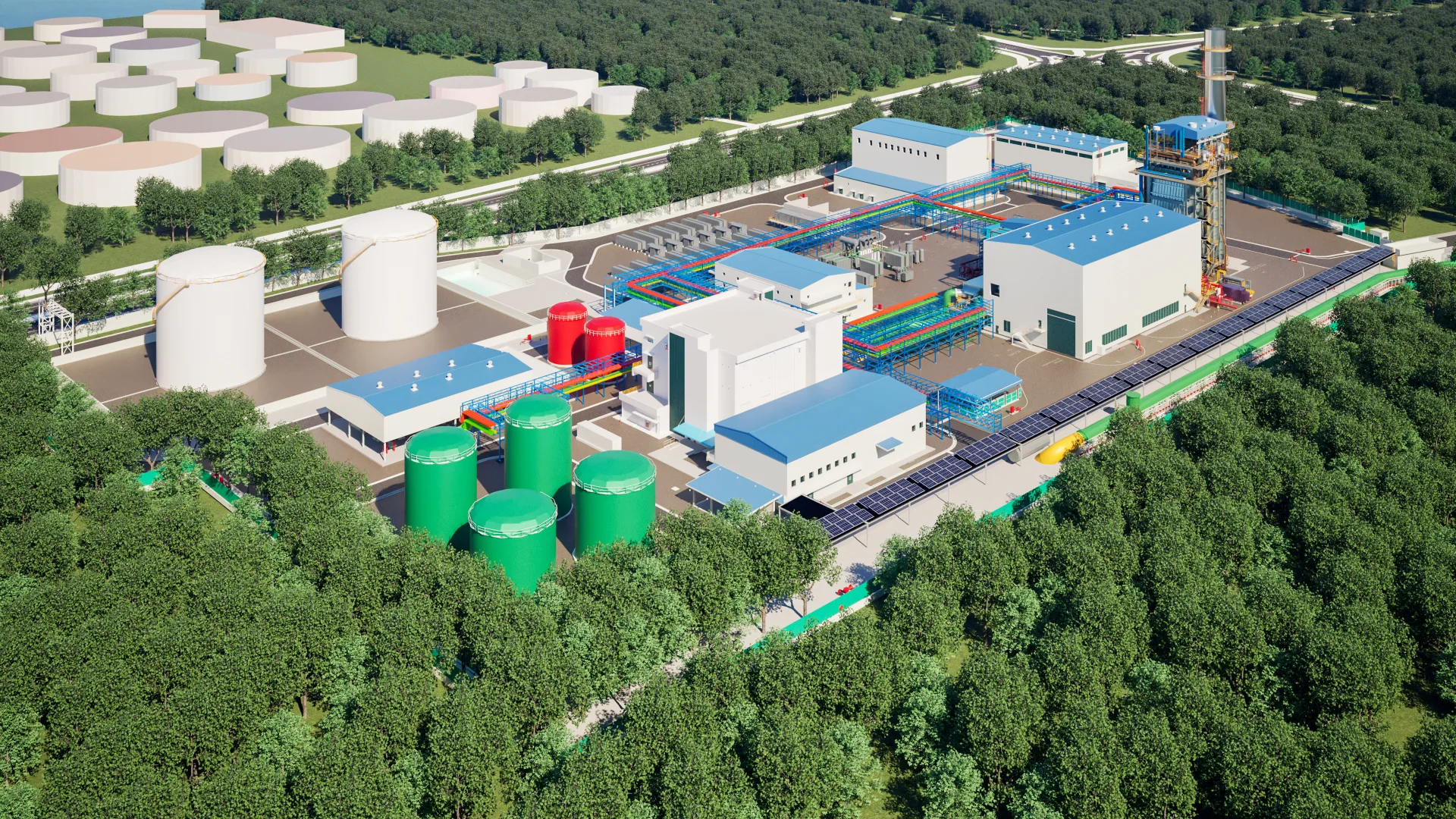
Hydrogen-ready CCGT with on-site BESS in Singapore
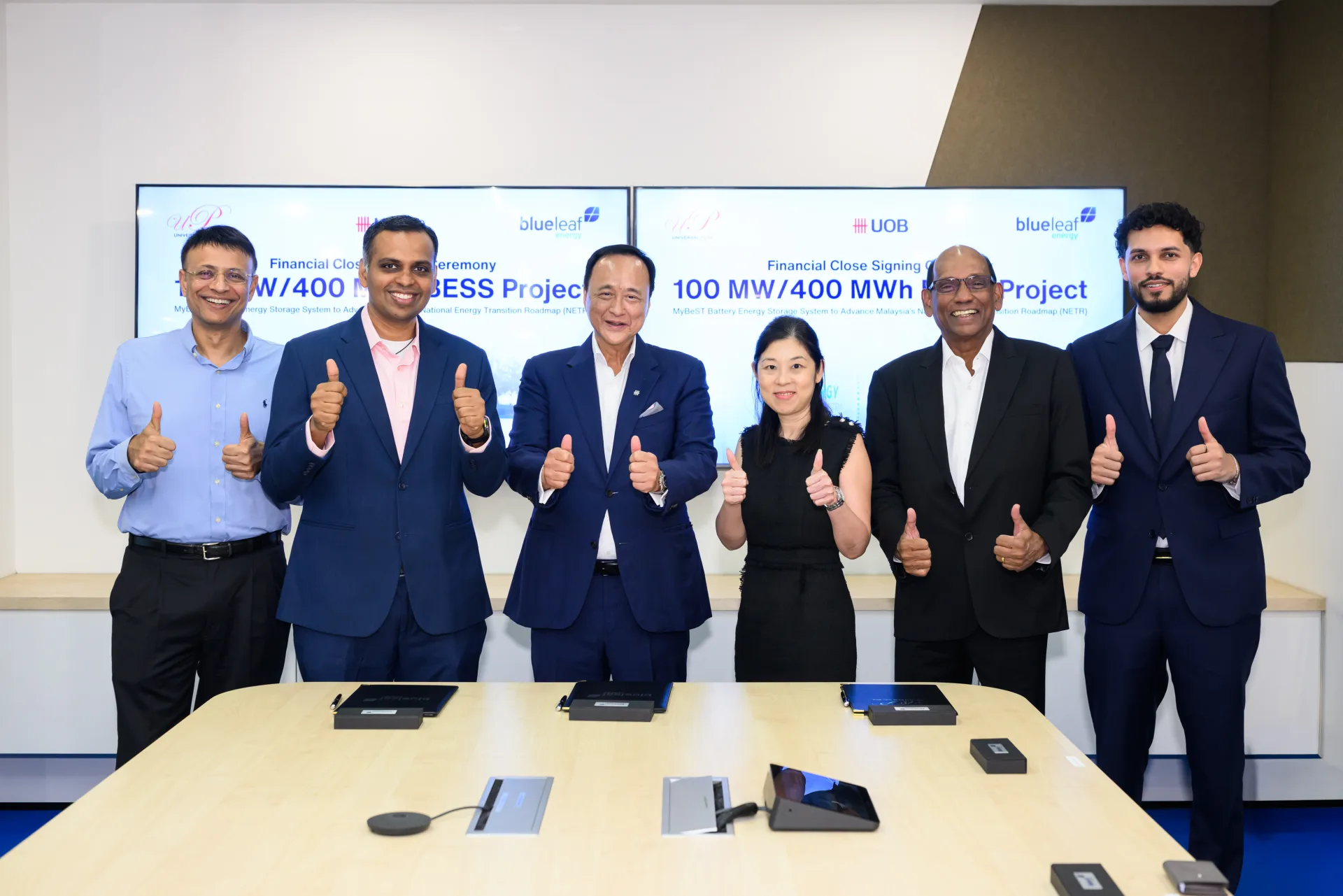
Signing of Memorandum of Understanding between UOB and Blueleaf Energy
Strengthening Thailand's Sustainable Aviation Fuel Supply Chain
UOB acted as sole lender for a THB6.5 billion transition finance facility to support Bangchak Corporation Public Company Limited’s development of Thailand’s first sustainable aviation fuel (SAF) production plant, marking the company’s maiden transition financing facility.
The plant will produce SAF using circular feedstocks such as used cooking oil, supporting resource efficiency and the development of Thailand’s domestic SAF value chain. By expanding local production capacity, the project will contribute to Thailand’s efforts to accelerate SAF adoption, reduce reliance on imported sustainable fuels and decarbonise the aviation sector.
Beyond financing the plant’s development, the transaction incorporates an innovative carbon credit rebate mechanism, through which UOB provides rebates to support the client’s purchase of carbon credits and broader decarbonisation efforts.
By combining transition financing with targeted decarbonisation incentives, the transaction demonstrates UOB’s commitment to supporting clients on their transition journeys while contributing to the growth of Thailand’s sustainable aviation ecosystem and broader low-carbon economy.
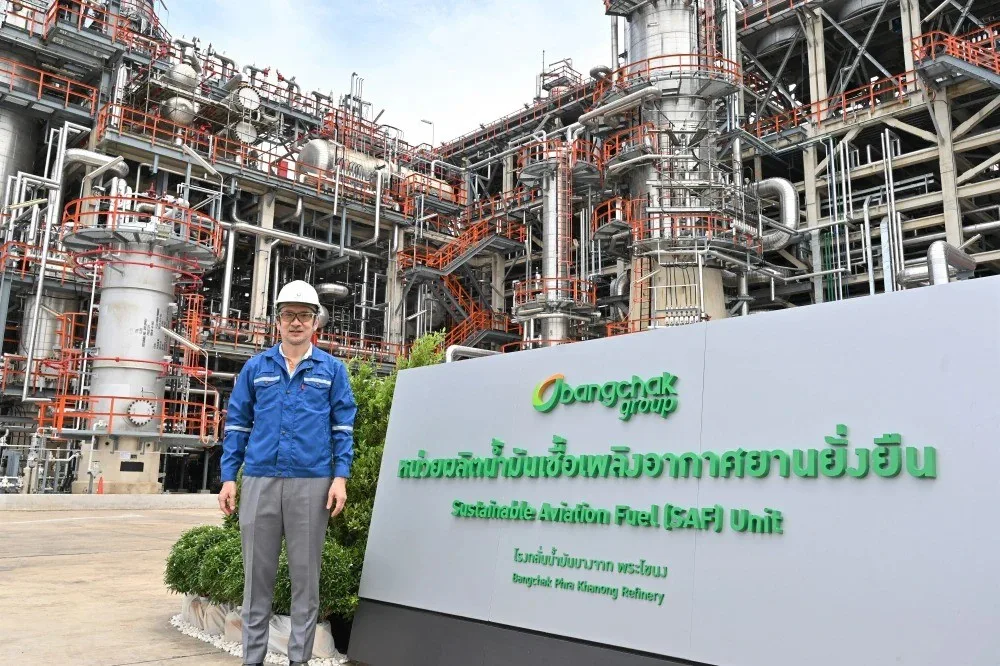
Bangchak Corporation Public Company Limited’s SAF production plant
Strengthening Water Security in Malaysia
UOB acted as the Joint Principal Adviser, Joint Lead Arranger and Joint Lead Manager for Perbadanan Bekalan Air Pulau Pinang Sdn Bhd’s (PBAPP) inaugural MYR300 million Sustainability Sukuk Wakalah, established under its MYR5 billion Sukuk Wakalah Programme and Sustainable Finance Framework. The proceeds will finance projects under Penang’s Water Contingency Plan 2030, including new water treatment plants, pipelines and dam upgrades, enhancing drought resilience and reliable water access for more than 700,000 consumers.
Complementing the infrastructure financing, the UOB–Pengurusan Aset Air Berhad (PAAB) Vendor Financing Programme improves access to financing for suppliers and vendors across PAAB’s supply chain, helping them manage cash flow, rising costs and project delivery.
Together, the two programmes mobilise capital across both infrastructure development and the wider supply chain, supporting effective project delivery and the development of more sustainable, efficient and resilient water infrastructure.
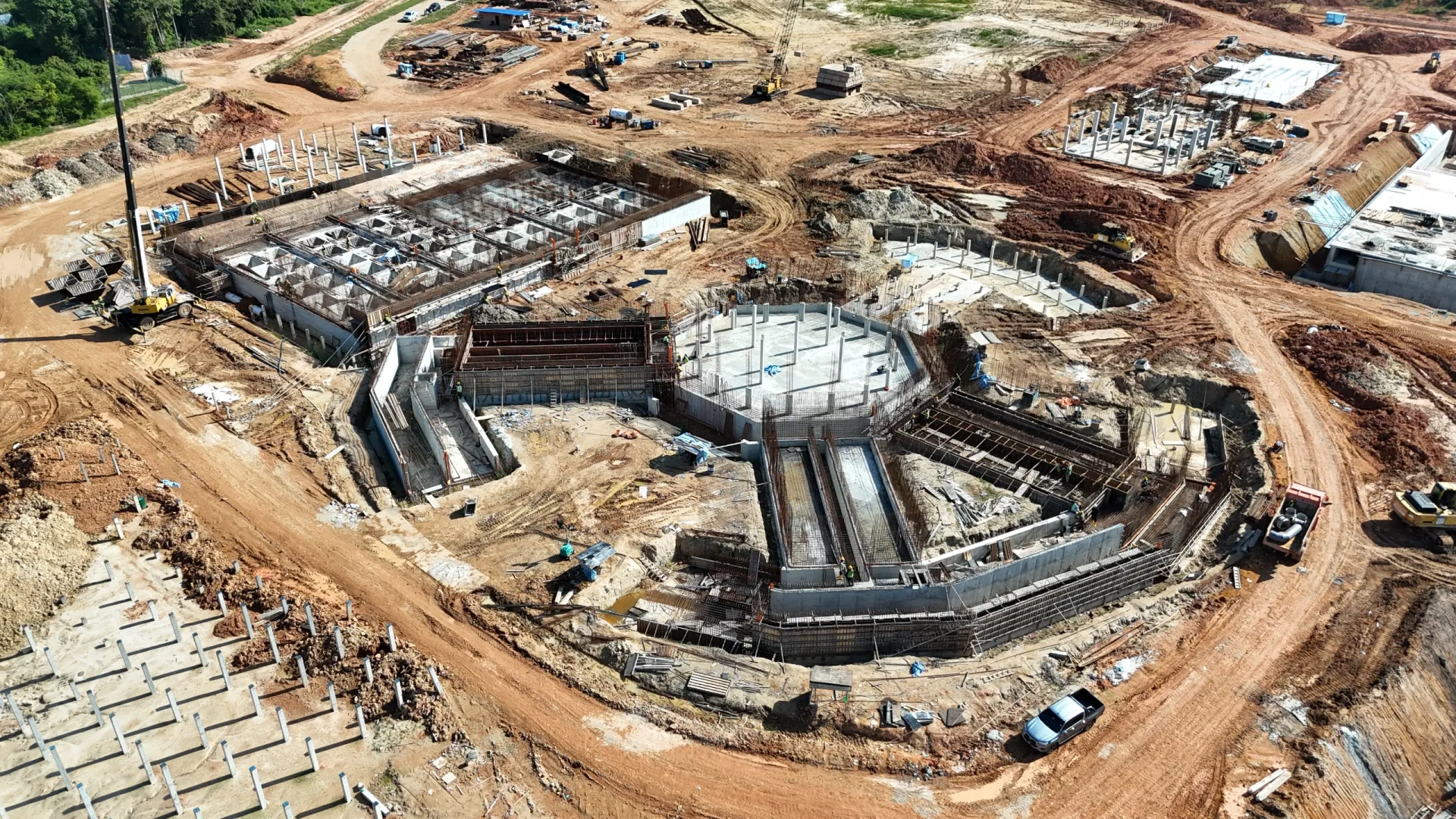
PBAPP’s water project under Penang’s Water Contingency Plan 2030